What’s a skill you consider basic, that most people don’t actually know how to do?
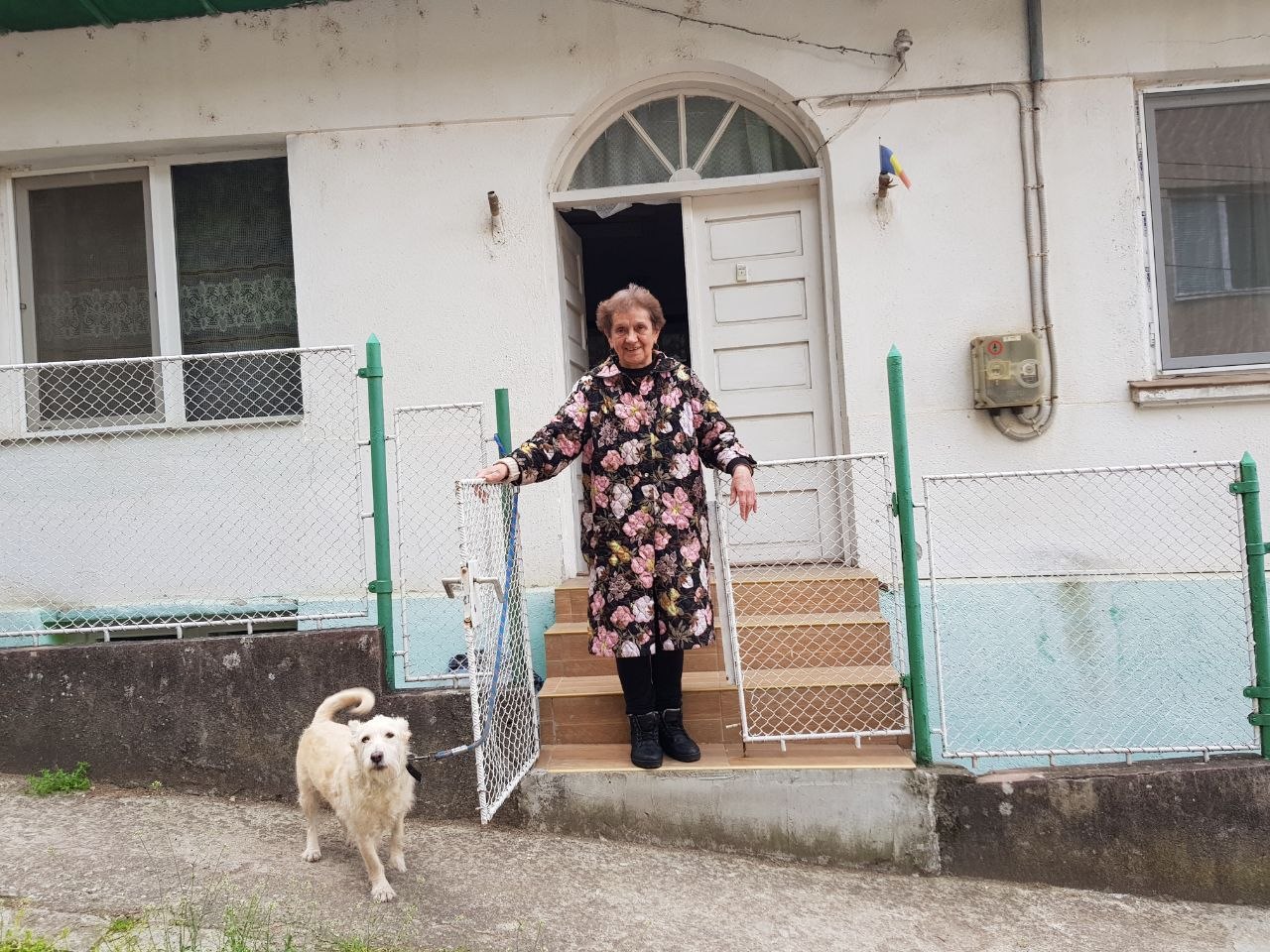
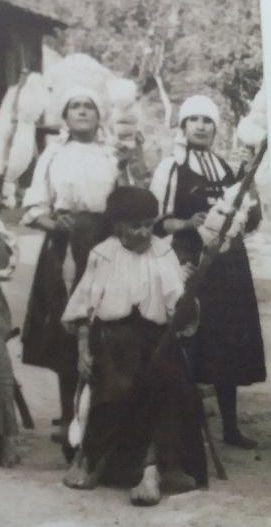
Although everyone has a tendency to recount stories from their own lives and even to gossip about events in the lives of others, not everyone focuses on the art of storytelling, even though it is relatively easy to take up and has the power to bring people together around the storyteller. Back when there was no Internet and televisions were expensive enough that they weren’t found in every room—especially not in government institutions—my grandmother was admitted to the city hospital for a few days to have her tonsils removed. Like any woman from the countryside, she had an extraordinary memory and recalled many life stories, which she recounted with delight to the other three patients in the hospital ward. When I came to visit her, I heard the other women begging her to tell them another story to help pass the time. They didn’t have a TV in the small ward, and their only way to pass the time was to read newspapers or novels—among which *Scarlett* held a special place. Still, the elderly women preferred my grandmother, who told stories with a talent comparable to that of today’s podcasters. Nevertheless, she never made any money from the art of storytelling, but she did make many friends. I wonder what her life would have been like if she had become a professional storyteller or writer, and her audience had been larger than her lounge mates or the old ladies in a train compartment.
RO
Deși toată lumea are înclinația de a povesti întâmplări de viață și chiar de a bârfi evenimente din viețile altora, nu oricine se axează pe arta povestitului, cu toate că aceasta e relativ ușor de abordat și are darul de a-i uni pe oameni în jurul povestitorului. Pe vremea când nu exista Internet și televizoarele erau suficient de scumpe încât să nu se găsească chiar în orice încăpere, mai ales nu în instituțiile de stat, bunica mea a fost internată câteva zile în spitalul orășenesc pentru o extracție de amigdale. Ca orice femeie de la țară, avea o memorie extraordinară și ținea minte multe întâmplări de viață, pe care le povestea cu încântare celorlalte trei paciente din salonul spitalicesc. Venit în vizită la ea, le-am auzit pe colegele ei de suferință rugând-o să le mai povestească ceva ca să le treacă plictiseala. Nu aveau televizor în micul salon și singura lor metodă de a-și petrece timpul era cititul ziarelor sau a unor romane dintre care Scarlett era la loc de cinste. Totuși, bătrânele o preferau pe bunică-mea, care povestea cu un talent comparabil cu cel al realizatorilor de podcasturi din zilele noastre. Cu toate acestea, ea n-a câștigat niciodată bani din arta povestirii, dar și-a făcut multe prietene. Mă întreb ce-ar fi fost viața ei dacă ar fi ajuns povestitor profesionist sau scriitoare, iar publicul ei ar fi fost mai numeros decât colegele de salon sau babele dintr-un compartiment de tren.
Who is the fictional character you relate to the most?
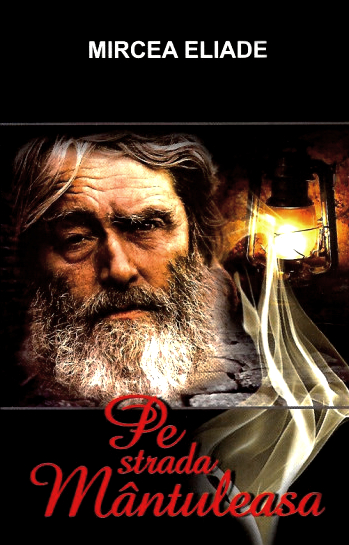
Zaharia Fărâmă is a former principal of a school on Mântuleasa Street in Bucharest, the capital of the Kingdom of Romania. After World War II, the establishment of the Soviet-style communist regime in Romania, and the abolition of the monarchy, the former teacher, now in his old age, climbs the stairs of an imposing building and knocks on the door of the apartment of a certain major in the Ministry of the Interior, whom he remembers as one of his former students. He wants to see how the man is doing and whether he still remembers the exploits of his childhood.
In a hysterical and suspicious era such as the early days of the communist dictatorship, when citizens were divided into supporters of the illegitimate new regime and “enemies of the people” (that is, dissidents of the regime), with only these two extremes and no middle ground, a natural, politically unaligned man like the teacher Fărâmă is viewed with suspicion: what is he up to? How did he find out the major’s address? Does he perhaps know other things besides the school this regime official attended—a man who swears he has only a fourth-grade education?
The visit ends badly—the teacher ends up in the dungeons of the political police, where he is forced to write statements. Since he takes such pleasure in writing at length and bringing up all sorts of characters and events from the past, his detention and interrogations drag on indefinitely.
Beyond the era and context that make Zaharia Fărâmă a misfit who takes refuge in the past, I identify with his passion for writing extensively and about anything and everything, but also with his inclination to forge deeply human connections in a world of robotic people who shy away from overly intimate relationships or even friendship.
The former teacher’s last name, Fărâmă, can mean a small piece of bread or a tiny fragment of something much larger. His first name, Zaharia, comes from „sugar” and may suggest a sweet, gentle, calm, and good-natured personality: a man who is a comfort to others. The former school principal’s memory was fragmentary and tied to personal anecdotes rather than historical events. This makes him a good and prolific storyteller, but, on the other hand, a man who never follows through on any narrative thread. It’s no wonder that the short story “On Mântuleasa Street” by Mircea Eliade begins with Zaharia Fărâmă climbing some stairs to his former student’s apartment and ends with him sitting on a bench under a tree, waiting to meet the very same man who refuses to remember his existence. A fragment of city life, like a scrap of oral history from the capital of a country situated at the crossroads of great empires and of great shifts in regime or paradigm.
I identify with Zaharia Fărâmă not only because of his extraordinary narrative ability, but also because he manages to remain a down-to-earth person in the midst of a world so transformed, teetering on the brink of collective madness. He is a man above the times, his only “politics” being decency. A quality that stands out starkly to those who have chosen to sell their souls in order to climb the social ladder, but not the ladder of humanity. I believe a world with more people like him would be a better one.
RO
Zaharia Fărâmă este un fost director al unei școli de pe strada Mântuleasa din București, capitala Regatului României. După Al Doilea Război Mondial, instaurarea regimului comunist de proveniență sovietică în România și abolirea monarhiei, fostul dascăl, ajuns la bătrânețe, urcă scările unui imobil impozant și bate la ușa apartamentului unui anumit maior din cadrul Ministerului de Interne, pe care și-l amintește ca pe un fost elev de-ai săi. Vrea să vadă ce mai face și dacă își mai aduce aminte isprăvile din vremea copilăriei.
Fiind într-o epocă isterică și suspicioasă ca cea de început a instaurării dictaturii comuniste, când cetățenii se împărțeau în susținători ai noului regim ilegitim și „dușmani ai poporului” (adică dizidenți ai regimului), neexistând decât cei doi poli și nici o cale de mijloc, un om firesc și neangajat politic precum dascălul Fărâmă e privit cu precauție: ce caută? De unde a aflat adresa tovarășului maior? Oare mai știe și alte lucruri în afară de școala la care a studiat acest om al regimului, care se jură că nu are decât 4 clase?
Vizita se termină prost – dascălul ajunge prin beciurile poliției politice unde este pus să scrie declarații. Cum are o plăcere de a scrie mult și de a aduce în discuție tot felul de personaje și întâmplări din trecut, detenția lui și anchetele se prelungesc pe termen nedefinit.
Dincolo de epoca și contextul care îl fac pe Zaharia Fărâmă un neadaptat care se refugiază în trecut, mă identific cu pasiunea lui de a scrie mult și despre orice, dar și cu înclinația lui de a crea conexiuni profund umane într-o lume a oamenilor robotizați, care se feresc de conexiuni prea intime sau chiar de prietenie.
Numele de familie al fostului dascăl, Fărâmă, poate însemna o mică bucată de pâine sau un mic fragment din ceva mult mai vast. Prenumele lui, Zaharia, vine de la „zahăr” și poate sugera o personalitate dulce, lină, molcomă, bonomă: un om de pus pe rană. Memoria fostului director de școală era fragmentară și legată de întâmplări mai degrabă personale decât de evenimentele istorice. Asta îl face un bun și prolific povestitor, dar, pe de altă parte, un om care nu duce până la capăt nici un fir narativ. Nu e de mirare că nuvela „Pe strada Mântuleasa” de Mircea Eliade începe cu Zaharia Fărâmă urcând niște scări către apartamentul fostului său elev și se termină cu el stând pe o bancă sub un copac, așteptând întâlnirea cu același om care nu vrea să-și aducă aminte de existența lui. Un fragment de viață citadină cât o fărâmă de istorie orală din capitala unei țări aflate la răscrucea marilor imperii și a schimbărilor de regim și de paradigmă.
Mă identific cu Zaharia Fărâmă nu doar pentru extraordinara lui capacitate narativă, ci și pentru că reușește să rămână un om firesc în mijlocul unei lumi atât de schimbate, la limita nebuniei colective. El este omul de deasupra timpurilor, singura lui politică fiind cumsecădenia. O calitate bătătoare la ochi pentru cei care au ales să-și vândă sufletul pentru a urca pe scara socială, dar nu și pe cea a omeniei. Cred că o lume cu mai mulți oameni ca el ar fi una mai bună.
Some things happen for a reason; others happen without a reason. Major events are either predestined or “helped” to happen (it depends on whether you believe in fate or in a guardian angel). Two people with similar potential but different backgrounds would—from a rational standpoint—have every reason never to meet; yet, it’s as if invisible threads pull them toward each other until they come together.
On the other hand, each person’s free will can choose paths that are entirely independent of what we might consider to be the intervention of the “hand of the Creator” in a world where we’d all be characters in a novel. We are not! We also possess a significant dose of irrationality, so not all our actions are thought out and carried out with a specific purpose.
It also depends on our perspective on life: traditional or (post)modern. For example, in Romanian tradition, rural people believed that “what you’re destined to live is written on your forehead” meaning you cannot escape the lines of your predestination. This belief was so deeply rooted in archaic Romanian thought that even fairy tales spoke of kings or princes who fulfilled a certain prophecy about themselves precisely through the very actions they took to try to avoid its fulfillment.
As for me, although I believe that the major encounters and events in a person’s life are governed or influenced from above, I also believe in free will and in the fact that not everything we do in our daily lives is predetermined by fate or a higher power.
What do you think? Let me know in the comments section—I’ll approve them all as soon as possible.
RO
Unele lucruri se întâmplă cu un scop, altele se întâmplă fără scop. Marile evenimente sunt sortite sau „ajutate” să se întâmple (depinde de voi în ce credeți, în destin sau în îngerul păzitor). Doi oameni cu potențial asemănător, dar cu origini diferite, ar avea – din punct de vedere rațional – toate șansele să nu se întâlnească niciodată; totuși, parcă niște fire nevăzute îi trag și îi apropie până când ajung împreună.
Pe de altă parte, liberul arbitru al fiecărei persoane poate opta pentru evoluții total independente de ceea ce am putea considera ca fiind intervenția „mâinii creatorului” într-o lume în care toți am fi personaje de roman. Nu suntem! Avem și o doză considerabilă de irațional, astfel încât nu toate faptele noastre sunt gândite și făcute cu un scop.
Depinde și ce perspective asupra vieții avem: tradiționale sau (post)moderne. De exemplu, în tradiția română, oamenii rurali credeau că „ce-ți este scris în frunte ți-e pus”, adică nu poți scăpa liniilor predestinării tale. Credința aceasta era atât de înrădăcinată în gândirea română arhaică, încât chiar basmele vorbeau despre regi sau prinți ce împlineau o anumită profeție despre ei tocmai prin ceea ce făceau încercând să evite împlinirea ei.
În ceea ce mă privește, deși cred că marile întâlniri și evenimente din viața unui om sunt guvernate sau influențate de undeva de sus, totuși cred și în liberul arbitru și în faptul că nu tot ceea ce facem în viața de zi cu zi este predeterminat de soartă sau divinitate.
Voi ce părere aveți? Dați-mi de știre în secțiunea de comentarii – le voi aproba pe toate în cel mai scurt timp posibil.
What’s a song lyric that has stuck with you forever?
„Yes, and how many times must the cannonballs fly Before they’re forever banned? (…) Yes, and how many ears must one man have Before he can hear people cry? Yes, and how many deaths will it take ‘til he knows That too many people have died?”
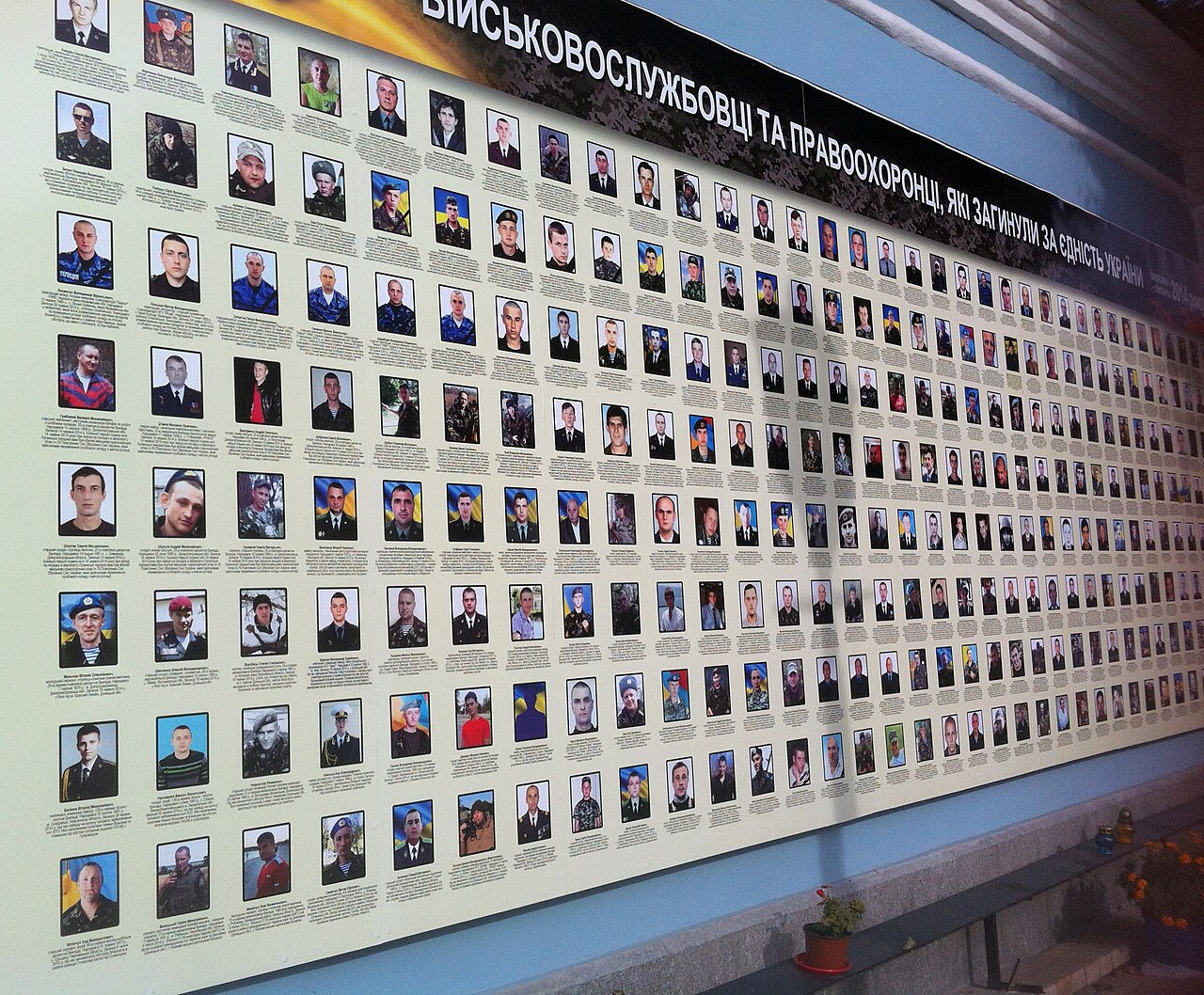
I have always been moved by the lyrics of this song, which denounce the horrors of World War II or the Vietnam War—in fact, of any war. Beyond ideological justifications, moral precepts, and the notion of justice invoked by one or both sides, the tangible result of war is the destruction of cities, countries, and the natural environment—and, last but not least, the loss of a considerable number of human lives. Although it was believed that in the 21st century there would be no more wars—at most, economic wars—or that the world would be governed by a super-intelligent artificial intelligence capable of peacefully managing humanity’s development, the war in Ukraine and those in the Middle East have convinced us that we have not evolved at all since the last world war, or that, although we have evolved, we have not learned the most important lesson—namely, that a “unfair” peace is preferable to a “just” war, if the price is—and will be—the loss of human lives and the pushing of civilization back toward barbarism.
Back when I first became acquainted with this Bob Dylan song, in the 1990s, there was peace in the world and the Cold War had just ended, along with the threat of the planet’s nuclear annihilation. The lyrics to “Blowing in the Wind” first reached my ears in Florian Pittiș‘s Romanian translation, on cassettes by the band Pasărea Colibri (the hummingbird). I loved them from the very first time I heard them and hummed them long before I discovered the original version.
Now, 35 years later, living in Romania—the Eastern European country closest to Ukraine and to the war currently raging on its territory between the two Slavic peoples—I can only look “over the fence” and realize just how right Bob Dylan was: destruction on both sides of the conflict, devastated cities, and hundreds of thousands of dead men, leaving behind widows and orphaned children. And yet, after four years of conflict and a situation that has grown increasingly unfavorable compared to the few moments when peace could have been negotiated, everyone is talking about nothing but more war. Can fire be extinguished with even more fire? Is that really what we want? “How many times must the cannonballs fly / Before they’re forever banned? (…) / Yes, and how many deaths will it take ‘til he knows That too many people have died?”
The answer is probably blowing in the wind…
RO
„Câte bombe vor mai sfârteca vieți întregi, Pân’ să le interzicem pe veci? (…)
Câți mai au de murit ca s-aflăm în sfârșit Că oameni prea mulți au murit?”
Dintotdeauna m-au impresionat versurile acestui cântec denunțând ororile celui de-Al Doilea Război Mondial sau ale Războiului din Vietnam – de fapt, ale oricărui război. Dincolo de rațiunile ideologice, preceptele morale și noțiunea de dreptate invocată de una dintre tabere sau de ambele, rezultatul palpabil al unui război e distrugerea orașelor, țărilor, mediului natural și, nu în ultimul rând, pierderea unui număr considerabil de vieți omenești. Deși se credea că în secolul al XXI-lea nu vor mai exista războaie, decât cel mult războaie economice, sau că lumea va fi condusă de o super-inteligență artificială capabilă să gestioneze pașnic dezvoltarea umanității, războiul din Ucraina și cele din Orientul Mijlociu ne-au convins că n-am evoluat mai deloc de la ultima conflagrație mondială încoace sau că, deși am evoluat, nu ne-am însușit lecția cea mai importantă, anume că o pace „strâmbă” e preferabilă unui război „drept”, dacă prețul este și va fi pierderea de vieți omenești și împingerea civilizației înapoi spre barbarie.
Pe vremea când am făcut cunoștință prima dată cu acest cântec al lui Bob Dylan, în anii 1990, era pace în lume și tocmai se terminase Războiul Rece, implicit amenințarea cu extincția nucleară a planetei. Versurile piesei „Blowing in the wind” au ajuns prima dată la urechile mele în traducerea românească a lui Florian Pittiș, pe casetele formației Pasărea Colibri. Le-am iubit de prima dată și le-am fredonat cu mult timp înainte de a afla varianta originală.
Acum, 35 de ani mai târziu, trăind în România, țara est-europeană cea mai apropiată de Ucraina și de războiul aflat în desfășurare pe teritoriul ei între cele două popoare slave, nu pot decât să mă uit „dincolo de gard” și să remarc cât de multă dreptate a avut Bob Dylan: distrugeri în ambele tabere beligerante, orașe devastate și sute de mii de bărbați morți, lăsând în urmă văduve și copii orfani. Cu toate astea, după 4 ani de conflict și o situație din ce în ce mai defavorabilă față de cele câteva momente în care s-ar fi putut negocia pacea, toată lumea nu vorbește decât despre și mai mult război. Oare focul poate fi stins cu și mai mult foc? Oare asta ne dorim cu adevărat? „Câte bombe vor mai sfârteca vieți întregi / Pân-să le interzicem pe veci? (…) / Câți mai au de murit / Ca s-aflăm în sfârșit / Că oameni prea mulți au murit?”
If you could rewrite any book’s ending, which one would you choose?
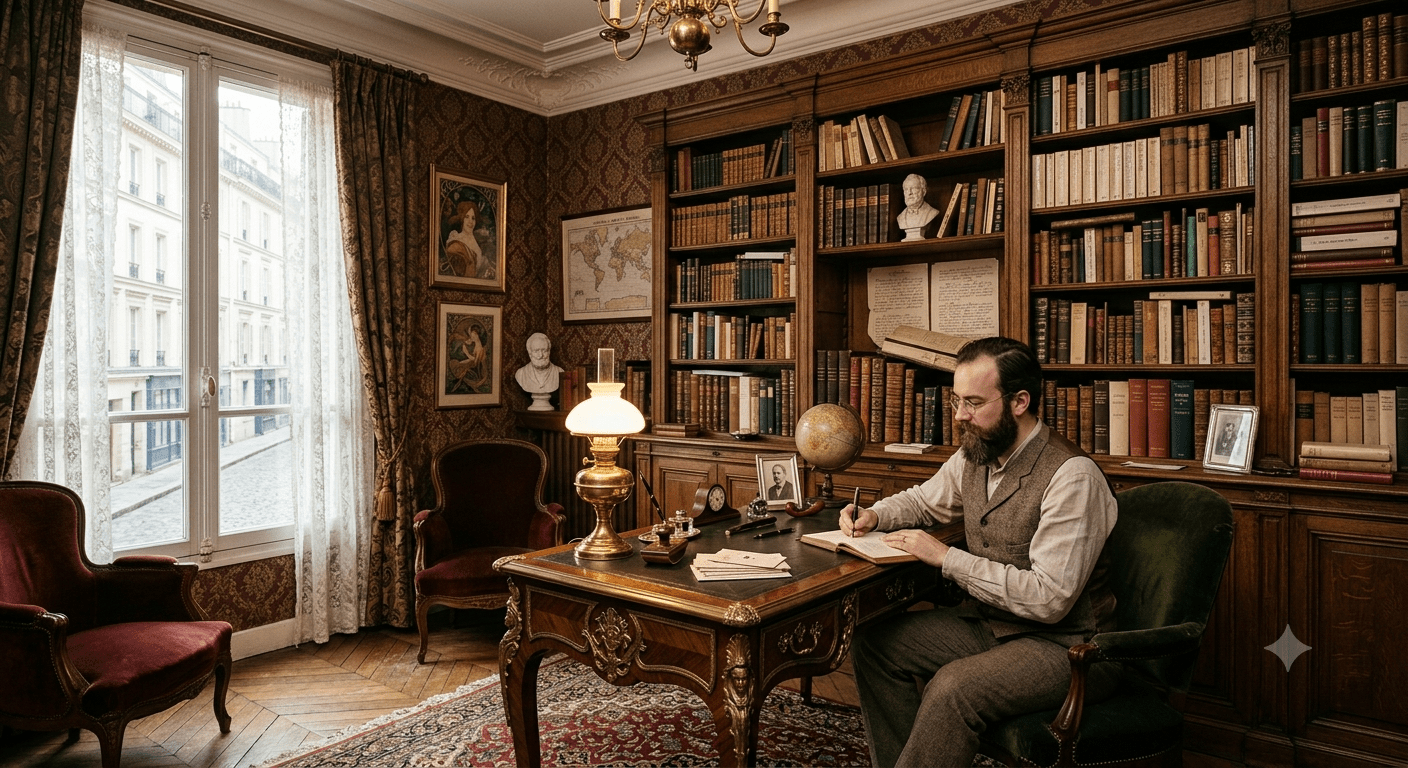
I read The Novel of the Nearsighted Teenager and Gaudeamus by Mircea Eliade when I was in high school. While in the novel, the author of A History of Religions chronicles his high school life in a diary, recounting incidents related to his school subjects, failing grades, his list of extracurricular reading, and his daily schedule (he read so much that he ended up sleeping only 4 hours out of every 24), in Gaudeamus—as far as I recall – Eliade describes his life as a college student in the Kingdom of Romania during the interwar period.
His intellectual life is interspersed with scenes from his social and romantic life. Although he loved Nișka, a student from Bessarabia (present-day Republic of Moldova, then an eastern province of Romania), the nearsighted young man breaks up with this exceptional girl because he wanted an austere life as an encyclopedic intellectual and believed that this path would be incompatible with family life.
At the age of 16, when I read Gaudeamus, such an unhappy ending tore my heart apart. I took the Rotring mechanical pencil I used to do my math homework and, right on the very last page of the book, in the blank space after “THE END,” I rewrote the ending so that the protagonist would stay together with his girlfriend, Nișka.
I admit that I was a bit presumptuous in correcting the great Eliade, but at least I did justice to the female character in the second part of the novel about the nearsighted young man’s youth.
RO
Am citit „Romanul adolescentului miop” și „Gaudeamus” de Mircea Eliade pe când eram licean. Dacă, în roman, autorul „Tratatului de Istorie a Religiilor” își notează jurnalul vieții lui de licean, cu întâmplări legate de materiile de studiu, corigențe, lista de lecturi extrașcolare și programul lui zilnic (citea atât de mult încât ajunsese să doarmă doar 4 ore din 24), în „Gaudeamus” – pe cât îmi amintesc – Eliade își descrie viața de student la o facultate din Regatul României din perioada interbelică.
Viața lui intelectuală e presărată cu scene ale vieții sociale și amoroase. Cu toate că o iubea pe Nișka, o studentă venită din Basarabia (actuala Republică Moldova, pe atunci provincie estică a României), tânărul miop se desparte de această fată excepțională din cauză că el își dorea o viață austeră de intelectual enciclopedic și considera că acest parcurs ar fi incompatibil cu viața de familie.
La vârsta de 16 ani, când am citit Gaudeamus, un astfel de „unhappy end” mi-a sfâșiat inima. Am luat creionul mecanic Rotring cu care îmi făceam temele la matematică și, chiar pe ultima pagină a cărții, în spațiul alb de după SFÂRȘIT, am rescris finalul astfel încât protagonistul să rămână împreună cu iubita lui, Nișka.
Recunosc că am comis o aroganță corectându-l pe marele Eliade, dar cel puțin i-am făcut dreptate personajului feminin din a doua parte a romanului tinereții miopului.
Everyone knows the story of the goldfish that washed ashore: if you threw it back into the water, it would grant you three wishes. I’ve always wondered why only three, and I’ve tried in vain to come up with a personal ranking that lists my wishes in descending order of importance. After spending my entire childhood walking along the riverbank and waiting for the moment I’d meet the enchanted fish, one morning I had a revelation: assuming I did meet it, I’d ask for just one thing—that it grant me an unlimited number of wishes.
Returning from the world of fairy tales to the real world, my “wish-granting factory” would be a cultural association. I have so many projects in mind that this association would serve as the umbrella organization to ensure the growth and realization of these ideas. Of course, since I actually don’t have an unlimited number of wishes in mind, over time I could use the association to help bring other talented people’s projects to life.
In this way, I would become a down-to-earth version of the goldfish myself. Voilà! Now I’m off to conquer the world.
RO
Toată lumea cunoaște povestea peștișorului de aur eșuat pe uscat: dacă îl aruncai înapoi în apă, îți îndeplinea 3 dorințe. Dintotdeauna m-am întrebat de ce numai 3 și am încercat zadarnic să fac un clasament personal care să listeze dorințele mele în ordinea descrescătoare a importanței. După ce mi-am cheltuit toată copilăria plimbându-mă pe malul râului și pândind momentul întâlnirii cu peștișorul fermecat, într-o dimineață am avut o revelație: presupunând că l-aș întâlni, i-aș cere un singur lucru – să îmi îndeplinească un număr nelimitat de dorințe.
Revenind din lumea basmelor în lumea reală, fabrica mea de împlinit dorințe ar fi o asociație culturală. Am atât de multe proiecte în minte încât această asociație ar reprezenta umbrela care să asigure creșterea și împlinirea acestor idei. Bine înțeles, cum în realitate nu am un număr nelimitat de dorințe în minte, cu timpul aș putea folosi asociația pentru împlinirea proiectelor altor oameni talentați.
Astfel, m-aș transforma eu însumi într-o variantă prozaică a peștișorului de aur. Iac-așa! Acum mă duc să cuceresc lumea.
What’s a promise you made to yourself that you’ve actually kept?
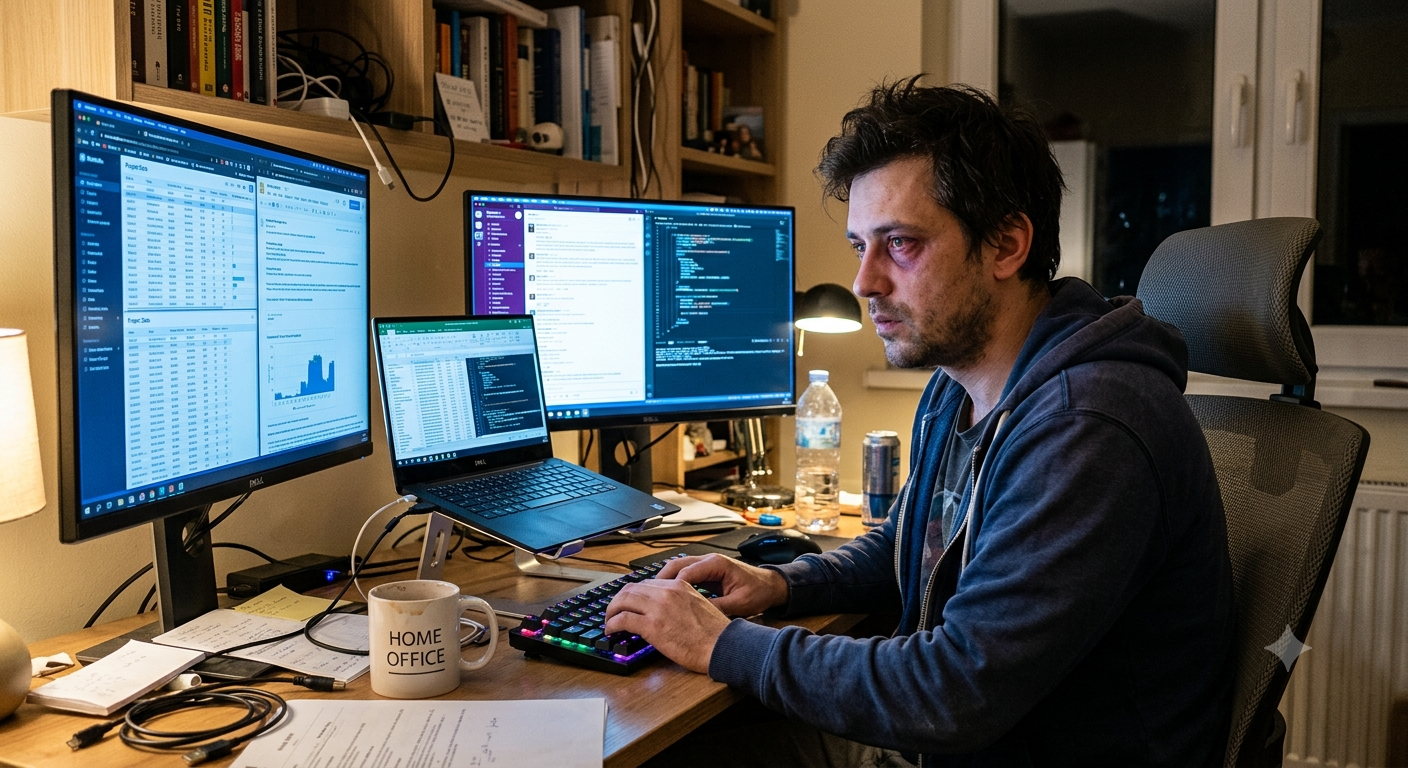
After about four years of working from home—during which I spent about 12 hours a day staring at screens, six days a week—I decided that my next job would be computer-free. During that time, I doubled my body weight and ended up with dark circles under my eyes as wide as glasses frames. It was nothing short of a miracle that I didn’t develop nearsightedness and actually need glasses. I’ve come to place the utmost importance on eye health and mental clarity. Ever since then, no matter how many jobs I’ve had, I’ve preferred fieldwork or on-site work to office work, which isn’t as comfortable as it seems. You, too, should prioritize your health, because you have only one body, and once illness takes hold of it, not all the money and comfort in the world will be able to restore what you’ve lost!
RO
După vreo 4 ani de lucru în regim de home office, în care am petrecut cu ochii în ecrane cam 12 ore pe zi timp de 6 zile pe săptămână, am hotărât că viitoarea mea slujbă va fi independentă de calculator. În acea perioadă mi-am dublat greutatea corporală și am ajuns să am cearcăne cât rama ochelarilor. Doar un miracol a făcut să nu dau în miopie și să am nevoie reală de ochelari. Am ajuns să acord o importanță capitală sănătății ochilor și clarității mintale. De atunci încoace, oricâte joburi am mai avut, am preferat munca de teren sau de la fața locului muncii de birou, care nu e mai comodă decât în aparență. Privilegiați-vă și voi sănătatea, că nu aveți decât un singur corp și, odată ce boala pune stăpânire pe el, nici toți banii și tot confortul din lume nu vor putea să vă redea ceea ce ați pierdut!
If you could have dinner with any fictional character, who would it be?
I’d love to have dinner with Holly Golightly, the female lead in the movie „Breakfast at Tiffany’s,” at the current Blue Box Café, which didn’t exist when the movie was filmed. That way, we could have our own „Dinner at Tiffany’s” moment.
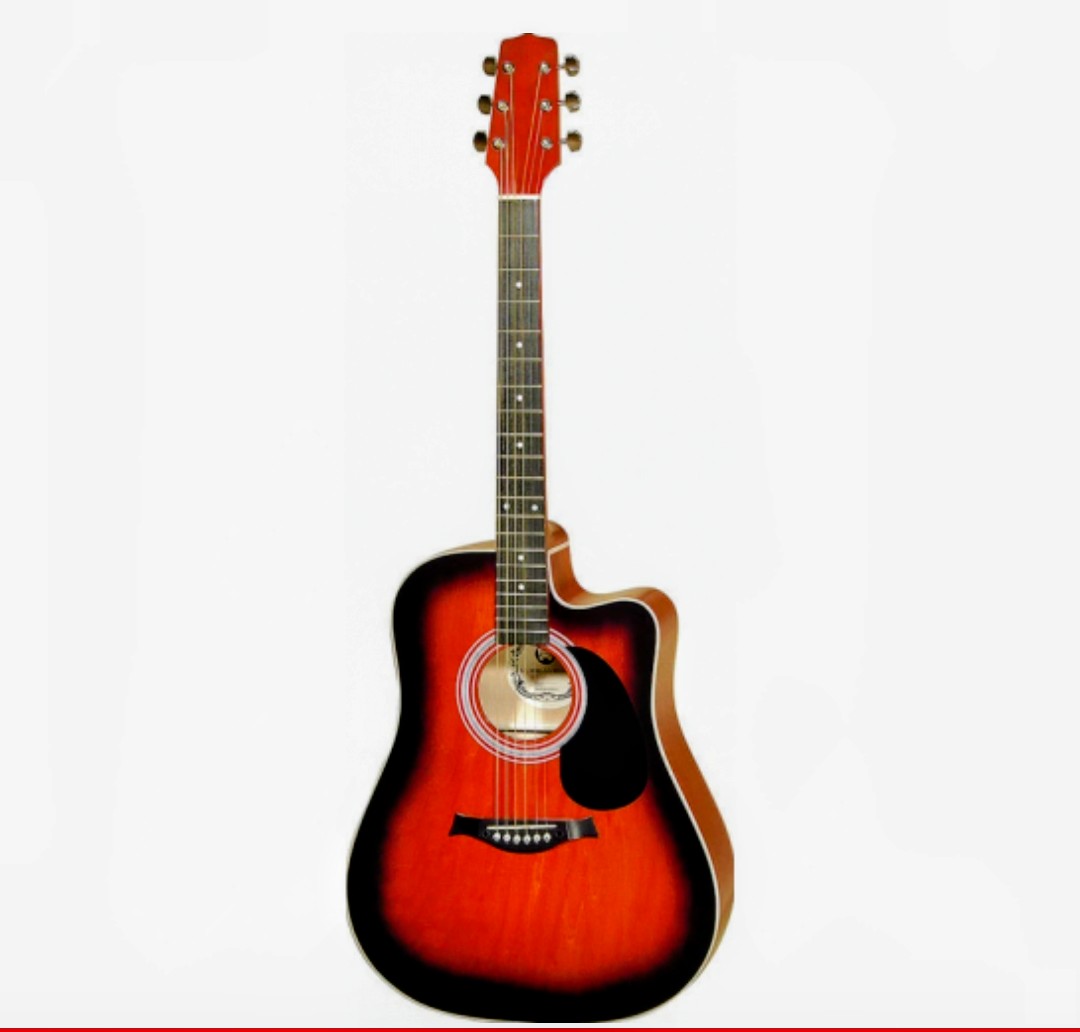
The best purchase I’ve ever made is the red acoustic guitar made of maple wood by the “Hora” factory in the city of Reghin, Transylvania. Unlike smartphones and other electronics, a wooden guitar is an instrument that never ages—except in step with you—as long as you keep playing it. The Hora Musician guitar has been my companion in moments of solitude, has traveled with me on vacations, has opened many doors for me, and has brought me many friends—including my wife, whom I made fall in love with me by playing the guitar. As long as cash exists, the guitar will be able to earn me train tickets, meals at restaurants, and spending money. But most importantly, the guitar has helped me get to know myself on the inside—to know what I like and don’t like to play, to explore my vocal and instrumental abilities, and to pour my heart into the message I convey: because anyone who doesn’t sing with passion isn’t really singing at all—they’re just going through the motions. I once saw a movie about a haunted guitar that carried the spirit of its former owner; although it seemed scary at the time, I’m convinced that a guitarist’s relationship with his first guitar can create such a fusion that the same spirit inhabiting the human body also dwells within the wooden body of the instrument. Don’t you agree? I invite you to challenge my view in the comments section.
RO
Cea mai bună achiziție pe care am făcut-o vreodată este chitara acustică roșie făcută din lemn de paltin de fabrica „Hora” din orașul Reghin din Transilvania. Spre deosebire de smartfoane și alte electronice, chitara de lemn este un instrument ce nu îmbătrânește niciodată, decât în ritm cu tine, atâta vreme cât o folosești. Chitara Hora Musician mi-a fost tovarășă în clipe de singurătate, m-a însoțit la drum în vacanțe, mi-a deschis multe uși și mi-a adus mulți prieteni – inclusiv pe soția mea, pe care am făcut-o să se îndrăgostească de mine cântând la chitară. Atâta timp cât banii cash vor exista, chitara va putea câștiga bilete de tren, mese la restaurant și bani de buzunar. Dar, cel mai important lucru, chitara m-a făcut să mă cunosc pe mine însumi pe dinăuntru, să știu ce îmi place și ce nu-mi place să cânt, să îmi explorez calitățile vocale și instrumentale și să pun suflet în mesajul pe care îl transmit: pentru că cine nu cântă cu patimă de fapt nu cântă, ci doar mimează. Am văzut cândva într-un film o poveste despre o chitară bântuită, care căra după sine spiritul fostului ei stăpân; cu toate că mi s-a părut pe moment ceva înfricoșător, sunt convins că relația unui chitarist cu prima sa chitară poate crea o astfel de contopire încât același spirit din trupul omenesc să locuiască și în trupul de lemn. Nu credeți? Vă invit să mă contraziceți în secțiunea de comentarii.