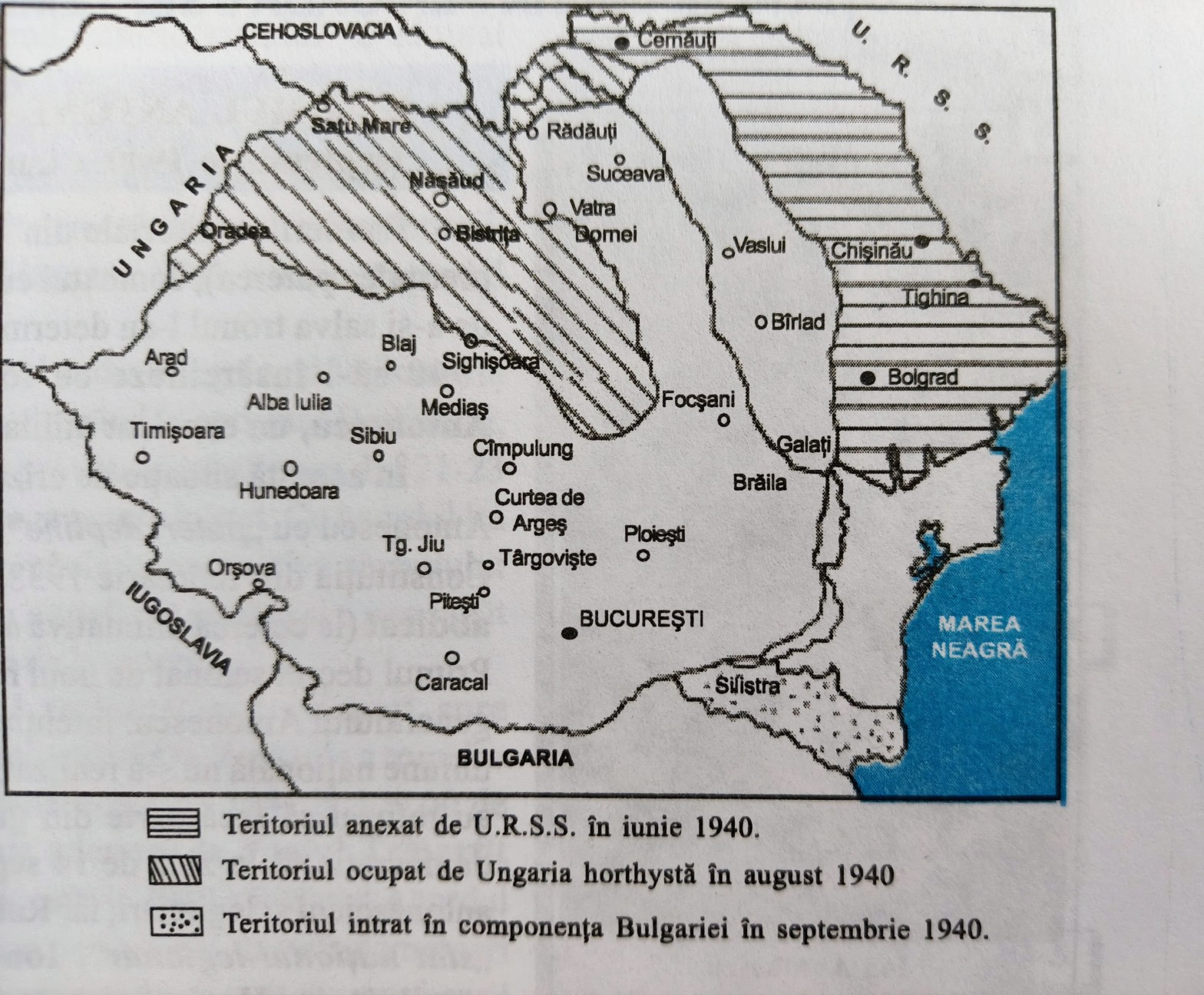
The Tragic Year of 1940 and the Territorial Disintegration of Romania: The Annexation of Bessarabia and Northern Bukovina by the USSR

If you could erase one event from history, what would it be?

I would like to erase the tragic year of 1940 from history, particularly the Soviet Union’s annexation of the eastern and northern counties of the Kingdom of Romania, known as Bessarabia and Bukovina—of which only Bessarabia had been part of the Russian Empire prior to 1918.

Apart Bessarabia, in 1940 the Soviets also demanded the northern half of Bukovina as “compensation” for the two decades of “Romanian occupation” of Bessarabia, ignoring the fact that it was the Russians who had first occupied Bessarabia in 1812, tearing it away from the territory of the Romanian Principality of Moldavia.

Following the ultimatums issued to Romania on June 26 and 28 by the USSR, the Red Army invaded the Romanian province of Bessarabia and half of the Romanian province of Bukovina, including the city of Chernivtsi, where provincial representatives had voted in 1918 to unify Bukovina „for eternity”  with the Kingdom of Romania. As a result of the Soviet aggression, Romania lost 50,500 square kilometers of territory in its eastern and northern regions, along with a population of 3.7 million, the majority of whom were ethnic Romanians. These territorial annexations were unfounded because they did not correspond to the historical and demographic realities that had previously existed, did not reflect the will of the population, and lacked the consent of the Romanian government, which had not concluded any agreement with Moscow regarding the cession or demarcation of the occupied territories.

The two ultimatums issued by the USSR to Romania were coercive and dictatorial in nature, as Moscow refused to engage in any negotiations with the Romanian side and even violated its own terms by ordering the Red Army to enter Bessarabia two days before the deadline for the withdrawal of the Romanian administration and army had expired, which led to violence and the loss of human lives, among both military personnel and civilians.

The USSR annexed both northern Bukovina and northern Bessarabia, as well as southern Bessarabia, to the Ukrainian Soviet Socialist Republic, and on the rest of Bessarabia’s territory, it established the Moldavian Soviet Socialist Republic, to which it also annexed a small strip of territory beyond the Dniester River, called Transnistria, which had not previously been part of the Kingdom of Romania, although it had a significant Romanian population.

Thus, in 1940, the USSR established a fictitious republic on the internationally recognized territory of Romania, just as the Russian Federation established fictitious republics on the internationally recognized territory of Ukraine in 2022. In both cases, these maneuvers were possible during wartime, with Moscow exploiting temporary military and numerical superiority to impose territorial changes at the expense of neighboring countries. Because it was not stopped in the 1940s, it is tempted to repeat history in the 2020s.

RO

Mi-aș dori să șterg din istorie tragicul an 1940, în special anexarea de către URSS a județelor estice și nordice ale Regatului României, cunoscute sub numele de Basarabia și Bucovina – dintre care numai Basarabia se aflase anterior anului 1918 în componența Imperiului Rus.

Sovieticii au cerut în 1940 și jumătatea nordică a Bucovinei ca „despăgubire” pentru cele două decenii de „ocupație românească” a Basarabiei, ignorând că rușii au fost cei care ocupaseră primii Basarabia la 1812, rupând-o din teritoriul principatului românesc al Moldovei.

În urma ultimatumurilor adresate României la 26 și 28 iunie de către URSS, Armata Roșie a invadat provincia română Basarabia și jumătate din provincia română Bucovina, inclusiv orașul Cernăuți, în care reprezentanții provinciei votaseră la 1918 Unirea „pe vecie” a Bucovinei cu Regatul României. Ca urmare a agresiunii sovietice, România a pierdut din estul și nordul său un teritoriu de 50500 km pătrați și o populație de 3,7 locuitori, în majoritatea lor etnici români. Aceste anexări teritoriale erau neîntemeiate deoarece nu corespundeau realității istorice și demografice anterioare, nu reflectau voința populației și nu aveau consimțământul guvernului român, care nu a încheiat cu Moscova vreun act de cedare sau delimitare a teritoriilor ocupate.

Cele două ultimatumuri adresate de URSS României au avut un caracter de forță, de dictat, Moscova neacceptând nici o negociere cu partea română și încălcându-și chiar propriile condiții prin faptul că a ordonat armatei roșii să pătrundă în Basarabia cu două zile înainte de expirarea termenului acordat pentru retragerea administrației și armatei române, ceea ce a dus la violențe și pierderea unor vieți omenești, atât ale militarilor cât și de civililor.

URSS a alipit atât nordul Bucovinei și al Basarabiei, cât și sudul Basarabiei, Republicii Sovietice Socialiste Ucrainene, iar pe restul teritoriului Basarabiei a înființat Republica Sovietică Socialistă Moldovenească, căreia i-a alipit și o mică fâșie dintr-un teritoriu de dincolo de Nistru, numit Transnistria, care nu făcuse parte anterior din Regatul României, cu toate că avea o importantă populație română.

Astfel, URSS a construit în 1940 o republică fictivă pe teritoriul recunoscut internațional al României, la fel cum Federația Rusă a instituit în 2022 republici fictive pe teritoriul recunoscut internațional al Ucrainei. În ambele cazuri, aceste manevre au fost posibile în timp de război, Moscova folosindu-se de o temporară superioritate militară și numerică pentru a impune schimbări teritoriale în detrimentul țărilor vecine. Din cauză că nu a fost oprită în anii 40 ai secolului al XX-lea, este tentată să repete istoria și în anii 20 ai secolului al XXI-lea.
Bessarabia in your food, better than salt. Basarabia în bucate, mai gustoasă ca sarea

Which is the best restaurant in your city?

My favorite restaurant in Brașov is „Basarabia în bucate, (Basarabia in food)” located on the street leading out of Piața Sfatului (Council Square), next to the former „Cerbul carpatin” (The Carpathian Deer) restaurant. I discovered this place by chance one day when I was showing a friend from Bucharest around my hometown. I was surprised by how well-prepared, plentiful, affordable, and delicious the food was at this Moldovan-style restaurant. The pies also make up a special menu item, which can be eaten there or taken to go. “Basarabia în bucate” is a phrase modeled after the title of a fairy tale by Petre Ispirescu—a classic of Romanian literature—“Sarea în bucate.”(The Salt in food). Just as salt is indispensable in food and provides the final flavor, so too does Basarabia aim to preserve traditions that give dishes a unique flavor. What Romanians call “Bessarabia” is the eastern half of the historic Romanian region of Moldova, which was severed from the territory of the Kingdom of Romania by the USSR in 1940. It overlaps 75% with the territory of the current Republic of Moldova, while the southern and northern parts of historic Bessarabia were inherited by Ukraine from the USSR. Even though Romanians on either side of the Prut River are currently politically divided among three internationally recognized states, Romanian culture and tradition are a shared heritage that can be rediscovered in literature, music, art, and even in… dishes prepared according to ancestral recipes. The simple fact that the Moldovan citizens who run this restaurant chose a .ro domain for the website promoting their business shows that they identify as Romanians just like us, the people of Transylvania.

RO

Restaurantul meu preferat din Brașov este „Basarabia în bucate„, situat pe strada ce iese din Piața Sfatului pe lângă fostul restaurant „Cerbul carpatin”. Am descoperit acest local din întâmplare, într-o zi când o faceam pe ghidul prin orașul meu natal pentru o prietenă venită din București. Am rămas surprins de cât de bine, mult, ieftin și gustos puteai să mănânci la restaurantul cu specific moldovenesc. Plăcintele constituie și ele un meniu aparte, putând fi consumate pe loc sau luate la pachet. „Basarabia în bucate” e o sintagmă calchiată după titlul unui basm de Petre Ispirescu – un clasic al literaturii române -, „Sarea în bucate„. La fel cum sarea în mâncare este indispensabilă și dă gustul final, tot astfel și Basarabia se dorește o păstrătoare a tradițiilor care să dea un altfel de gust mâncărurilor. Ceea ce românii numesc „Basarabia” este jumătatea estică a regiunii istorice române Moldova, care a fost ruptă de URSS în 1940 din teritoriul Regatului României. Ea se suprapune 75% pe teritoriul actualei Republici Moldova, părțile sudice și nordice ale Basarabiei istorice fiind moștenite de Ucraina de la URSS. Chiar dacă românii de pe o parte și alta a râului Prut sunt actualmente despărțiți politic în 3 state recunoscute internațional, cultura și tradiția română sunt o moștenire comună ce se poate redescoperi atât în literatură, muzică, artă, cât și în… bucatele gătite după rețete din străbuni. Simplul fapt că cetățenii moldoveni care administrează acest restaurant au ales un domeniu .ro pentru site-ul care le promovează afacerea arată că ei se identifică drept români la fel ca noi, cei din Transilvania.

Between Crumbles and Sugar: Memories with Zaharia Fărâmă from Royal and Magical Bucharest

Who is the fictional character you relate to the most?

Zaharia Fărâmă is a former principal of a school on Mântuleasa Street in Bucharest, the capital of the Kingdom of Romania. After World War II, the establishment of the Soviet-style communist regime in Romania, and the abolition of the monarchy, the former teacher, now in his old age, climbs the stairs of an imposing building and knocks on the door of the apartment of a certain major in the Ministry of the Interior, whom he remembers as one of his former students. He wants to see how the man is doing and whether he still remembers the exploits of his childhood.

In a hysterical and suspicious era such as the early days of the communist dictatorship, when citizens were divided into supporters of the illegitimate new regime and “enemies of the people” (that is, dissidents of the regime), with only these two extremes and no middle ground, a natural, politically unaligned man like the teacher Fărâmă is viewed with suspicion: what is he up to? How did he find out the major’s address? Does he perhaps know other things besides the school this regime official attended—a man who swears he has only a fourth-grade education?

The visit ends badly—the teacher ends up in the dungeons of the political police, where he is forced to write statements. Since he takes such pleasure in writing at length and bringing up all sorts of characters and events from the past, his detention and interrogations drag on indefinitely.

Beyond the era and context that make Zaharia Fărâmă a misfit who takes refuge in the past, I identify with his passion for writing extensively and about anything and everything, but also with his inclination to forge deeply human connections in a world of robotic people who shy away from overly intimate relationships or even friendship.

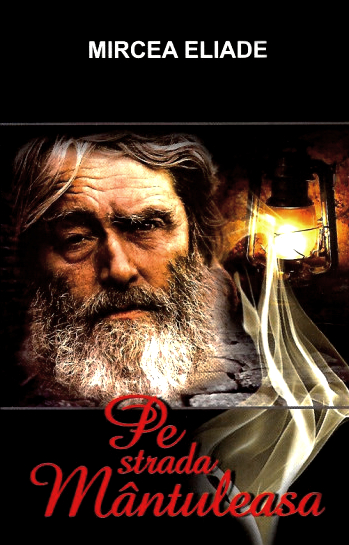
The former teacher’s last name, Fărâmă, can mean a small piece of bread or a tiny fragment of something much larger. His first name, Zaharia, comes from „sugar” and may suggest a sweet, gentle, calm, and good-natured personality: a man who is a comfort to others. The former school principal’s memory was fragmentary and tied to personal anecdotes rather than historical events. This makes him a good and prolific storyteller, but, on the other hand, a man who never follows through on any narrative thread. It’s no wonder that the short story “On Mântuleasa Street” by Mircea Eliade begins with Zaharia Fărâmă climbing some stairs to his former student’s apartment and ends with him sitting on a bench under a tree, waiting to meet the very same man who refuses to remember his existence. A fragment of city life, like a scrap of oral history from the capital of a country situated at the crossroads of great empires and of great shifts in regime or paradigm.

I identify with Zaharia Fărâmă not only because of his extraordinary narrative ability, but also because he manages to remain a down-to-earth person in the midst of a world so transformed, teetering on the brink of collective madness. He is a man above the times, his only “politics” being decency. A quality that stands out starkly to those who have chosen to sell their souls in order to climb the social ladder, but not the ladder of humanity. I believe a world with more people like him would be a better one.

RO

Zaharia Fărâmă este un fost director al unei școli de pe strada Mântuleasa din București, capitala Regatului României. După Al Doilea Război Mondial, instaurarea regimului comunist de proveniență sovietică în România și abolirea monarhiei, fostul dascăl, ajuns la bătrânețe, urcă scările unui imobil impozant și bate la ușa apartamentului unui anumit maior din cadrul Ministerului de Interne, pe care și-l amintește ca pe un fost elev de-ai săi. Vrea să vadă ce mai face și dacă își mai aduce aminte isprăvile din vremea copilăriei.

Fiind într-o epocă isterică și suspicioasă ca cea de început a instaurării dictaturii comuniste, când cetățenii se împărțeau în susținători ai noului regim ilegitim și „dușmani ai poporului” (adică dizidenți ai regimului), neexistând decât cei doi poli și nici o cale de mijloc, un om firesc și neangajat politic precum dascălul Fărâmă e privit cu precauție: ce caută? De unde a aflat adresa tovarășului maior? Oare mai știe și alte lucruri în afară de școala la care a studiat acest om al regimului, care se jură că nu are decât 4 clase?

Vizita se termină prost – dascălul ajunge prin beciurile poliției politice unde este pus să scrie declarații. Cum are o plăcere de a scrie mult și de a aduce în discuție tot felul de personaje și întâmplări din trecut, detenția lui și anchetele se prelungesc pe termen nedefinit.

Dincolo de epoca și contextul care îl fac pe Zaharia Fărâmă un neadaptat care se refugiază în trecut, mă identific cu pasiunea lui de a scrie mult și despre orice, dar și cu înclinația lui de a crea conexiuni profund umane într-o lume a oamenilor robotizați, care se feresc de conexiuni prea intime sau chiar de prietenie.

Numele de familie al fostului dascăl, Fărâmă, poate însemna o mică bucată de pâine sau un mic fragment din ceva mult mai vast. Prenumele lui, Zaharia, vine de la „zahăr” și poate sugera o personalitate dulce, lină, molcomă, bonomă: un om de pus pe rană. Memoria fostului director de școală era fragmentară și legată de întâmplări mai degrabă personale decât de evenimentele istorice. Asta îl face un bun și prolific povestitor, dar, pe de altă parte, un om care nu duce până la capăt nici un fir narativ. Nu e de mirare că nuvela „Pe strada Mântuleasa” de Mircea Eliade începe cu Zaharia Fărâmă urcând niște scări către apartamentul fostului său elev și se termină cu el stând pe o bancă sub un copac, așteptând întâlnirea cu același om care nu vrea să-și aducă aminte de existența lui. Un fragment de viață citadină cât o fărâmă de istorie orală din capitala unei țări aflate la răscrucea marilor imperii și a schimbărilor de regim și de paradigmă.

Mă identific cu Zaharia Fărâmă nu doar pentru extraordinara lui capacitate narativă, ci și pentru că reușește să rămână un om firesc în mijlocul unei lumi atât de schimbate, la limita nebuniei colective. El este omul de deasupra timpurilor, singura lui politică fiind cumsecădenia. O calitate bătătoare la ochi pentru cei care au ales să-și vândă sufletul pentru a urca pe scara socială, dar nu și pe cea a omeniei. Cred că o lume cu mai mulți oameni ca el ar fi una mai bună.