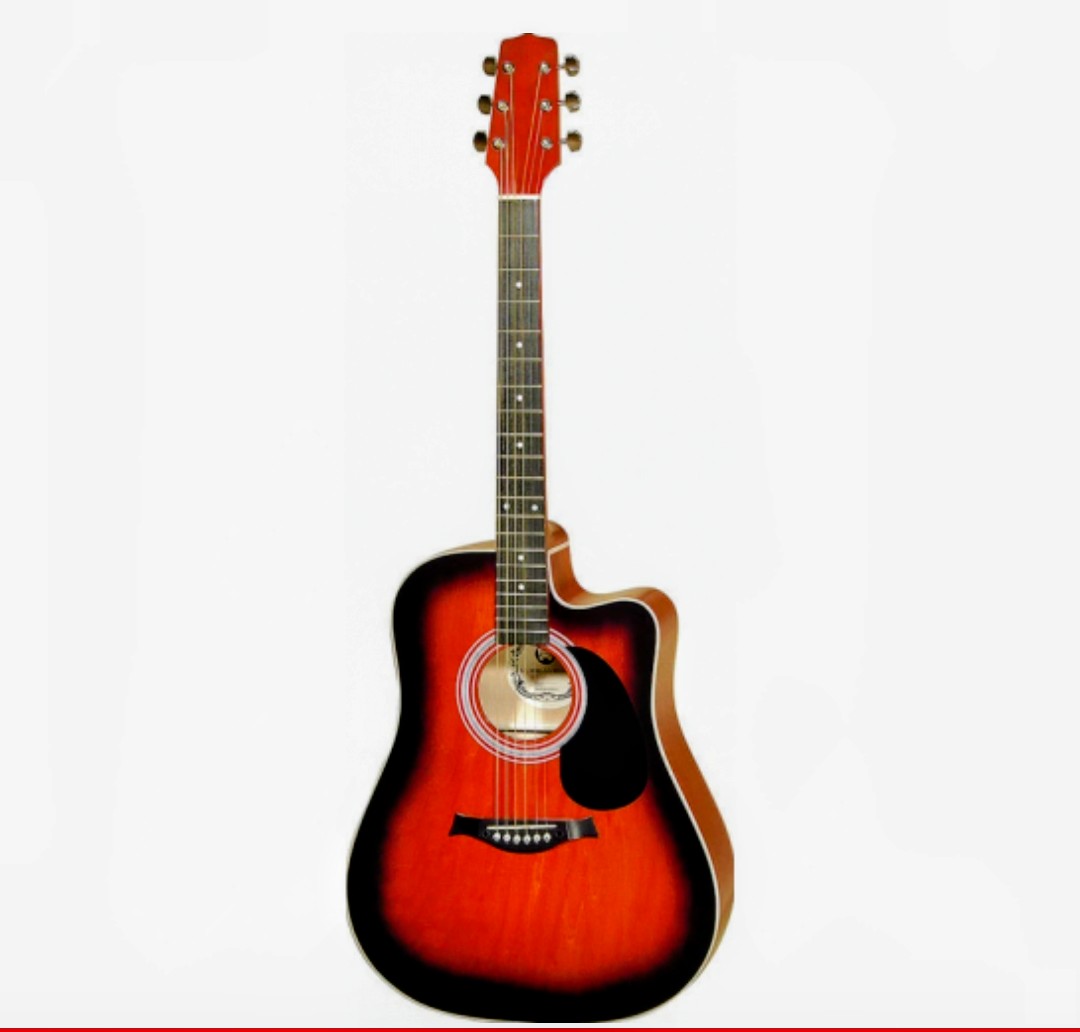
The best purchase I’ve ever made is the red acoustic guitar made of maple wood by the “Hora” factory in the city of Reghin, Transylvania. Unlike smartphones and other electronics, a wooden guitar is an instrument that never ages—except in step with you—as long as you keep playing it. The Hora Musician guitar has been my companion in moments of solitude, has traveled with me on vacations, has opened many doors for me, and has brought me many friends—including my wife, whom I made fall in love with me by playing the guitar. As long as cash exists, the guitar will be able to earn me train tickets, meals at restaurants, and spending money. But most importantly, the guitar has helped me get to know myself on the inside—to know what I like and don’t like to play, to explore my vocal and instrumental abilities, and to pour my heart into the message I convey: because anyone who doesn’t sing with passion isn’t really singing at all—they’re just going through the motions. I once saw a movie about a haunted guitar that carried the spirit of its former owner; although it seemed scary at the time, I’m convinced that a guitarist’s relationship with his first guitar can create such a fusion that the same spirit inhabiting the human body also dwells within the wooden body of the instrument. Don’t you agree? I invite you to challenge my view in the comments section.
RO
Cea mai bună achiziție pe care am făcut-o vreodată este chitara acustică roșie făcută din lemn de paltin de fabrica „Hora” din orașul Reghin din Transilvania. Spre deosebire de smartfoane și alte electronice, chitara de lemn este un instrument ce nu îmbătrânește niciodată, decât în ritm cu tine, atâta vreme cât o folosești. Chitara Hora Musician mi-a fost tovarășă în clipe de singurătate, m-a însoțit la drum în vacanțe, mi-a deschis multe uși și mi-a adus mulți prieteni – inclusiv pe soția mea, pe care am făcut-o să se îndrăgostească de mine cântând la chitară. Atâta timp cât banii cash vor exista, chitara va putea câștiga bilete de tren, mese la restaurant și bani de buzunar. Dar, cel mai important lucru, chitara m-a făcut să mă cunosc pe mine însumi pe dinăuntru, să știu ce îmi place și ce nu-mi place să cânt, să îmi explorez calitățile vocale și instrumentale și să pun suflet în mesajul pe care îl transmit: pentru că cine nu cântă cu patimă de fapt nu cântă, ci doar mimează. Am văzut cândva într-un film o poveste despre o chitară bântuită, care căra după sine spiritul fostului ei stăpân; cu toate că mi s-a părut pe moment ceva înfricoșător, sunt convins că relația unui chitarist cu prima sa chitară poate crea o astfel de contopire încât același spirit din trupul omenesc să locuiască și în trupul de lemn. Nu credeți? Vă invit să mă contraziceți în secțiunea de comentarii.
When is the last time you took a risk? How did it work out?
For the past four years, I have spent my summer vacations in a spa and health resort town in Transylvania. In the center of that town, a kind-hearted woman, a former physics teacher at the local high school, has transformed a house she inherited into a private museum of traditional folk costumes, collecting traditional Romanian garments worn by our grandmothers a hundred years ago, as well as handwoven rugs and the famous blouse roumaine. To entice tourists to cross the street and go up to the second floor of the house-museum, the owner encouraged various local musicians or those visiting from around the country to hold small folk music concerts on her porch. Gradually, the musical evenings gained traction, and the hostess began to think about organizing a festival with multiple artists in the courtyard of the house-museum.
Her only dilemma was where to find more musicians willing to help her, initially either for free or for very little money: only three such artists had passed through the museum’s porch over the years, content with just free lodging and the money they made from busking. But for a festival, she would have needed at least three more performers. She made the mistake of revealing her plan to a reporter from the county radio station, who was on the ground gathering miscellaneous facts to turn into news stories.
Last summer, a staff member at the local radio station who hosted a show called „Strada Folk” came across a news item on the station’s website about a potential first folk music festival in that spa town. It was, of course, a plan that the owner of the house-museum had conceived for the following year. Without contacting this woman or anyone else locally, the host of that program announced last early fall a folk festival with a different name and at a different location in the spa town, organized by him with funding from the county council.
I had just left the spa town about a month ago when I saw a post on Facebook from the host of the folk music radio show who had “borrowed” the museum owner’s idea to carry it out on his own. I called the collector of traditional costumes and asked her: What are you going to do? Are you going to let this unscrupulous man steal an idea you’ve been working on for the past four years? The woman was just as outraged as I was. After an hour-long phone conversation, we agreed to try to put together our own folk festival, one week before the one announced by the radio host.
We had to work out all the details in less than two weeks. And this, given that the museum courtyard—the space where we wanted to hold the festival—was shared with a neighboring building that was in a state of disrepair. On top of that, we didn’t even have the artists confirmed yet: one of our three regular performers had turned down the invitation, so we only had two musicians and needed at least four more in order to have six artists performing across two weekend evenings.
I reached out to all my contacts in the folk music scene who might be open to performing for less money. My call was answered by a musical family I was friends with in my hometown. This wonderful couple of artists brought along two other musicians from two different cities—one who was already well-established nationally and another who was on the rise. On the other hand, the other street musician who spent his summers at the resort museum came with his guitarist brother and another drummer, bringing along a different folk singer from yet another city. With me and my guitar included, we ended up with a lineup that was already in danger of being too packed for just two festival nights.
The last and most challenging problem was renovating the courtyard where the festival was to take place and finding lodging and meals for all the participants. Accommodation was partially sponsored by a former student of the physics teacher who was now the owner of a small private hotel in the resort; part of the accommodation cost and the full price of meals at the restaurant were paid by the association that maintained the museum, but which was facing serious financial difficulties. And the cleaning and refurbishment of the courtyard between the museum and the abandoned neighboring house was completed in record time by a few local volunteers, among whom the museum guard stood out in particular.
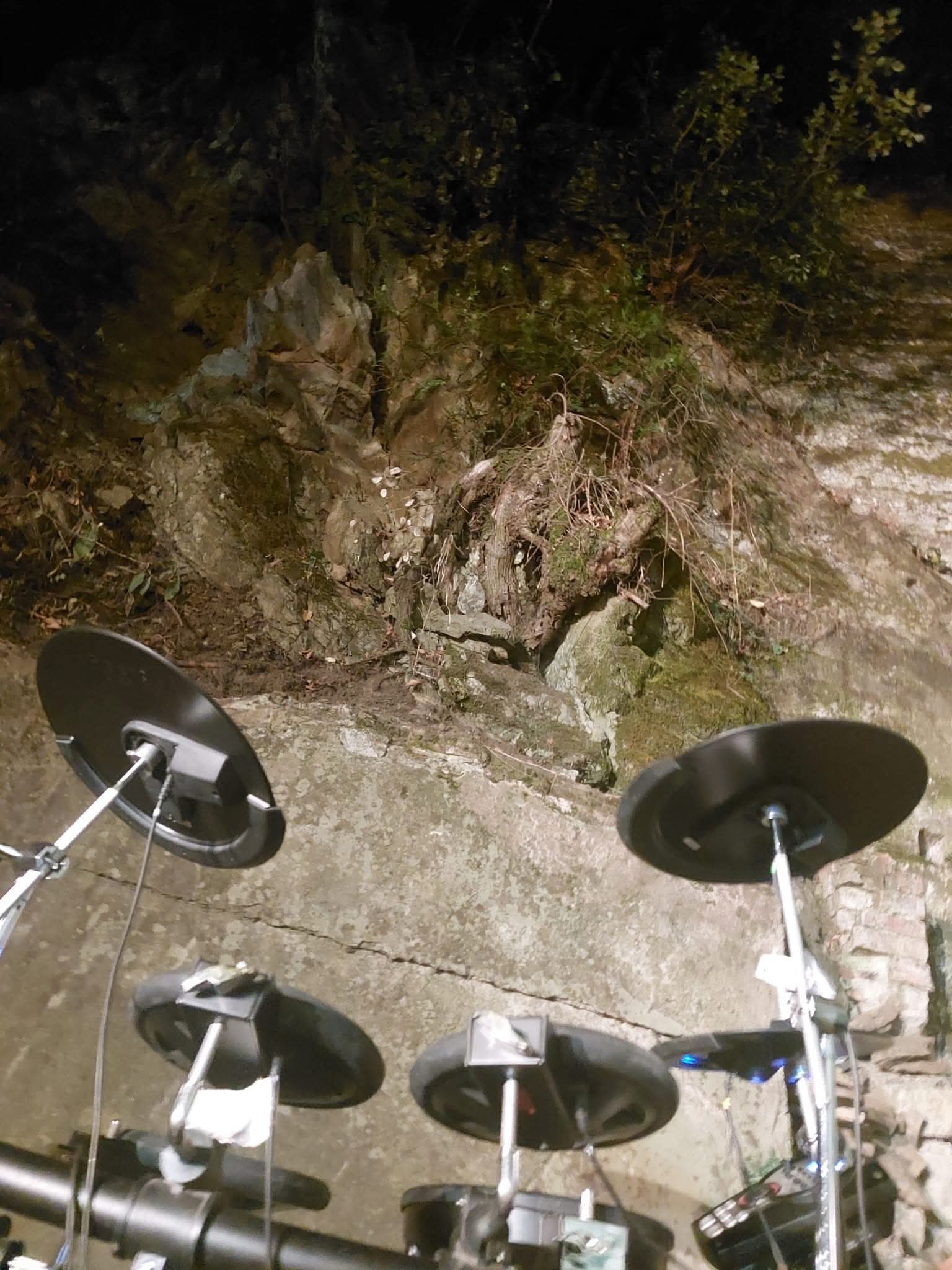
Apart from the challenge of organizing a festival just two weeks before it was set to begin, there were two other major risks we took: the musicians invited to perform for the first time at an unknown festival in a remote town might have been disappointed upon arrival and refused to play; the ghost courtyard might have proven impractical for setting up the stage or the audience area. Fortunately, none of these potential nightmares came true: all the invited artists were generous enough to offer their services without monetary payment, but with all other amenities provided. Inspired by the spirit of several other small folk music festivals held on hay bales or wooden stumps, we furnished the courtyard not only with chairs but also with all sorts of handmade wooden objects for visitors to sit on. The stage was built out of wood at the back of the courtyard, against a rocky wall, courtesy of the museum’s same kind-hearted staff. Without spending a single penny on online promotion and with just a few posters plastered around town, we managed to fill the courtyard with both curious locals and enthusiastic tourists. We didn’t charge an entrance fee, but a box for voluntary donations helped offset some of the costs incurred by the museum association.
The audience had a great time; we even had people standing at the gate and some right on the sidewalk across the street. The artists gave their all on stage during the two evenings, and during the days they enjoyed walks, mineral water, and the fresh mountain air. The locals remembered the event and began to take pride in it. And the organizers saw their dream come true and made plans for the following year, when they were to hold a second, better-organized edition with more diverse funding.
Needless to say, a week later, the host of the county radio station’s program did not hold any parallel festival in the same town—and rescheduled it on his own initiative for a later date, which has not been announced since then.
It was a bit of a risky start to autumn, but music and self-belief made it memorable. It’s good to never stop believing in miracles, no matter your age.