Do you think everything happens for a reason?
Some things happen for a reason; others happen without a reason. Major events are either predestined or “helped” to happen (it depends on whether you believe in fate or in a guardian angel). Two people with similar potential but different backgrounds would—from a rational standpoint—have every reason never to meet; yet, it’s as if invisible threads pull them toward each other until they come together.
On the other hand, each person’s free will can choose paths that are entirely independent of what we might consider to be the intervention of the “hand of the Creator” in a world where we’d all be characters in a novel. We are not! We also possess a significant dose of irrationality, so not all our actions are thought out and carried out with a specific purpose.
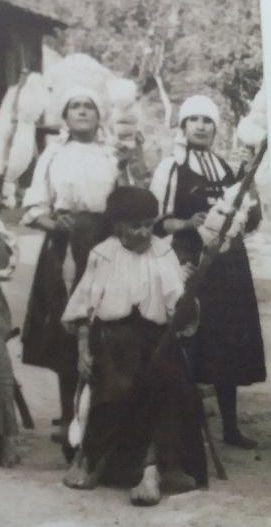
It also depends on our perspective on life: traditional or (post)modern. For example, in Romanian tradition, rural people believed that “what you’re destined to live is written on your forehead” meaning you cannot escape the lines of your predestination. This belief was so deeply rooted in archaic Romanian thought that even fairy tales spoke of kings or princes who fulfilled a certain prophecy about themselves precisely through the very actions they took to try to avoid its fulfillment.
As for me, although I believe that the major encounters and events in a person’s life are governed or influenced from above, I also believe in free will and in the fact that not everything we do in our daily lives is predetermined by fate or a higher power.
What do you think? Let me know in the comments section—I’ll approve them all as soon as possible.
RO
Unele lucruri se întâmplă cu un scop, altele se întâmplă fără scop. Marile evenimente sunt sortite sau „ajutate” să se întâmple (depinde de voi în ce credeți, în destin sau în îngerul păzitor). Doi oameni cu potențial asemănător, dar cu origini diferite, ar avea – din punct de vedere rațional – toate șansele să nu se întâlnească niciodată; totuși, parcă niște fire nevăzute îi trag și îi apropie până când ajung împreună.
Pe de altă parte, liberul arbitru al fiecărei persoane poate opta pentru evoluții total independente de ceea ce am putea considera ca fiind intervenția „mâinii creatorului” într-o lume în care toți am fi personaje de roman. Nu suntem! Avem și o doză considerabilă de irațional, astfel încât nu toate faptele noastre sunt gândite și făcute cu un scop.
Depinde și ce perspective asupra vieții avem: tradiționale sau (post)moderne. De exemplu, în tradiția română, oamenii rurali credeau că „ce-ți este scris în frunte ți-e pus”, adică nu poți scăpa liniilor predestinării tale. Credința aceasta era atât de înrădăcinată în gândirea română arhaică, încât chiar basmele vorbeau despre regi sau prinți ce împlineau o anumită profeție despre ei tocmai prin ceea ce făceau încercând să evite împlinirea ei.
În ceea ce mă privește, deși cred că marile întâlniri și evenimente din viața unui om sunt guvernate sau influențate de undeva de sus, totuși cred și în liberul arbitru și în faptul că nu tot ceea ce facem în viața de zi cu zi este predeterminat de soartă sau divinitate.
Voi ce părere aveți? Dați-mi de știre în secțiunea de comentarii – le voi aproba pe toate în cel mai scurt timp posibil.


