If you had a time machine and could send just one message to your past self, what would it say?
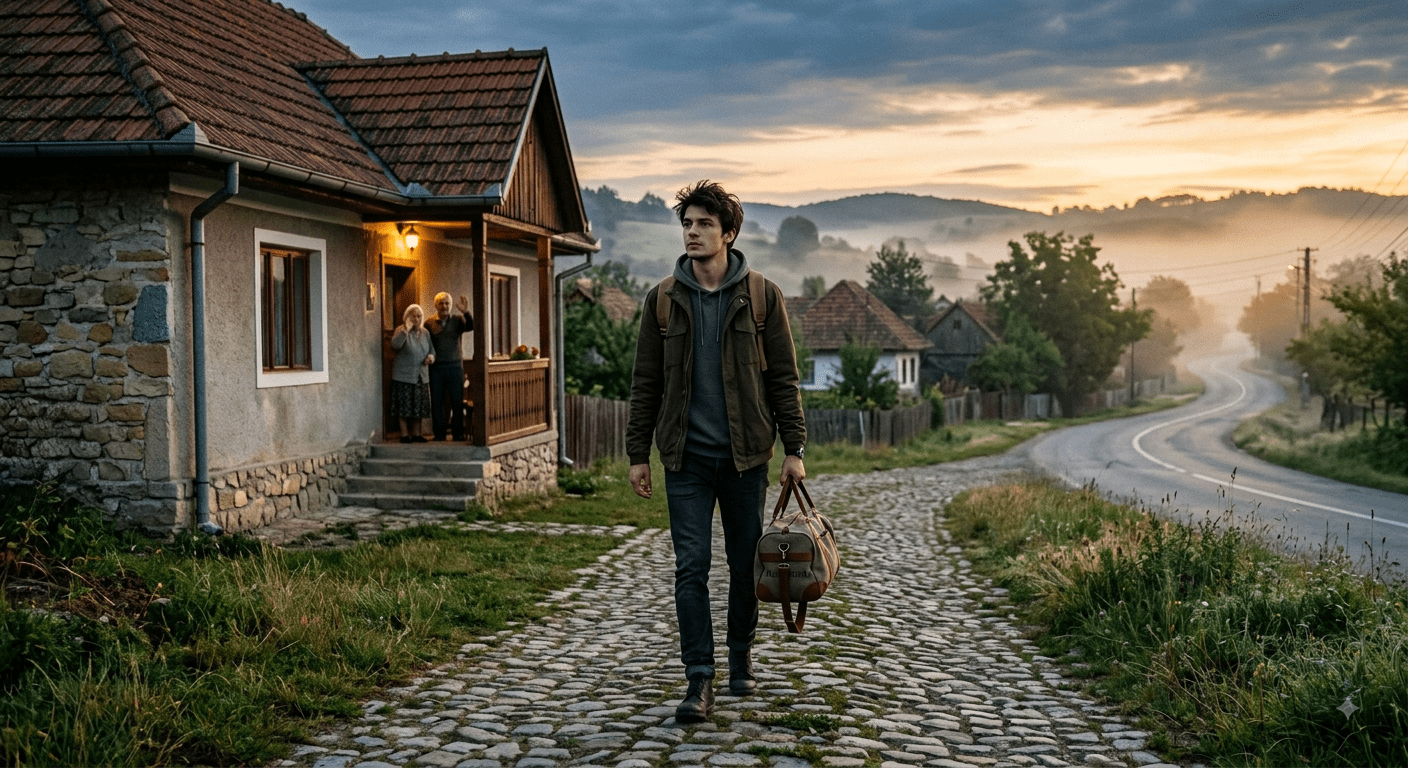
I would tell my past self not to let difficulties get to me and not to leave my hometown or my parents’ home. I base this statement on the hindsight that things weren’t better where I ended up, as I had believed when I left, and it took me much longer to get back on my feet than it would have if I had continued on the path I was on when I left. A Romanian proverb sums up my situation very well: “If youth had wisdom and old age had strength…”
RO
Mi-aș transmite mie însumi să nu mă las influențat de greutăți și să nu îmi părăsesc orașul natal, nici casa părintească. Îmi bazez afirmația pe constatarea retroactivă că acolo unde am ajuns nu mi-a fost mai bine, așa cum credeam când am plecat, și că mi-a luat mult mai mult timp să ajung din nou pe linia de plutire decât dacă aș fi continuat pe linia pe care eram la plecare. Un proverb românesc sintetizează foarte bine situația mea: „Dacă tinerețea ar avea înțelepciune și bătrânețea, putere”…
What’s a song lyric that has stuck with you forever?
„Yes, and how many times must the cannonballs fly Before they’re forever banned? (…) Yes, and how many ears must one man have Before he can hear people cry? Yes, and how many deaths will it take ‘til he knows That too many people have died?”
I have always been moved by the lyrics of this song, which denounce the horrors of World War II or the Vietnam War—in fact, of any war. Beyond ideological justifications, moral precepts, and the notion of justice invoked by one or both sides, the tangible result of war is the destruction of cities, countries, and the natural environment—and, last but not least, the loss of a considerable number of human lives. Although it was believed that in the 21st century there would be no more wars—at most, economic wars—or that the world would be governed by a super-intelligent artificial intelligence capable of peacefully managing humanity’s development, the war in Ukraine and those in the Middle East have convinced us that we have not evolved at all since the last world war, or that, although we have evolved, we have not learned the most important lesson—namely, that a “unfair” peace is preferable to a “just” war, if the price is—and will be—the loss of human lives and the pushing of civilization back toward barbarism.
Back when I first became acquainted with this Bob Dylan song, in the 1990s, there was peace in the world and the Cold War had just ended, along with the threat of the planet’s nuclear annihilation. The lyrics to “Blowing in the Wind” first reached my ears in Florian Pittiș‘s Romanian translation, on cassettes by the band Pasărea Colibri (the hummingbird). I loved them from the very first time I heard them and hummed them long before I discovered the original version.
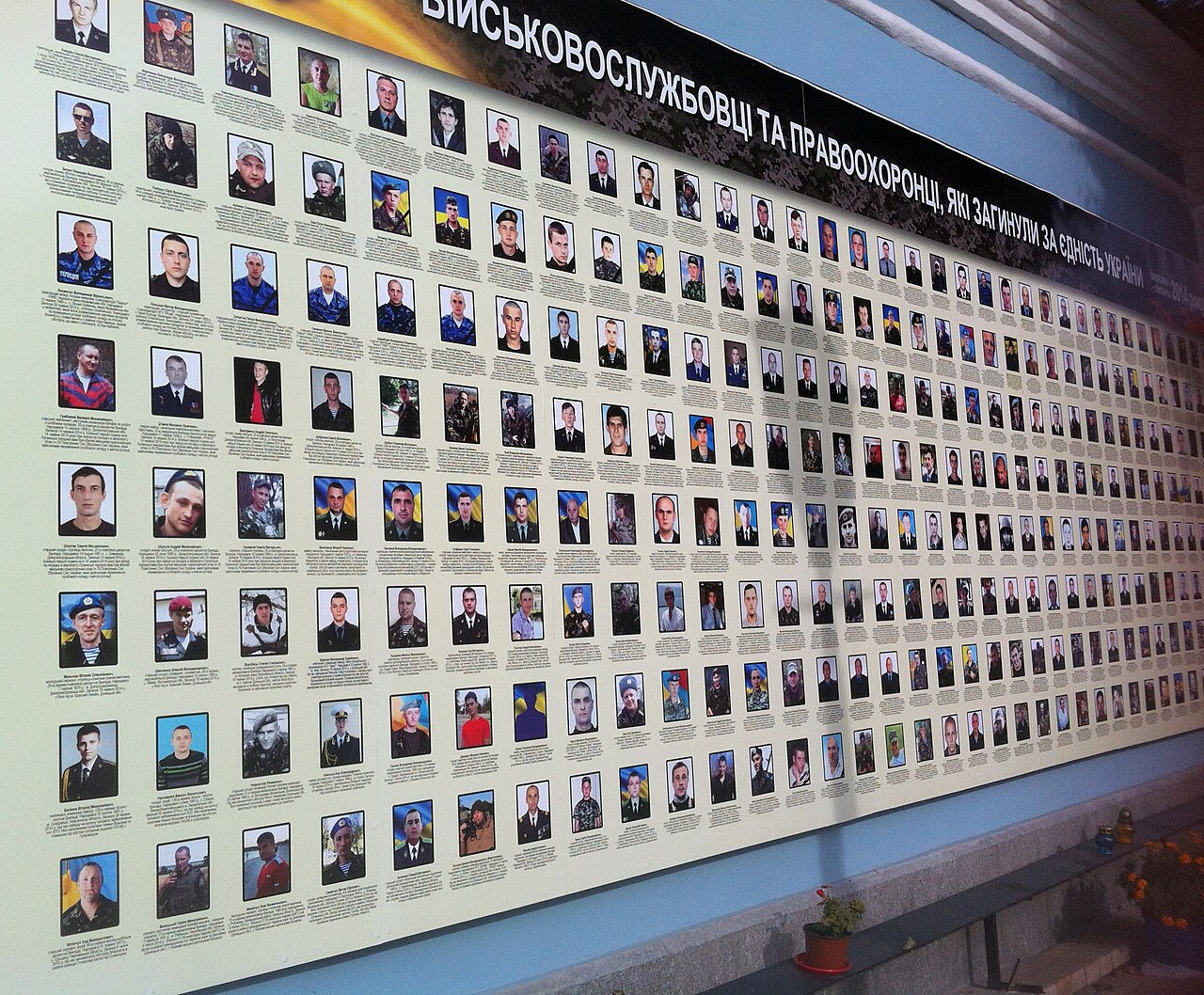
Now, 35 years later, living in Romania—the Eastern European country closest to Ukraine and to the war currently raging on its territory between the two Slavic peoples—I can only look “over the fence” and realize just how right Bob Dylan was: destruction on both sides of the conflict, devastated cities, and hundreds of thousands of dead men, leaving behind widows and orphaned children. And yet, after four years of conflict and a situation that has grown increasingly unfavorable compared to the few moments when peace could have been negotiated, everyone is talking about nothing but more war. Can fire be extinguished with even more fire? Is that really what we want? “How many times must the cannonballs fly / Before they’re forever banned? (…) / Yes, and how many deaths will it take ‘til he knows That too many people have died?”
The answer is probably blowing in the wind…
RO
„Câte bombe vor mai sfârteca vieți întregi, Pân’ să le interzicem pe veci? (…)
Câți mai au de murit ca s-aflăm în sfârșit Că oameni prea mulți au murit?”
Dintotdeauna m-au impresionat versurile acestui cântec denunțând ororile celui de-Al Doilea Război Mondial sau ale Războiului din Vietnam – de fapt, ale oricărui război. Dincolo de rațiunile ideologice, preceptele morale și noțiunea de dreptate invocată de una dintre tabere sau de ambele, rezultatul palpabil al unui război e distrugerea orașelor, țărilor, mediului natural și, nu în ultimul rând, pierderea unui număr considerabil de vieți omenești. Deși se credea că în secolul al XXI-lea nu vor mai exista războaie, decât cel mult războaie economice, sau că lumea va fi condusă de o super-inteligență artificială capabilă să gestioneze pașnic dezvoltarea umanității, războiul din Ucraina și cele din Orientul Mijlociu ne-au convins că n-am evoluat mai deloc de la ultima conflagrație mondială încoace sau că, deși am evoluat, nu ne-am însușit lecția cea mai importantă, anume că o pace „strâmbă” e preferabilă unui război „drept”, dacă prețul este și va fi pierderea de vieți omenești și împingerea civilizației înapoi spre barbarie.
Pe vremea când am făcut cunoștință prima dată cu acest cântec al lui Bob Dylan, în anii 1990, era pace în lume și tocmai se terminase Războiul Rece, implicit amenințarea cu extincția nucleară a planetei. Versurile piesei „Blowing in the wind” au ajuns prima dată la urechile mele în traducerea românească a lui Florian Pittiș, pe casetele formației Pasărea Colibri. Le-am iubit de prima dată și le-am fredonat cu mult timp înainte de a afla varianta originală.
Acum, 35 de ani mai târziu, trăind în România, țara est-europeană cea mai apropiată de Ucraina și de războiul aflat în desfășurare pe teritoriul ei între cele două popoare slave, nu pot decât să mă uit „dincolo de gard” și să remarc cât de multă dreptate a avut Bob Dylan: distrugeri în ambele tabere beligerante, orașe devastate și sute de mii de bărbați morți, lăsând în urmă văduve și copii orfani. Cu toate astea, după 4 ani de conflict și o situație din ce în ce mai defavorabilă față de cele câteva momente în care s-ar fi putut negocia pacea, toată lumea nu vorbește decât despre și mai mult război. Oare focul poate fi stins cu și mai mult foc? Oare asta ne dorim cu adevărat? „Câte bombe vor mai sfârteca vieți întregi / Pân-să le interzicem pe veci? (…) / Câți mai au de murit / Ca s-aflăm în sfârșit / Că oameni prea mulți au murit?”