What’s a skill you consider basic, that most people don’t actually know how to do?
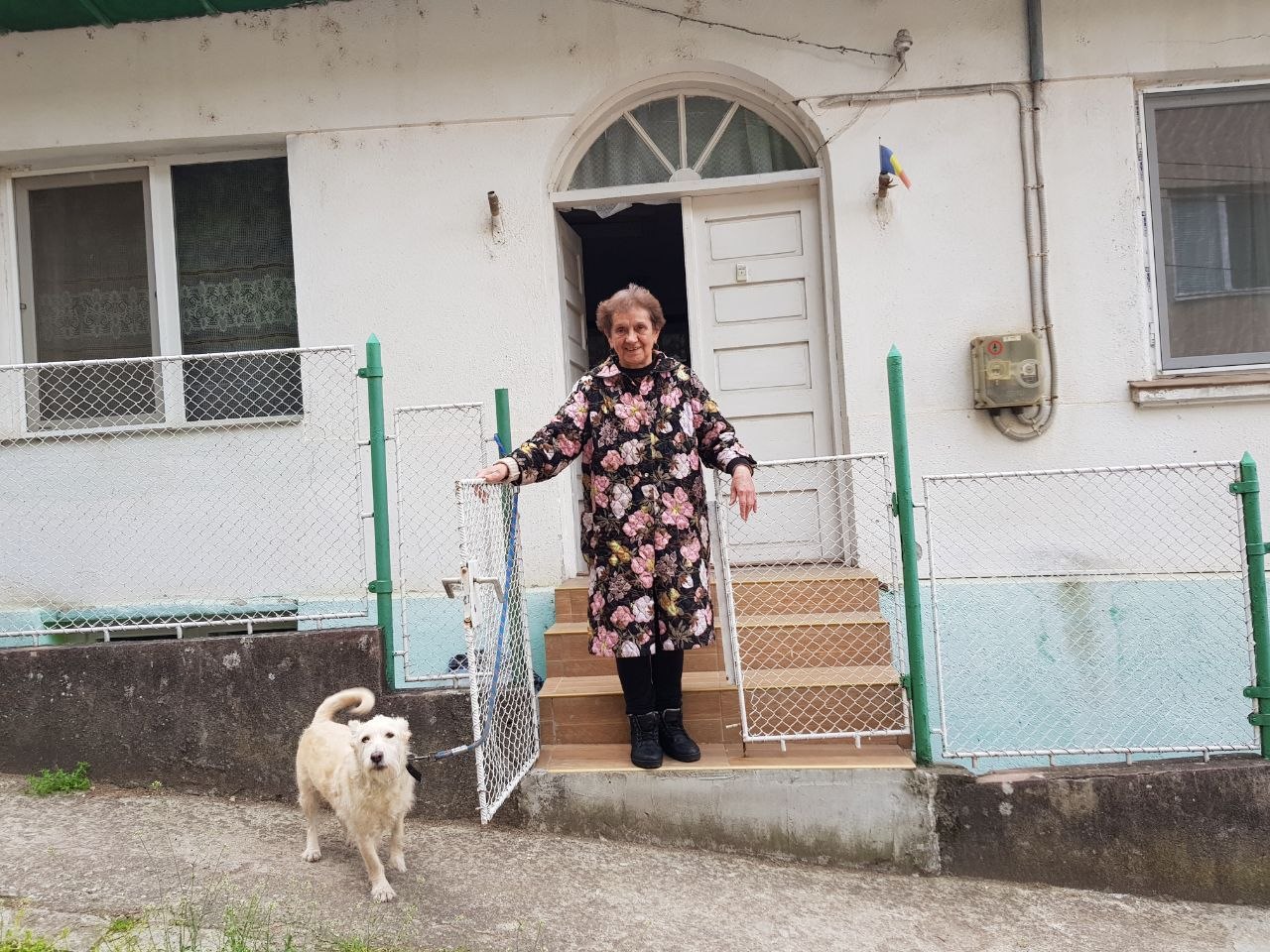
Although everyone has a tendency to recount stories from their own lives and even to gossip about events in the lives of others, not everyone focuses on the art of storytelling, even though it is relatively easy to take up and has the power to bring people together around the storyteller. Back when there was no Internet and televisions were expensive enough that they weren’t found in every room—especially not in government institutions—my grandmother was admitted to the city hospital for a few days to have her tonsils removed. Like any woman from the countryside, she had an extraordinary memory and recalled many life stories, which she recounted with delight to the other three patients in the hospital ward. When I came to visit her, I heard the other women begging her to tell them another story to help pass the time. They didn’t have a TV in the small ward, and their only way to pass the time was to read newspapers or novels—among which *Scarlett* held a special place. Still, the elderly women preferred my grandmother, who told stories with a talent comparable to that of today’s podcasters. Nevertheless, she never made any money from the art of storytelling, but she did make many friends. I wonder what her life would have been like if she had become a professional storyteller or writer, and her audience had been larger than her lounge mates or the old ladies in a train compartment.
RO
Deși toată lumea are înclinația de a povesti întâmplări de viață și chiar de a bârfi evenimente din viețile altora, nu oricine se axează pe arta povestitului, cu toate că aceasta e relativ ușor de abordat și are darul de a-i uni pe oameni în jurul povestitorului. Pe vremea când nu exista Internet și televizoarele erau suficient de scumpe încât să nu se găsească chiar în orice încăpere, mai ales nu în instituțiile de stat, bunica mea a fost internată câteva zile în spitalul orășenesc pentru o extracție de amigdale. Ca orice femeie de la țară, avea o memorie extraordinară și ținea minte multe întâmplări de viață, pe care le povestea cu încântare celorlalte trei paciente din salonul spitalicesc. Venit în vizită la ea, le-am auzit pe colegele ei de suferință rugând-o să le mai povestească ceva ca să le treacă plictiseala. Nu aveau televizor în micul salon și singura lor metodă de a-și petrece timpul era cititul ziarelor sau a unor romane dintre care Scarlett era la loc de cinste. Totuși, bătrânele o preferau pe bunică-mea, care povestea cu un talent comparabil cu cel al realizatorilor de podcasturi din zilele noastre. Cu toate acestea, ea n-a câștigat niciodată bani din arta povestirii, dar și-a făcut multe prietene. Mă întreb ce-ar fi fost viața ei dacă ar fi ajuns povestitor profesionist sau scriitoare, iar publicul ei ar fi fost mai numeros decât colegele de salon sau babele dintr-un compartiment de tren.
Who is the fictional character you relate to the most?
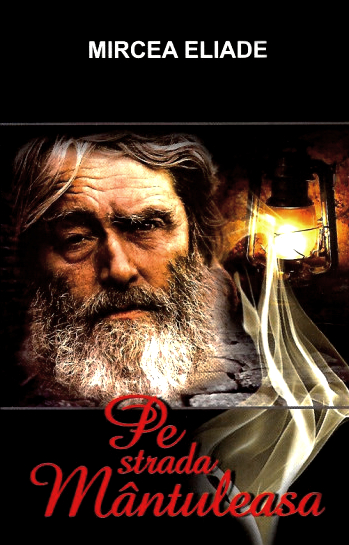
Zaharia Fărâmă is a former principal of a school on Mântuleasa Street in Bucharest, the capital of the Kingdom of Romania. After World War II, the establishment of the Soviet-style communist regime in Romania, and the abolition of the monarchy, the former teacher, now in his old age, climbs the stairs of an imposing building and knocks on the door of the apartment of a certain major in the Ministry of the Interior, whom he remembers as one of his former students. He wants to see how the man is doing and whether he still remembers the exploits of his childhood.
In a hysterical and suspicious era such as the early days of the communist dictatorship, when citizens were divided into supporters of the illegitimate new regime and “enemies of the people” (that is, dissidents of the regime), with only these two extremes and no middle ground, a natural, politically unaligned man like the teacher Fărâmă is viewed with suspicion: what is he up to? How did he find out the major’s address? Does he perhaps know other things besides the school this regime official attended—a man who swears he has only a fourth-grade education?
The visit ends badly—the teacher ends up in the dungeons of the political police, where he is forced to write statements. Since he takes such pleasure in writing at length and bringing up all sorts of characters and events from the past, his detention and interrogations drag on indefinitely.
Beyond the era and context that make Zaharia Fărâmă a misfit who takes refuge in the past, I identify with his passion for writing extensively and about anything and everything, but also with his inclination to forge deeply human connections in a world of robotic people who shy away from overly intimate relationships or even friendship.
The former teacher’s last name, Fărâmă, can mean a small piece of bread or a tiny fragment of something much larger. His first name, Zaharia, comes from „sugar” and may suggest a sweet, gentle, calm, and good-natured personality: a man who is a comfort to others. The former school principal’s memory was fragmentary and tied to personal anecdotes rather than historical events. This makes him a good and prolific storyteller, but, on the other hand, a man who never follows through on any narrative thread. It’s no wonder that the short story “On Mântuleasa Street” by Mircea Eliade begins with Zaharia Fărâmă climbing some stairs to his former student’s apartment and ends with him sitting on a bench under a tree, waiting to meet the very same man who refuses to remember his existence. A fragment of city life, like a scrap of oral history from the capital of a country situated at the crossroads of great empires and of great shifts in regime or paradigm.
I identify with Zaharia Fărâmă not only because of his extraordinary narrative ability, but also because he manages to remain a down-to-earth person in the midst of a world so transformed, teetering on the brink of collective madness. He is a man above the times, his only “politics” being decency. A quality that stands out starkly to those who have chosen to sell their souls in order to climb the social ladder, but not the ladder of humanity. I believe a world with more people like him would be a better one.
RO
Zaharia Fărâmă este un fost director al unei școli de pe strada Mântuleasa din București, capitala Regatului României. După Al Doilea Război Mondial, instaurarea regimului comunist de proveniență sovietică în România și abolirea monarhiei, fostul dascăl, ajuns la bătrânețe, urcă scările unui imobil impozant și bate la ușa apartamentului unui anumit maior din cadrul Ministerului de Interne, pe care și-l amintește ca pe un fost elev de-ai săi. Vrea să vadă ce mai face și dacă își mai aduce aminte isprăvile din vremea copilăriei.
Fiind într-o epocă isterică și suspicioasă ca cea de început a instaurării dictaturii comuniste, când cetățenii se împărțeau în susținători ai noului regim ilegitim și „dușmani ai poporului” (adică dizidenți ai regimului), neexistând decât cei doi poli și nici o cale de mijloc, un om firesc și neangajat politic precum dascălul Fărâmă e privit cu precauție: ce caută? De unde a aflat adresa tovarășului maior? Oare mai știe și alte lucruri în afară de școala la care a studiat acest om al regimului, care se jură că nu are decât 4 clase?
Vizita se termină prost – dascălul ajunge prin beciurile poliției politice unde este pus să scrie declarații. Cum are o plăcere de a scrie mult și de a aduce în discuție tot felul de personaje și întâmplări din trecut, detenția lui și anchetele se prelungesc pe termen nedefinit.
Dincolo de epoca și contextul care îl fac pe Zaharia Fărâmă un neadaptat care se refugiază în trecut, mă identific cu pasiunea lui de a scrie mult și despre orice, dar și cu înclinația lui de a crea conexiuni profund umane într-o lume a oamenilor robotizați, care se feresc de conexiuni prea intime sau chiar de prietenie.
Numele de familie al fostului dascăl, Fărâmă, poate însemna o mică bucată de pâine sau un mic fragment din ceva mult mai vast. Prenumele lui, Zaharia, vine de la „zahăr” și poate sugera o personalitate dulce, lină, molcomă, bonomă: un om de pus pe rană. Memoria fostului director de școală era fragmentară și legată de întâmplări mai degrabă personale decât de evenimentele istorice. Asta îl face un bun și prolific povestitor, dar, pe de altă parte, un om care nu duce până la capăt nici un fir narativ. Nu e de mirare că nuvela „Pe strada Mântuleasa” de Mircea Eliade începe cu Zaharia Fărâmă urcând niște scări către apartamentul fostului său elev și se termină cu el stând pe o bancă sub un copac, așteptând întâlnirea cu același om care nu vrea să-și aducă aminte de existența lui. Un fragment de viață citadină cât o fărâmă de istorie orală din capitala unei țări aflate la răscrucea marilor imperii și a schimbărilor de regim și de paradigmă.
Mă identific cu Zaharia Fărâmă nu doar pentru extraordinara lui capacitate narativă, ci și pentru că reușește să rămână un om firesc în mijlocul unei lumi atât de schimbate, la limita nebuniei colective. El este omul de deasupra timpurilor, singura lui politică fiind cumsecădenia. O calitate bătătoare la ochi pentru cei care au ales să-și vândă sufletul pentru a urca pe scara socială, dar nu și pe cea a omeniei. Cred că o lume cu mai mulți oameni ca el ar fi una mai bună.