If you could erase one event from history, what would it be?
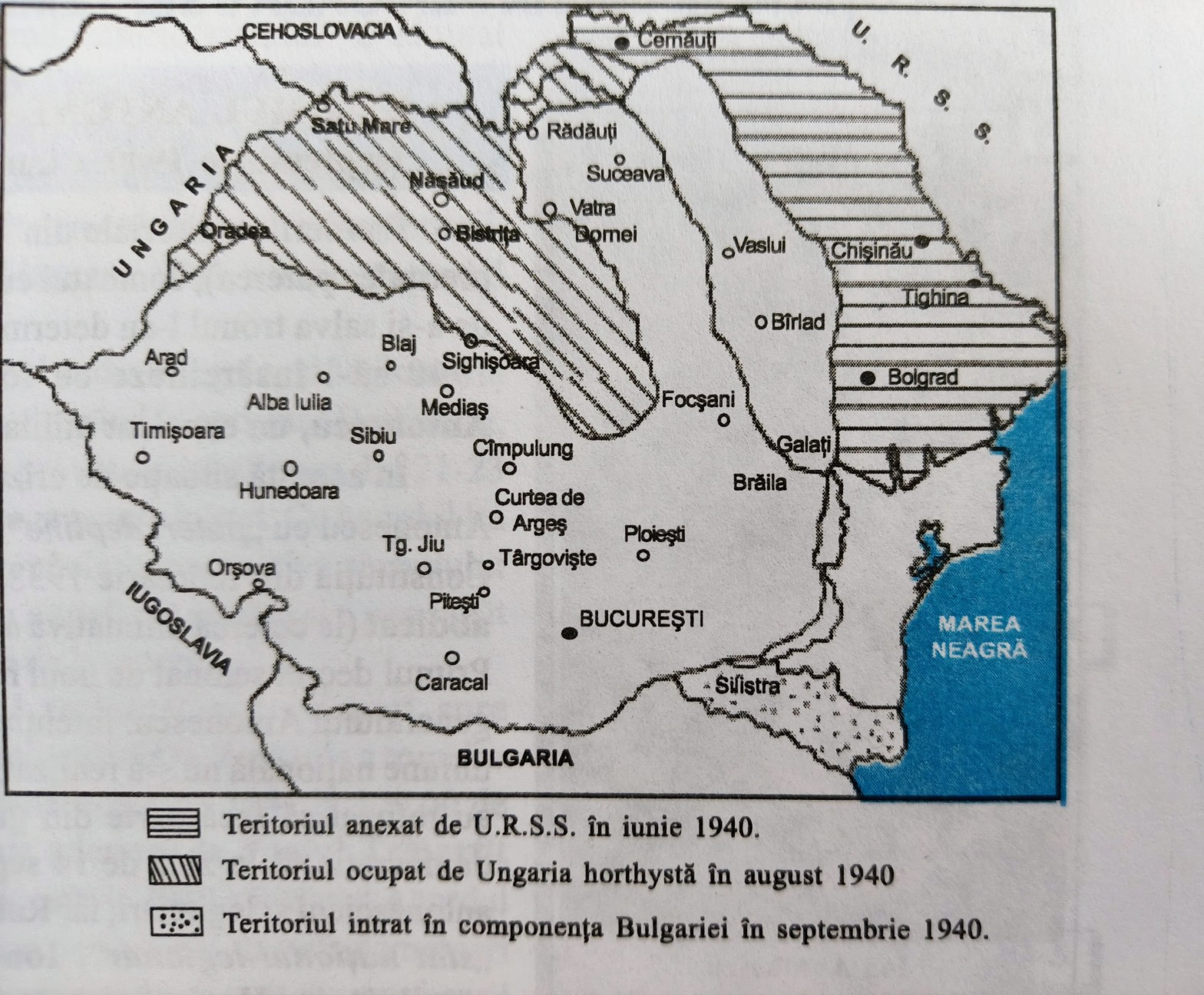
I would like to erase the tragic year of 1940 from history, particularly the Soviet Union’s annexation of the eastern and northern counties of the Kingdom of Romania, known as Bessarabia and Bukovina—of which only Bessarabia had been part of the Russian Empire prior to 1918.
Apart Bessarabia, in 1940 the Soviets also demanded the northern half of Bukovina as “compensation” for the two decades of “Romanian occupation” of Bessarabia, ignoring the fact that it was the Russians who had first occupied Bessarabia in 1812, tearing it away from the territory of the Romanian Principality of Moldavia.
Following the ultimatums issued to Romania on June 26 and 28 by the USSR, the Red Army invaded the Romanian province of Bessarabia and half of the Romanian province of Bukovina, including the city of Chernivtsi, where provincial representatives had voted in 1918 to unify Bukovina „for eternity” with the Kingdom of Romania. As a result of the Soviet aggression, Romania lost 50,500 square kilometers of territory in its eastern and northern regions, along with a population of 3.7 million, the majority of whom were ethnic Romanians. These territorial annexations were unfounded because they did not correspond to the historical and demographic realities that had previously existed, did not reflect the will of the population, and lacked the consent of the Romanian government, which had not concluded any agreement with Moscow regarding the cession or demarcation of the occupied territories.
The two ultimatums issued by the USSR to Romania were coercive and dictatorial in nature, as Moscow refused to engage in any negotiations with the Romanian side and even violated its own terms by ordering the Red Army to enter Bessarabia two days before the deadline for the withdrawal of the Romanian administration and army had expired, which led to violence and the loss of human lives, among both military personnel and civilians.
The USSR annexed both northern Bukovina and northern Bessarabia, as well as southern Bessarabia, to the Ukrainian Soviet Socialist Republic, and on the rest of Bessarabia’s territory, it established the Moldavian Soviet Socialist Republic, to which it also annexed a small strip of territory beyond the Dniester River, called Transnistria, which had not previously been part of the Kingdom of Romania, although it had a significant Romanian population.
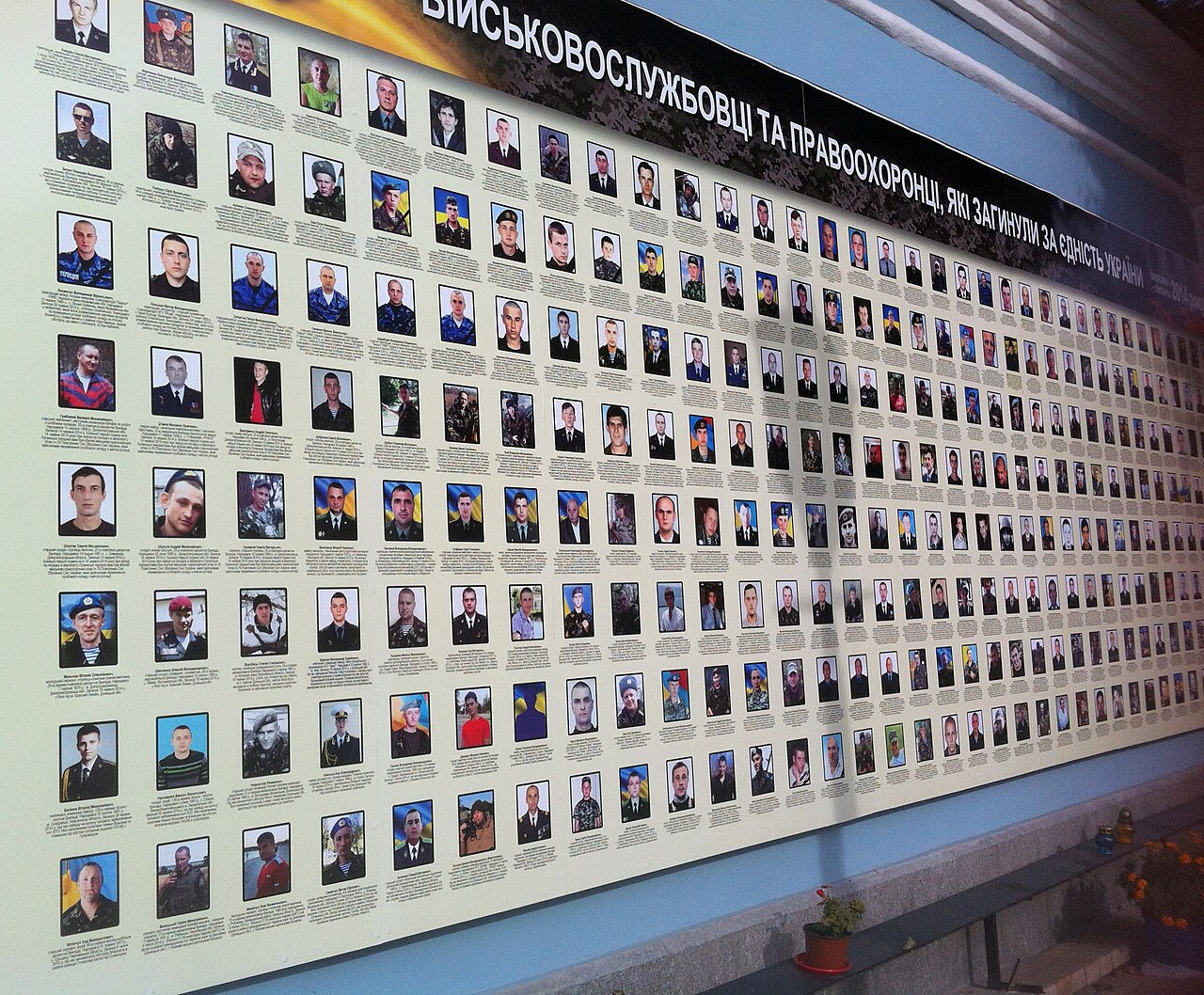
Thus, in 1940, the USSR established a fictitious republic on the internationally recognized territory of Romania, just as the Russian Federation established fictitious republics on the internationally recognized territory of Ukraine in 2022. In both cases, these maneuvers were possible during wartime, with Moscow exploiting temporary military and numerical superiority to impose territorial changes at the expense of neighboring countries. Because it was not stopped in the 1940s, it is tempted to repeat history in the 2020s.
RO
Mi-aș dori să șterg din istorie tragicul an 1940, în special anexarea de către URSS a județelor estice și nordice ale Regatului României, cunoscute sub numele de Basarabia și Bucovina – dintre care numai Basarabia se aflase anterior anului 1918 în componența Imperiului Rus.
Sovieticii au cerut în 1940 și jumătatea nordică a Bucovinei ca „despăgubire” pentru cele două decenii de „ocupație românească” a Basarabiei, ignorând că rușii au fost cei care ocupaseră primii Basarabia la 1812, rupând-o din teritoriul principatului românesc al Moldovei.
În urma ultimatumurilor adresate României la 26 și 28 iunie de către URSS, Armata Roșie a invadat provincia română Basarabia și jumătate din provincia română Bucovina, inclusiv orașul Cernăuți, în care reprezentanții provinciei votaseră la 1918 Unirea „pe vecie” a Bucovinei cu Regatul României. Ca urmare a agresiunii sovietice, România a pierdut din estul și nordul său un teritoriu de 50500 km pătrați și o populație de 3,7 locuitori, în majoritatea lor etnici români. Aceste anexări teritoriale erau neîntemeiate deoarece nu corespundeau realității istorice și demografice anterioare, nu reflectau voința populației și nu aveau consimțământul guvernului român, care nu a încheiat cu Moscova vreun act de cedare sau delimitare a teritoriilor ocupate.
Cele două ultimatumuri adresate de URSS României au avut un caracter de forță, de dictat, Moscova neacceptând nici o negociere cu partea română și încălcându-și chiar propriile condiții prin faptul că a ordonat armatei roșii să pătrundă în Basarabia cu două zile înainte de expirarea termenului acordat pentru retragerea administrației și armatei române, ceea ce a dus la violențe și pierderea unor vieți omenești, atât ale militarilor cât și de civililor.
URSS a alipit atât nordul Bucovinei și al Basarabiei, cât și sudul Basarabiei, Republicii Sovietice Socialiste Ucrainene, iar pe restul teritoriului Basarabiei a înființat Republica Sovietică Socialistă Moldovenească, căreia i-a alipit și o mică fâșie dintr-un teritoriu de dincolo de Nistru, numit Transnistria, care nu făcuse parte anterior din Regatul României, cu toate că avea o importantă populație română.
Astfel, URSS a construit în 1940 o republică fictivă pe teritoriul recunoscut internațional al României, la fel cum Federația Rusă a instituit în 2022 republici fictive pe teritoriul recunoscut internațional al Ucrainei. În ambele cazuri, aceste manevre au fost posibile în timp de război, Moscova folosindu-se de o temporară superioritate militară și numerică pentru a impune schimbări teritoriale în detrimentul țărilor vecine. Din cauză că nu a fost oprită în anii 40 ai secolului al XX-lea, este tentată să repete istoria și în anii 20 ai secolului al XXI-lea.