Which fictional world would be the most fun to vacation in?
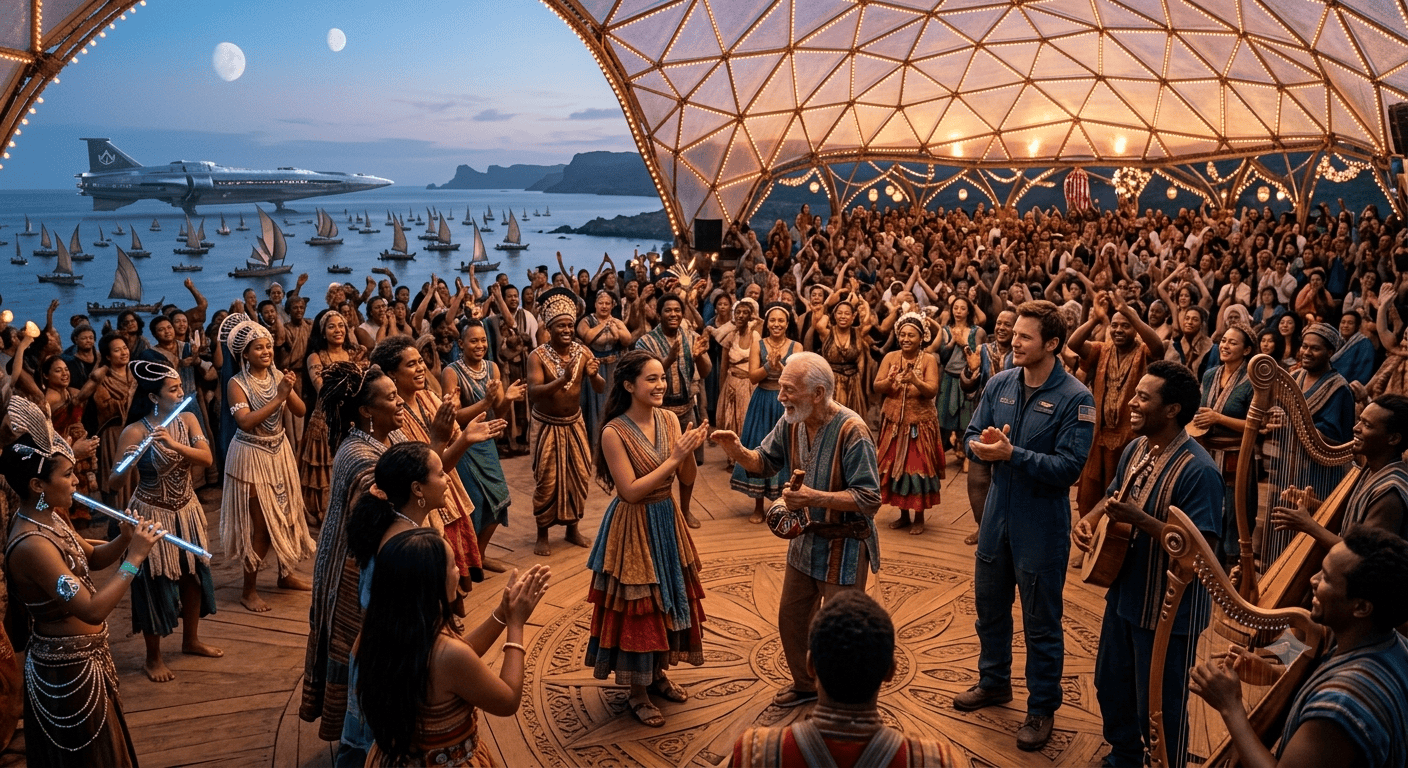
I’d like to go on a vacation on the Alpha planet from Asimov’s novel Foundation and Earth. Golan Trevize, Janov Pelorat, and Bliss visit the planet Alpha (orbiting Alpha Centauri) as part of their search for humanity’s ancestral home in Isaac Asimov’s novel Foundation and Earth.
Upon entering the Alpha system, the travelers discover that the habitable planet is entirely covered by water, except for a single inhabited island called New Earth. Around 25,000 people live on this island.
The locals seem extremely welcoming; they organize a festival featuring acoustic and traditional music and dancing, and the visitors from outer space are drawn into the festivities. That is, until they discover a disturbing detail that causes them to leave the planet Alpha in a hurry.
I’d love to spend a vacation in that world, but without going through what happened to Trevize, Pelorat, and Bliss. I won’t give away any details, but I invite you to read the book!
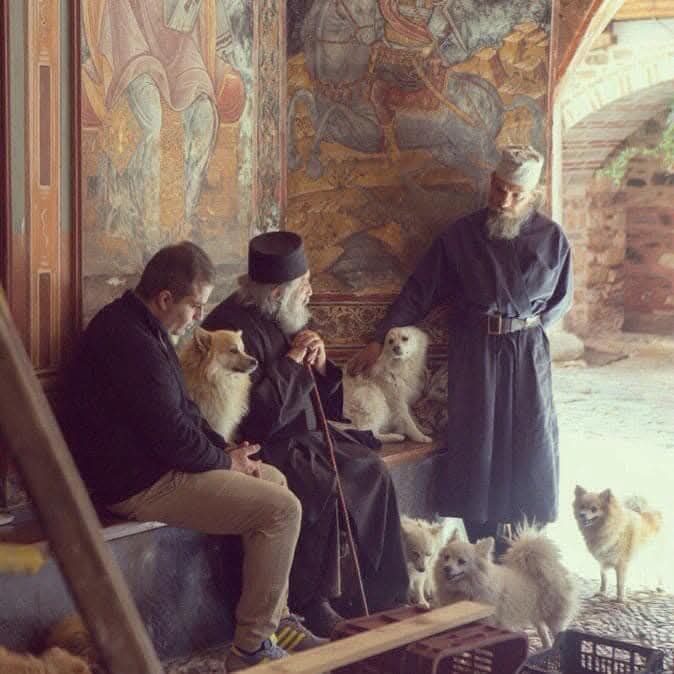
The most recent film I watched that made me cry is “Where Are You, Adam?” by Oleksandr Zaporoshchenko and Oleksandr Plyska, which was shown on a projection screen in my neighborhood’s church after Vespers. The film was produced in 2019, but was first shown in my city in 2025. The film was shot at the Dochiariou Monastery on Mount Athos, with its former abbot, Archimandrite Gregory Zoumis, as the central character.
In fact, the central focus is the Athonite way of life, and the film offers an excellent opportunity to see what life is like on the Holy Mountain—not only for those who have never been there or cannot go, but also for those who have visited and remain longing for this “island of the Mother of God” or “monastic republic”, as it is often called.
Over the course of the nearly two-hour screening, the film covers just about every aspect of life as a monk or pilgrim in an Athonite monastery: from religious services—including the tonsure ceremony and the celebration of the Holy Resurrection of our Lord Jesus Christ (Easter) —to the various tasks related to economic management and voluntary practical activities—”obbediences”: work in the kitchen and dining hall, masonry, fishing, agriculture, animal husbandry, and more. Some temptations or simmering conflicts are also sketched out, a sign that no matter how much they seek salvation, the brothers remain human, with their good and bad sides.
The film impresses with its tenderness, poetic and comprehensive approach, objectivity, and freedom: it does not impose a single perspective on what is presented, but rather gives each viewer the opportunity to understand and take away the part that impressed them most, the part that resonated most deeply with their inner self. So many viewers, so many ways of understanding! That is why, at the end, a discussion took place with at least one of the film’s producers, as well as with the priest(s) of the host parish.
Below is some information about this film, provided by Ukrainian Deacon Oleksandr Plyska:
“THE FILM’S SUBJECT
The film “Where Are You, Adam?” was shot on Mount Athos, at the Dochiariou Monastery, during the lifetime of and with the blessing of the late Hegumen, Archimandrite Gregory Zoumis.
The film offers a delicate observation of the monks’ daily lives, their inner world, and their remarkable way of life in a unique place where time is not measured by the hour. We see people deeply immersed in prayer, work, trials, countless hardships, and suffering.
The images of self-denial and monastic altruism leave no one indifferent, and thus the viewer embarks on their own journey in search of answers to profound personal questions, such as, “Where is my heart?” “Where am I?”, at the root of which lies the fundamental question addressed to all humanity: “Where are you, Adam?”.
To a certain extent, the film proves to be a hymn to the Christian faith, Orthodoxy, and monasticism, glorifying holiness—a state that, ultimately, can be attained by those who diligently seek it.
WHAT MAKES THIS FILM UNIQUE?
This is a historical documentary; it contains no role-playing, no pre-written scripts, no rehearsed lines, and no preconceived situations, nor is there a “voice-over.” The narrative unfolded naturally, like a mosaic composed of the lives of the film’s protagonists.
The film contains neither glorification nor propaganda. It offers every viewer the freedom to interpret it as they see fit, regardless of their religious, denominational, ethical, or political views.
The filmmakers do not insist on imposing any idea or opinion; instead, they present the monks’ way of life and the life of the monastery in all their depth and splendor, while the viewer simply lives through their own experience. As they immerse themselves in the film’s atmosphere, embraced by sincere and compassionate empathy, viewers unwittingly become not only witnesses but also participants in the events, thereby carrying out a laborious yet deeply meaningful work within the depths of their own hearts.
INFORMATION ABOUT THE FILM’S SCREENINGS
In Romania, the premiere of the film “Where Are You, Adam?” took place in September 2023 at the Romanian Orthodox Patriarchate Palace in Bucharest. The film was screened in major cities and towns across Romania, as well as in Romanian Orthodox parishes in Germany, France, the United Kingdom, Denmark, Sweden, Spain, and the Netherlands.
Participation in Film Festivals
The film was selected and screened at two “A”-category film festivals accredited by FIAPF.
•The Kraków Film Festival in Poland, which is also the oldest documentary film festival in Europe. •The Tallinn Film Festival, also known as the Tallinn Black Nights Film Festival (Estonia).
The film “Where Are You, Adam?” won awards at the following film festivals.
•The “POKROV” Film Festival in Kyiv, Ukraine, where it received the Grand Prix. •The Zaicear Christian Culture Festival in Serbia, where it received the Grand Prix. •GIFFT of Canada, The International Greek Film Festival, where it received the Best Documentary Film Award.
RO
Cel mai recent film pe care l-am vizionat și care m-a făcut să plâng este „Adame, unde ești?” de Alexandru Zaporoșenco și Alexandru Plîșca, rulat pe un ecran de proiecție în biserică, după vecernie. Filmul a fost produs în 2019, dar a fost proiectat la mine în oraș abia în 2025. Pelicula a fost turnată la Mănăstirea Dohiariu din Muntele Athos, avându-l ca personaj central pe fostul stareț al acesteia, Arhimandritul Grigorie Zoumis.
De fapt, personajul central este modul de viețuire athonită și filmul e un excelent prilej de a vedea cum se trăiește în Sfântul Munte pentru cine nu a fost niciodată acolo sau nu poate să meargă, dar și pentru cei care au făcut-o și au rămas cu dorul după această „insulă a Maicii Domnului” sau „republică monahală”, așa cum este adesea numit.
Pe parcursul celor aproape două ore cât durează proiecția, sunt abordate cam toate aspectele viețuirii de călugăr sau de pelerin într-o mănăstire athonită: de la slujbele religioase – inclusiv cea a tunderii în monahism sau cea a Sfintelor Paști – și până la feluritele ocupații ce țin de organizarea economică și de activități practice voluntare – „ascultări”: munca la bucătărie și sala de mese, zidăria, pescuitul, agricultura, creșterea animalelor și nu numai. Apar schițate și unele ispite sau conflicte mocnite, semn că indiferent cât de mult ar căuta mântuirea, frații rămân tot oameni, cu bune și cu rele.
Filmul impresionează prin tandrețe, abordare poetică și exhaustivă, obiectivitate și libertate: nu impune o viziune unică asupra celor prezentate, ci lasă fiecărui privitor ocazia să înțeleagă și să ia cu el acea parte care l-a impresionat mai mult, care a rezonat cel mai bine cu sinele său lăuntric. Câți privitori, atâtea maniere de înțelegere! Motiv pentru care, la final, s-a purtat o discuție cu cel puțin unul dintre producătorii filmului, precum și cu preoții parohiei–gazdă.
Redăm, mai jos, câteva informații despre această peliculă, puse la dispoziție de diaconul ucrainean Alexandru Plîșca (Oleksandr Plyska):
„SUBIECTUL FILMULUI
Filmarea peliculei „Unde ești, Adame?” a fost realizată în Sfântul Munte Atos, la Mănăstirea Dochiariu, în timpul vieții și cu binecuvântarea regretatului Egumen, Arhimandritul Grigorie Zoumis. Filmul se arată a fi o observare delicată a vieții de zi cu zi a monahilor, a lumii lor interioare și a viețuirii uimitoare într-un loc unic, unde timpul nu are drept unitate de măsură ora. Vedem oameni care sunt aprofundați în rugăciune, muncă, încercări, greutăți nenumărate și dureri. Imaginile lepădării de sine și ale altruismului monahal nu lasă pe nimeni indiferent și, astfel, spectatorul parcurge calea proprie în căutarea răspunsurilor la profunde căutări personale, cum ar fi de pildă, „oare unde se găsește inima mea?”, „unde mă aflu eu?”, la baza cărora stă întrebarea fundamentală, adresată întregii omeniri: „Unde ești, Adame?”. Într-o oarecare măsură, filmul se arată a fi un imn înălțat Credinței creștine, Ortodoxiei și monahismului, slăvind sfințenia, stare care într-un final, poate fi dobândită de către cei ce se sârguiesc în căutarea ei.
ÎN CE CONSTĂ UNICITATEA ACESTUI FILM?
Acesta este un document istoric, el nu conține jocuri de roluri și scenarii scrise din timp, replici și situații gândite în prealabil, nefiind prezentă „vocea din spatele ecranului”. Scenariul s-a așezat într-un mod firesc, precum un mozaic compus din viețile eroilor filmului. În film nu este prezentă nici exaltarea, nici propaganda. Pelicula oferă fiecărui spectator libertatea de percepție, indiferent de opiniile legate de apartenența sa religioasă, confesională, etică sau politică. Autorii nu insistă să impună nicio idee sau opinie, aici fiind prezentată viețuirea monahilor și viața mănăstirii în toată profunzimea și splendoarea lor, în timp ce spectatorul își trăiește doar propria experiență. Scufundându-se in atmosfera filmului, îmbrățișați fiind de o empatie sinceră și plină de compasiune, spectatorii devin involuntar nu doar martori, ci și participanți la evenimente, înfăptuind astfel o lucrare trudnică de mare folos în adâncul propriilor inimi.
INFORMAȚII DESPRE PROIECȚIILE FILMULUI
În Romania, premiera filmului „Unde ești, Adame?” a avut loc în septembrie 2023, la Palatul Patriarhal. Filmul a fost proiectat atât în marile orașe și în localități din România, cât și în parohiile românești din Germania, Franța, Marea Britanie, Danemarca, Suedia, Spania și Olanda.
Participarea la festivaluri de film Filmul a fost selectat și proiectat în cadrul a două festivaluri de film de categoria „A”, acreditate de FIAPF. •Festivalul de film din Cracovia, Polonia, care este și ce mai vechi festival de film documentar din Europa. •Festivalul de film din Tallinn, Estonia, numit și Tallinn Black Nights Film Festival.
Filmul ” Unde ești, Adame?” a obținut premii la următoarele festivaluri de film. •Festivalul de film „POKROV”, Kiev, Ucraina, unde a primit Grand-Prix. •Festivalul culturii creștine Zaicear, Serbia, unde a primit Grand-Prix. •GIFFT of Canada, Festivalul internațional de film grecesc, unde a primit Premiul pentru cel mai bun film documentar.
If you could erase one event from history, what would it be?
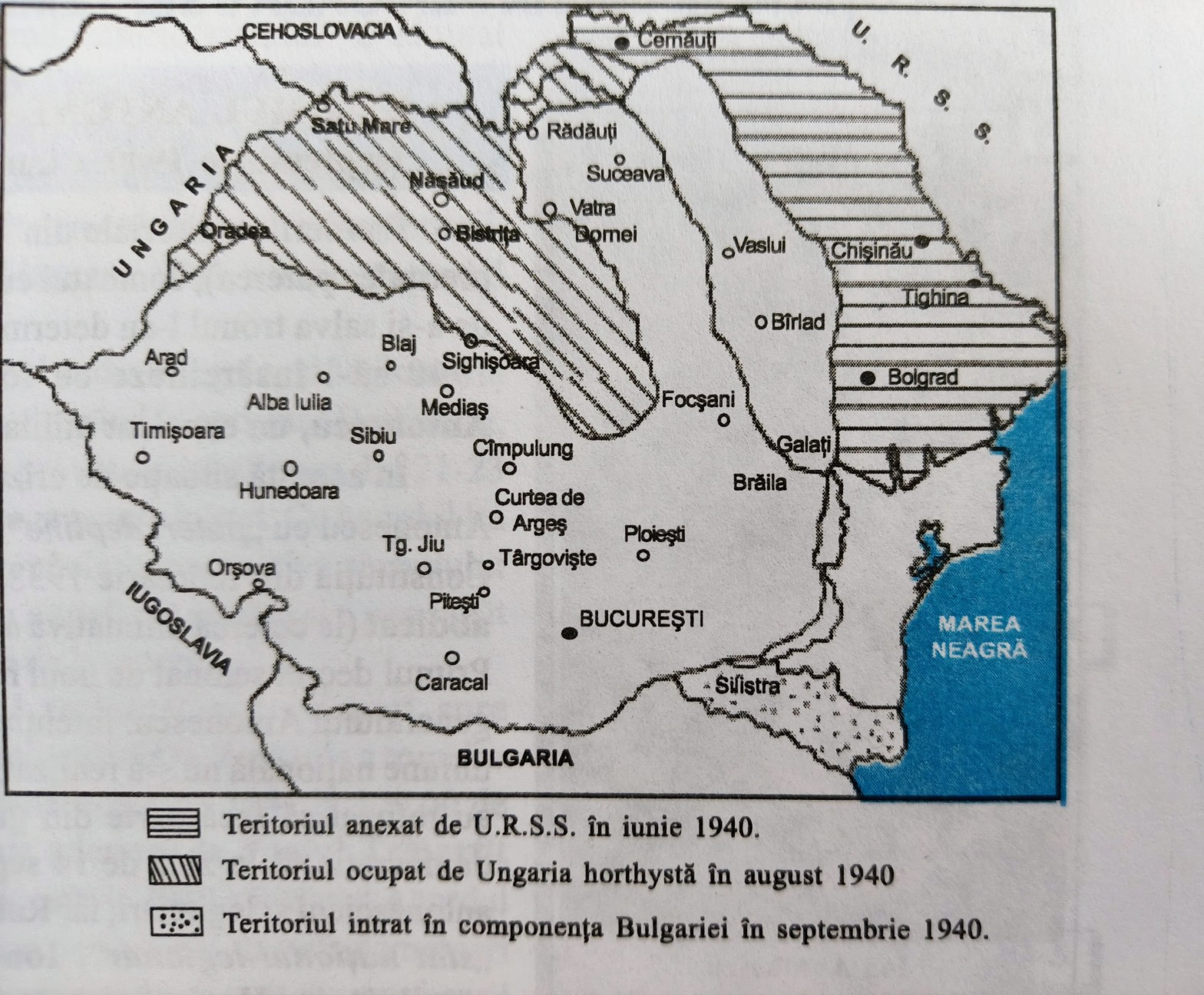
I would like to erase the tragic year of 1940 from history, particularly the Soviet Union’s annexation of the eastern and northern counties of the Kingdom of Romania, known as Bessarabia and Bukovina—of which only Bessarabia had been part of the Russian Empire prior to 1918.
Apart Bessarabia, in 1940 the Soviets also demanded the northern half of Bukovina as “compensation” for the two decades of “Romanian occupation” of Bessarabia, ignoring the fact that it was the Russians who had first occupied Bessarabia in 1812, tearing it away from the territory of the Romanian Principality of Moldavia.
Following the ultimatums issued to Romania on June 26 and 28 by the USSR, the Red Army invaded the Romanian province of Bessarabia and half of the Romanian province of Bukovina, including the city of Chernivtsi, where provincial representatives had voted in 1918 to unify Bukovina „for eternity” with the Kingdom of Romania. As a result of the Soviet aggression, Romania lost 50,500 square kilometers of territory in its eastern and northern regions, along with a population of 3.7 million, the majority of whom were ethnic Romanians. These territorial annexations were unfounded because they did not correspond to the historical and demographic realities that had previously existed, did not reflect the will of the population, and lacked the consent of the Romanian government, which had not concluded any agreement with Moscow regarding the cession or demarcation of the occupied territories.
The two ultimatums issued by the USSR to Romania were coercive and dictatorial in nature, as Moscow refused to engage in any negotiations with the Romanian side and even violated its own terms by ordering the Red Army to enter Bessarabia two days before the deadline for the withdrawal of the Romanian administration and army had expired, which led to violence and the loss of human lives, among both military personnel and civilians.
The USSR annexed both northern Bukovina and northern Bessarabia, as well as southern Bessarabia, to the Ukrainian Soviet Socialist Republic, and on the rest of Bessarabia’s territory, it established the Moldavian Soviet Socialist Republic, to which it also annexed a small strip of territory beyond the Dniester River, called Transnistria, which had not previously been part of the Kingdom of Romania, although it had a significant Romanian population.
Thus, in 1940, the USSR established a fictitious republic on the internationally recognized territory of Romania, just as the Russian Federation established fictitious republics on the internationally recognized territory of Ukraine in 2022. In both cases, these maneuvers were possible during wartime, with Moscow exploiting temporary military and numerical superiority to impose territorial changes at the expense of neighboring countries. Because it was not stopped in the 1940s, it is tempted to repeat history in the 2020s.
RO
Mi-aș dori să șterg din istorie tragicul an 1940, în special anexarea de către URSS a județelor estice și nordice ale Regatului României, cunoscute sub numele de Basarabia și Bucovina – dintre care numai Basarabia se aflase anterior anului 1918 în componența Imperiului Rus.
Sovieticii au cerut în 1940 și jumătatea nordică a Bucovinei ca „despăgubire” pentru cele două decenii de „ocupație românească” a Basarabiei, ignorând că rușii au fost cei care ocupaseră primii Basarabia la 1812, rupând-o din teritoriul principatului românesc al Moldovei.
În urma ultimatumurilor adresate României la 26 și 28 iunie de către URSS, Armata Roșie a invadat provincia română Basarabia și jumătate din provincia română Bucovina, inclusiv orașul Cernăuți, în care reprezentanții provinciei votaseră la 1918 Unirea „pe vecie” a Bucovinei cu Regatul României. Ca urmare a agresiunii sovietice, România a pierdut din estul și nordul său un teritoriu de 50500 km pătrați și o populație de 3,7 locuitori, în majoritatea lor etnici români. Aceste anexări teritoriale erau neîntemeiate deoarece nu corespundeau realității istorice și demografice anterioare, nu reflectau voința populației și nu aveau consimțământul guvernului român, care nu a încheiat cu Moscova vreun act de cedare sau delimitare a teritoriilor ocupate.
Cele două ultimatumuri adresate de URSS României au avut un caracter de forță, de dictat, Moscova neacceptând nici o negociere cu partea română și încălcându-și chiar propriile condiții prin faptul că a ordonat armatei roșii să pătrundă în Basarabia cu două zile înainte de expirarea termenului acordat pentru retragerea administrației și armatei române, ceea ce a dus la violențe și pierderea unor vieți omenești, atât ale militarilor cât și de civililor.
URSS a alipit atât nordul Bucovinei și al Basarabiei, cât și sudul Basarabiei, Republicii Sovietice Socialiste Ucrainene, iar pe restul teritoriului Basarabiei a înființat Republica Sovietică Socialistă Moldovenească, căreia i-a alipit și o mică fâșie dintr-un teritoriu de dincolo de Nistru, numit Transnistria, care nu făcuse parte anterior din Regatul României, cu toate că avea o importantă populație română.
Astfel, URSS a construit în 1940 o republică fictivă pe teritoriul recunoscut internațional al României, la fel cum Federația Rusă a instituit în 2022 republici fictive pe teritoriul recunoscut internațional al Ucrainei. În ambele cazuri, aceste manevre au fost posibile în timp de război, Moscova folosindu-se de o temporară superioritate militară și numerică pentru a impune schimbări teritoriale în detrimentul țărilor vecine. Din cauză că nu a fost oprită în anii 40 ai secolului al XX-lea, este tentată să repete istoria și în anii 20 ai secolului al XXI-lea.
What’s a conspiracy theory you actually find believable?
I once watched a documentary on the Discovery Channel that explored the promising beginnings of General Motors’ electric cars and the suspicious way in which they were withdrawn from the market, leaving vehicles with fossil-fuel-powered internal combustion engines without competition. Personally, I believe this is a plausible “conspiracy” theory, since the oil mafia and its powerful lobbying networks were able to pressure policymakers to prevent their businesses from being undermined. This is all the more interesting given that electric cars also held the upper hand at the beginning of the 20th century, only to be sidelined later by the interests of companies such as Ford and Daimler-Benz. Although I am not a fan of the way political pressure is being exerted today to promote the widespread adoption of electric vehicles, I believe they emerged organically over the course of the last century, but their evolution was strangely cut short, at least when it comes to personal automobiles—even though electric vehicles have proven successful in the field of public, mass transportation.
History of the electric vehicles
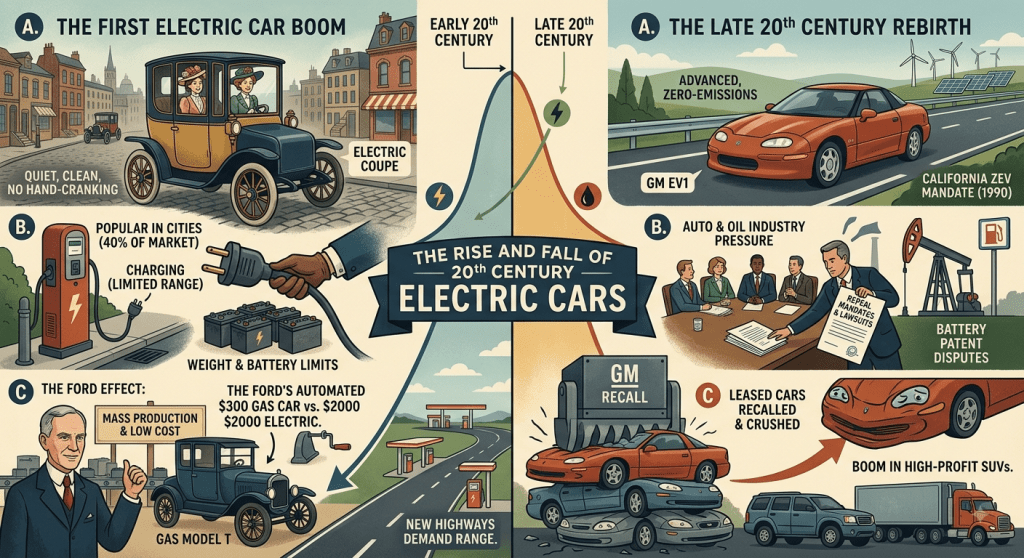
At both the start and the end of the 20th century, electric vehicles (EVs) experienced a booming rise followed by a dramatic decline. Though 80 years apart, both eras ended for surprisingly similar reasons: a mix of technological limitations, market forces, and political maneuvering.
The First Wave: Early 20th Century (1900s–1920s)
At the turn of the 20th century, electric cars weren’t just competitive—they made up nearly 40% of the U.S. automobile market. They were quiet, didn’t emit foul smoke, and didn’t require dangerous hand-cranking to start, making them highly popular for urban driving.
What killed them?
The Electric Starter (1912): Charles Kettering invented the electric self-starter for gas engines. Gasoline cars suddenly became just as easy to start as electric cars, eliminating their primary advantage.
Henry Ford & Mass Production: By setting up assembly-line production for the Model T, Ford brought gas car prices down to around $300 by the 1920s. Meanwhile, electric cars remained hand-built luxury items costing over $2,000.
Road Infrastructure & Oil Discoveries: Massive petroleum discoveries in Texas crashed gas prices. At the same time, states began paving highways between cities. Lead-acid batteries offered only a 30- to 50-mile range and lacked power grid access outside major cities, whereas gas cars could easily drive inter-state.
The Second Wave: Late 20th Century (1990s)
The EV made its return in the 1990s, catalyzed by the California Air Resources Board (CARB) passing the Zero-Emission Vehicle (ZEV) mandate, which forced major automakers to sell electric cars if they wanted to operate in California. This led to GM creating the EV1, alongside response vehicles from Toyota (RAV4 EV), Honda (EV Plus), and Chrysler (EPIC).
What killed them?
Regulatory Pushback & Lawsuits: Automakers, major oil companies, and the federal government aggressively sued CARB. When CARB softened its mandate under pressure, automakers were no longer legally required to sell or lease EVs.
Crushing the Fleets: Automakers offered the EV1 and similar vehicles strictly on closed-end leases. Once the mandate was dismantled, companies like GM recalled nearly every vehicle, despite driver protests, and literally crushed them to avoid liability and maintenance costs for a small production run.
Corporate & Oil Interests: Oil companies lobbied heavily against EV subsidies, and Chevron acquired critical patents on NiMH battery technology, restricting its licensing for large-scale automotive production for years.
Profitable ICE Alternatives: The late 1990s saw an explosive boom in high-margin gas-guzzling SUVs and trucks, making Detroit automakers reluctant to invest heavily in EVs that offered lower long-term profit margins on replacement parts.
The Common Pattern
In both eras, electric vehicles were constrained by battery energy density relative to cheap fossil fuels. However, while the early 20th-century fall was driven mainly by market economics and engineering breakthroughs in gas cars, the late 20th-century collapse was actively accelerated by policy rollbacks and corporate strategy.
Lithium-Ion batteries determined the electric cars’ resurrection in the 21st century
Lithium-Ion technology was the single biggest technological catalyst for the modern EV resurrection, though it succeeded because it collided with the right consumer tech trends, startup culture, and shifting environmental policies.
Why Lithium-Ion Changed Everything
* Massive Energy Density: Compared to lead-acid and NiMH batteries, lithium-ion provided roughly 2x to 3x the energy density by weight and volume. This allowed cars to carry enough energy for 200+ miles of range without becoming too heavy to drive efficiently.
* The Consumer Electronics Boom: Because laptops and smartphones adopted Li-ion in the 1990s and 2000s, mass production scaled up rapidly. This drove down battery production costs drastically year over year.
* No „Memory Effect”: Older battery chemistries degraded if they were recharged before being fully emptied. Lithium-ion handles partial charging cycles seamlessly, matching real-world driving habits.
The Catalysts That Made It Work Battery tech alone wasn’t enough; three other factors enabled the comeback:
* The Silicon Valley Proof-of-Concept: Early startups like Tesla realized they didn’t need custom, automotive-grade batteries right away. In 2008, the Tesla Roadster proved the concept by bundling thousands of standard 18650 lithium-ion cells—the exact same batteries used in everyday laptop packs.
* Advanced Computing & Battery Management: Early Li-ion cells were volatile and prone to overheating. Modern microprocessors and complex Battery Management Systems (BMS) made it possible to monitor and cool thousands of individual cells safely in real-time.
* A Change in Target Market Strategy: Early EVs were marketed as small, slow, utilitarian city cars. By using Li-ion batteries, modern automakers flipped the script: they built high-performance, desirable premium vehicles first to absorb the initial high cost of the technology before scaling down to affordable mass-market cars.
This post was made by Gemini A. I. (Except for the introduction)
What’s a moment when you realized you were officially an adult?
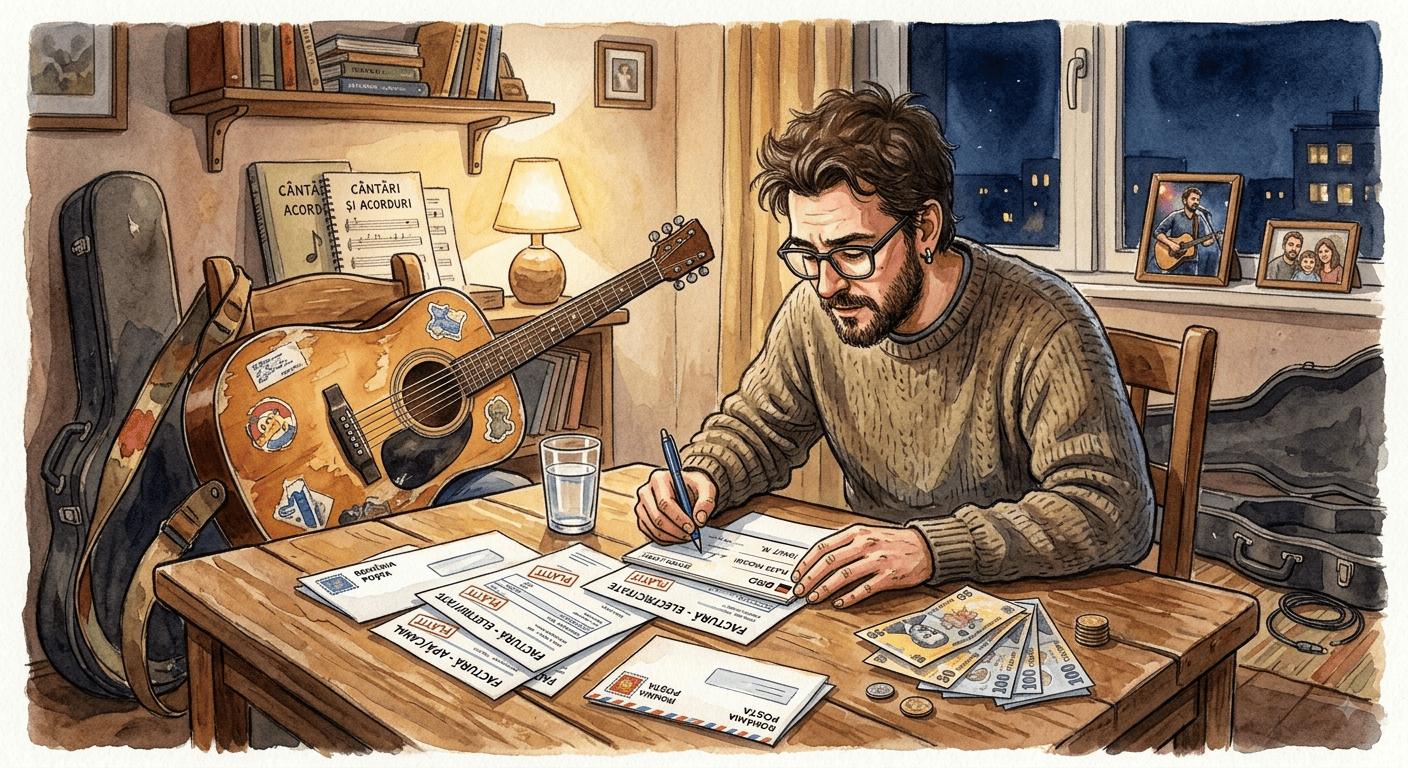
I officially felt like an adult when I had to start paying my utility bills (electricity, natural gas, internet) with the money I earned myself. Of course, at first I did it in a rather unconventional way, which is described very well by the title of a song by the band „Antract”: „The Guitar Will Pay the Bills.”
RO
M-am simțit oficial adult atunci când a trebuit să încep să plătesc facturi la utilități (electricitate, gaz metan, internet) din banii câștigați de mine. Bine-nțeles, la început am făcut-o într-un mod mai neconvențional, descris foarte bine de titlul unui cântec al trupei „Antract” : Chitara va plăti facturi.
My favorite restaurant in Brașov is „Basarabia în bucate, (Basarabia in food)” located on the street leading out of Piața Sfatului (Council Square), next to the former „Cerbul carpatin” (The Carpathian Deer) restaurant. I discovered this place by chance one day when I was showing a friend from Bucharest around my hometown. I was surprised by how well-prepared, plentiful, affordable, and delicious the food was at this Moldovan-style restaurant. The pies also make up a special menu item, which can be eaten there or taken to go. “Basarabia în bucate” is a phrase modeled after the title of a fairy tale by Petre Ispirescu—a classic of Romanian literature—“Sarea în bucate.”(The Salt in food). Just as salt is indispensable in food and provides the final flavor, so too does Basarabia aim to preserve traditions that give dishes a unique flavor. What Romanians call “Bessarabia” is the eastern half of the historic Romanian region of Moldova, which was severed from the territory of the Kingdom of Romania by the USSR in 1940. It overlaps 75% with the territory of the current Republic of Moldova, while the southern and northern parts of historic Bessarabia were inherited by Ukraine from the USSR. Even though Romanians on either side of the Prut River are currently politically divided among three internationally recognized states, Romanian culture and tradition are a shared heritage that can be rediscovered in literature, music, art, and even in… dishes prepared according to ancestral recipes. The simple fact that the Moldovan citizens who run this restaurant chose a .ro domain for the website promoting their business shows that they identify as Romanians just like us, the people of Transylvania.
RO
Restaurantul meu preferat din Brașov este „Basarabia în bucate„, situat pe strada ce iese din Piața Sfatului pe lângă fostul restaurant „Cerbul carpatin”. Am descoperit acest local din întâmplare, într-o zi când o faceam pe ghidul prin orașul meu natal pentru o prietenă venită din București. Am rămas surprins de cât de bine, mult, ieftin și gustos puteai să mănânci la restaurantul cu specific moldovenesc. Plăcintele constituie și ele un meniu aparte, putând fi consumate pe loc sau luate la pachet. „Basarabia în bucate” e o sintagmă calchiată după titlul unui basm de Petre Ispirescu – un clasic al literaturii române -, „Sarea în bucate„. La fel cum sarea în mâncare este indispensabilă și dă gustul final, tot astfel și Basarabia se dorește o păstrătoare a tradițiilor care să dea un altfel de gust mâncărurilor. Ceea ce românii numesc „Basarabia” este jumătatea estică a regiunii istorice române Moldova, care a fost ruptă de URSS în 1940 din teritoriul Regatului României. Ea se suprapune 75% pe teritoriul actualei Republici Moldova, părțile sudice și nordice ale Basarabiei istorice fiind moștenite de Ucraina de la URSS. Chiar dacă românii de pe o parte și alta a râului Prut sunt actualmente despărțiți politic în 3 state recunoscute internațional, cultura și tradiția română sunt o moștenire comună ce se poate redescoperi atât în literatură, muzică, artă, cât și în… bucatele gătite după rețete din străbuni. Simplul fapt că cetățenii moldoveni care administrează acest restaurant au ales un domeniu .ro pentru site-ul care le promovează afacerea arată că ei se identifică drept români la fel ca noi, cei din Transilvania.
If you had a time machine and could send just one message to your past self, what would it say?
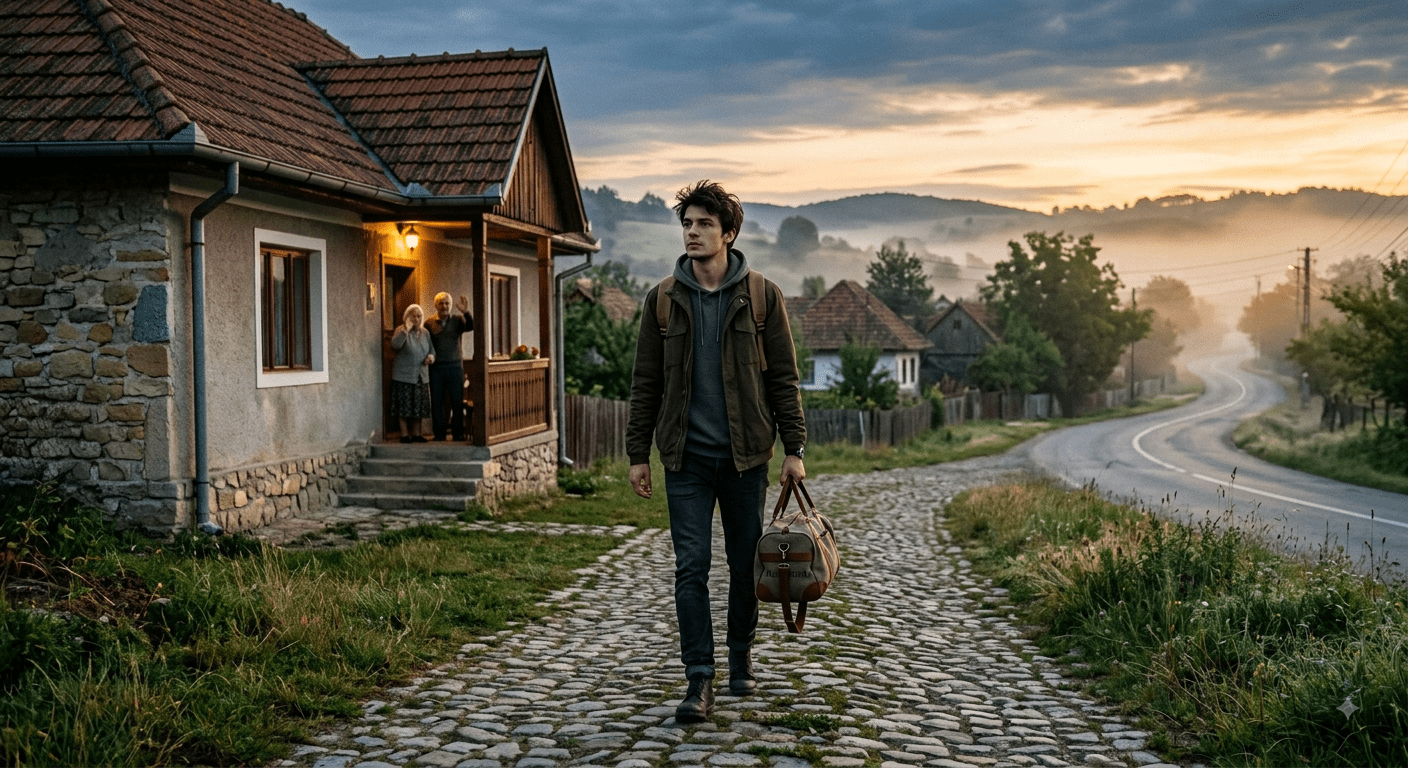
I would tell my past self not to let difficulties get to me and not to leave my hometown or my parents’ home. I base this statement on the hindsight that things weren’t better where I ended up, as I had believed when I left, and it took me much longer to get back on my feet than it would have if I had continued on the path I was on when I left. A Romanian proverb sums up my situation very well: “If youth had wisdom and old age had strength…”
RO
Mi-aș transmite mie însumi să nu mă las influențat de greutăți și să nu îmi părăsesc orașul natal, nici casa părintească. Îmi bazez afirmația pe constatarea retroactivă că acolo unde am ajuns nu mi-a fost mai bine, așa cum credeam când am plecat, și că mi-a luat mult mai mult timp să ajung din nou pe linia de plutire decât dacă aș fi continuat pe linia pe care eram la plecare. Un proverb românesc sintetizează foarte bine situația mea: „Dacă tinerețea ar avea înțelepciune și bătrânețea, putere”…
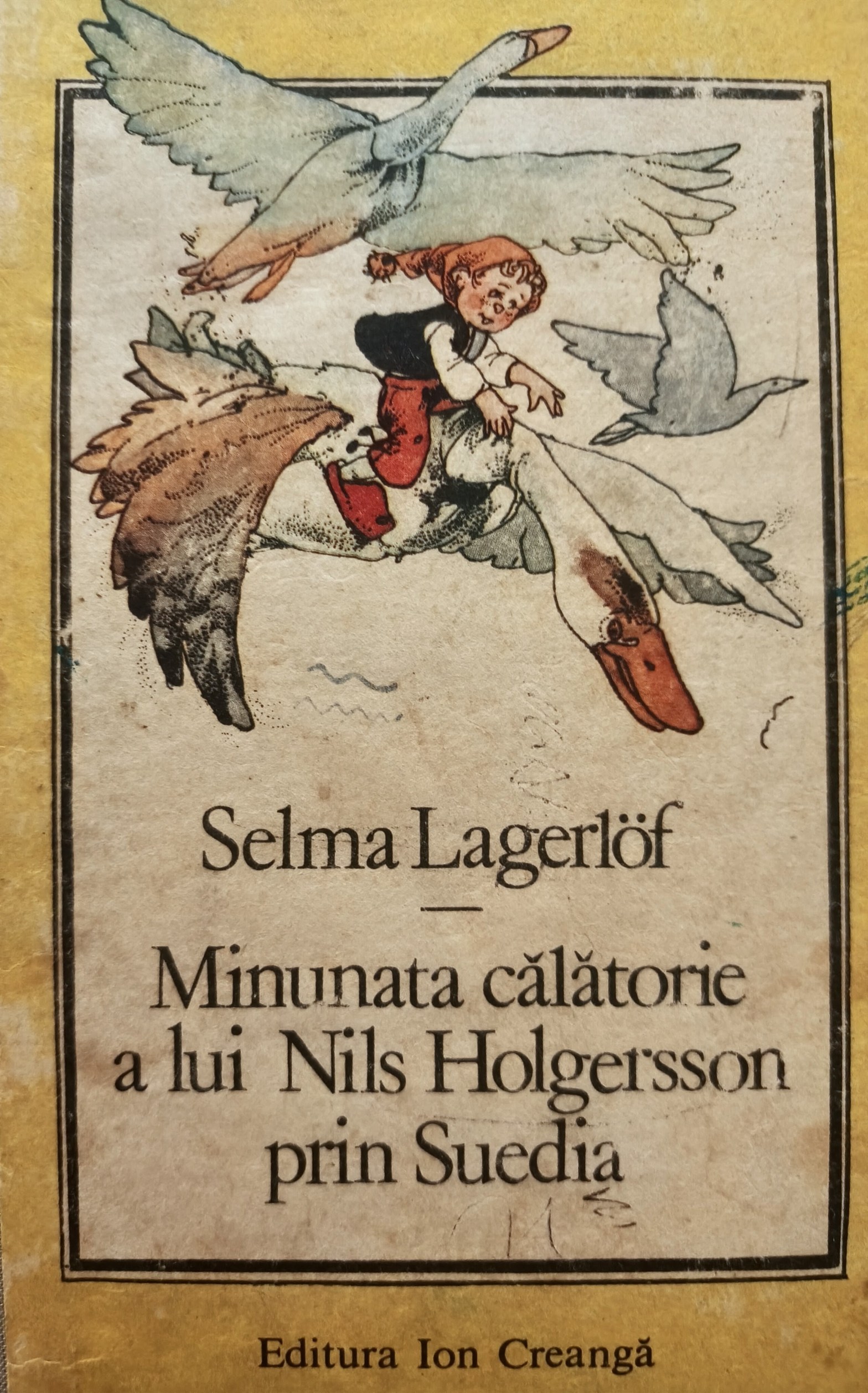
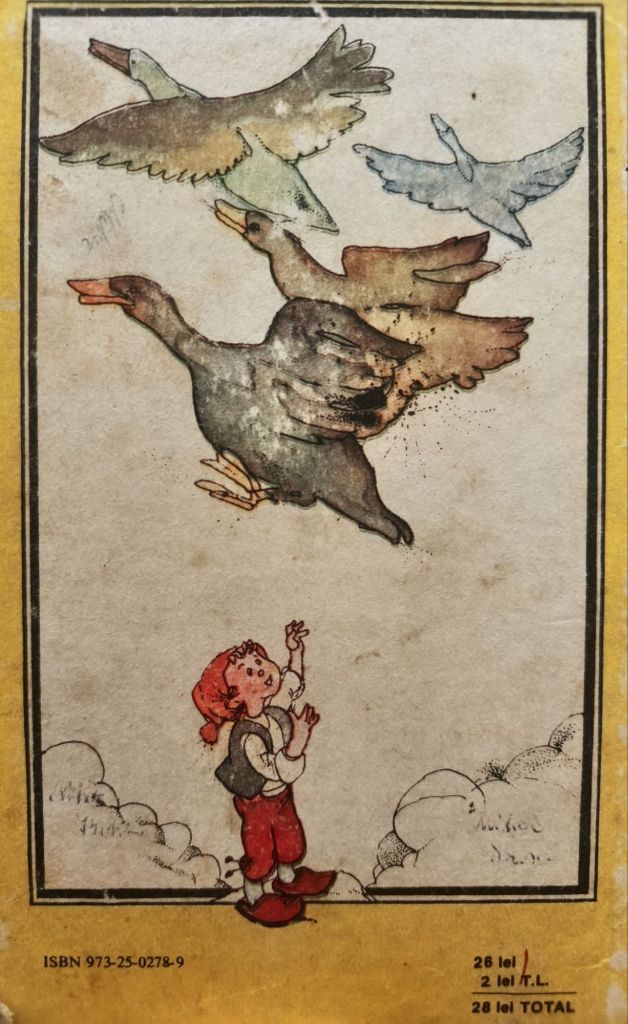
I would love to have dinner with Selma Lagerlöf so we could talk about fiction, geography, and travel. I base my choice on the fact that I’d rather have a lady for dinner than a gentleman, and on the fond childhood memories brought to me by her most famous character, Nils Holgersson, who made his way all the way to Transylvania both through the cathode-ray tube television and through the book as thick as a Bible, which I read with passion when I was in elementary school. I’d love to discover Ms. Lagerlöf’s personality, her way of speaking—not just writing—and her culinary preferences.
RO
Mi-ar plăcea să iau cina împreună cu Selma Lagerlöf ca să povestim împreună despre ficțiune, geografie și călătorii. Îmi bazez alegerea pe faptul că prefer să am la cină mai degrabă o doamnă decât un domn și pe amintirile plăcute pe care mi le-a provocat în copilărie personajul ei cel mai cunoscut, Nils Holgersson, care a ajuns până în Transilvania atât prin „cutia” televizorului cu tub catodic, cât și prin cartea groasă cât o Biblie, pe care am citit-o cu pasiune pe când eram elev de școală primară. Mi-ar plăcea să descopăr firea doamnei Lagerlöf, felul său de a vorbi – nu numai de a scrie – și preferințele ei culinare.
What’s a moment when a stranger completely restored your faith in people?
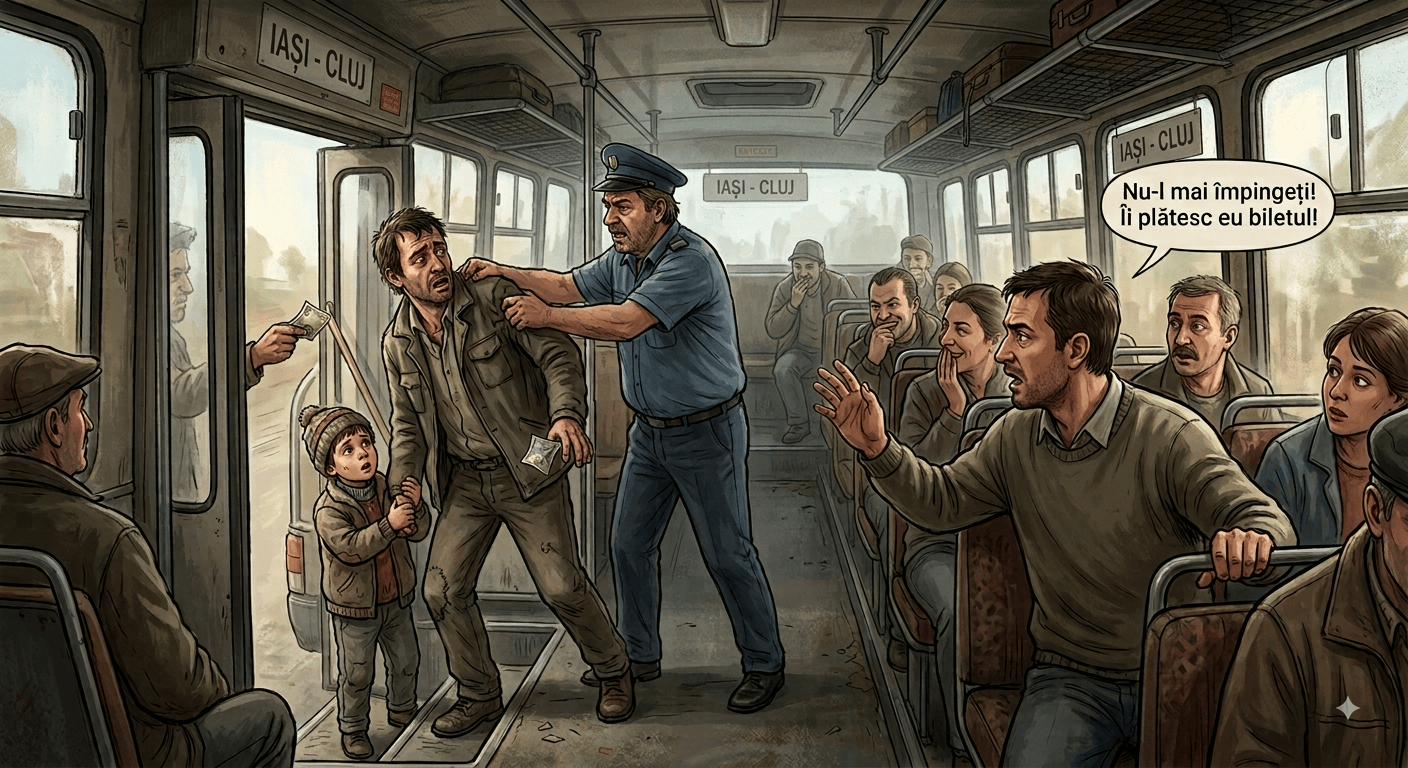
I was traveling back to Transylvania from Moldavia by bus, and at a stop along the way, a poor man got on, accompanied by a child. When the driver came down the aisle to collect fare from the new passengers, the poor man tried to bribe the driver—that is, to convince him to accept a smaller amount of money, which the driver could pocket, in exchange for waiving the fare. The poor man’s child, who was under 5 years old, would have been eligible to ride for free. The driver refused the bribe and began pushing the poor man toward the bus’s exit door, while the man insisted he had no more money than what he had already given the driver. During this scene, the other passengers—who could have pooled their money, each contributing a small amount to cover the full cost of a ticket—were making jokes at the poor man’s expense and didn’t care that the child was listening, exposed to his father’s public humiliation. At the last moment, a random man called out to the driver: “Stop pushing the poor man around—I’ll pay for his ticket!” Later, upon receiving effusive thanks, the benefactor did not boast about his deed, but explained that, in the course of his travels, he had earned an amount of money equivalent to the poor man’s fare and that it seemed immoral to him to keep the surplus in his wallet, while a person in need was being “robbed blind” for that same amount. So he chose to use the money he had personally earned to benefit the community.
RO
Călătoream înapoi spre Transilvania din Moldova cu autocarul și, la o stație de pe parcurs, s-a urcat un om sărac, care avea și un copil cu el. Când șoferul a venit pe culoar să ceară banii de bilet călătorilor nou-urcați, săracul a încercat să îl mituiască pe șofer, adică să îl convingă să îi dea o sumă mai mică de bani pe care să o bage în propriul buzunar pentru a-l ierta de prețul biletului. Copilul săracului, fiind în vârstă de până în 5 ani, ar fi beneficiat de gratuitate. Șoferul nu a acceptat mita și a început să îl împingă pe sărac spre ușa de ieșire din autocar, în timp ce bărbatul susținea că nu are mai mulți bani decât îi dăduse conducătorului auto. În timpul acestei scene, ceilalți călători, care ar fi putut face chetă să dea fiecare o sumă infimă de bani și să strângă în total costul unui bilet întreg, făceau glume pe seama săracului și nu se sinchiseau de faptul că și copilul le auzea, fiind expus la umilirea publică a tatălui său. În ultima clipă, un bărbat oarecare i-a strigat șoferului: „Nu-l mai împingeți pe bietul om, lăsați că îi voi plăti eu biletul!”. Mai târziu, primind mulțumiri elogioase, sponsorul nu s-a mândrit cu fapta lui, ci a argumentat că, în drumurile sale, câștigase o sumă de bani echivalentă cu prețul biletului săracului și că i s-a părut imoral ca el să stea cu surplusul în portofel, în timp ce unui nevoiaș i se „scoteau ochii” pentru exact aceeași sumă. Așa că a ales să valorifice banii câștigați personal întru atingerea unui beneficiu comunitar.