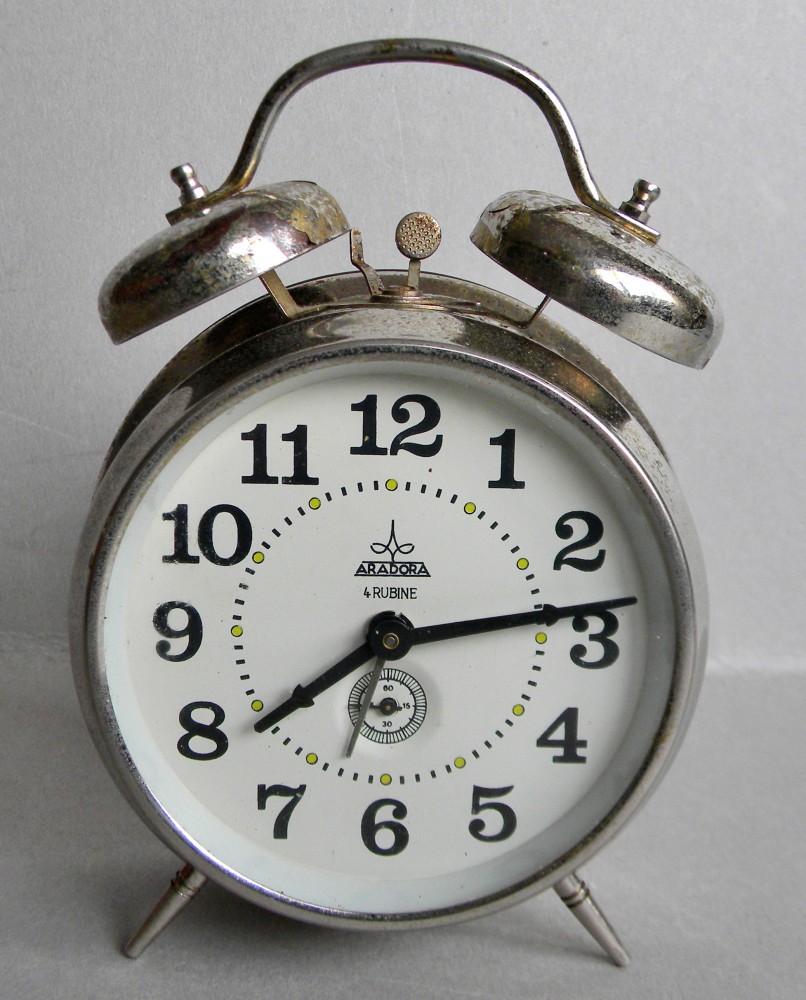
If your future self could send you one sentence, what do you hope it would say?
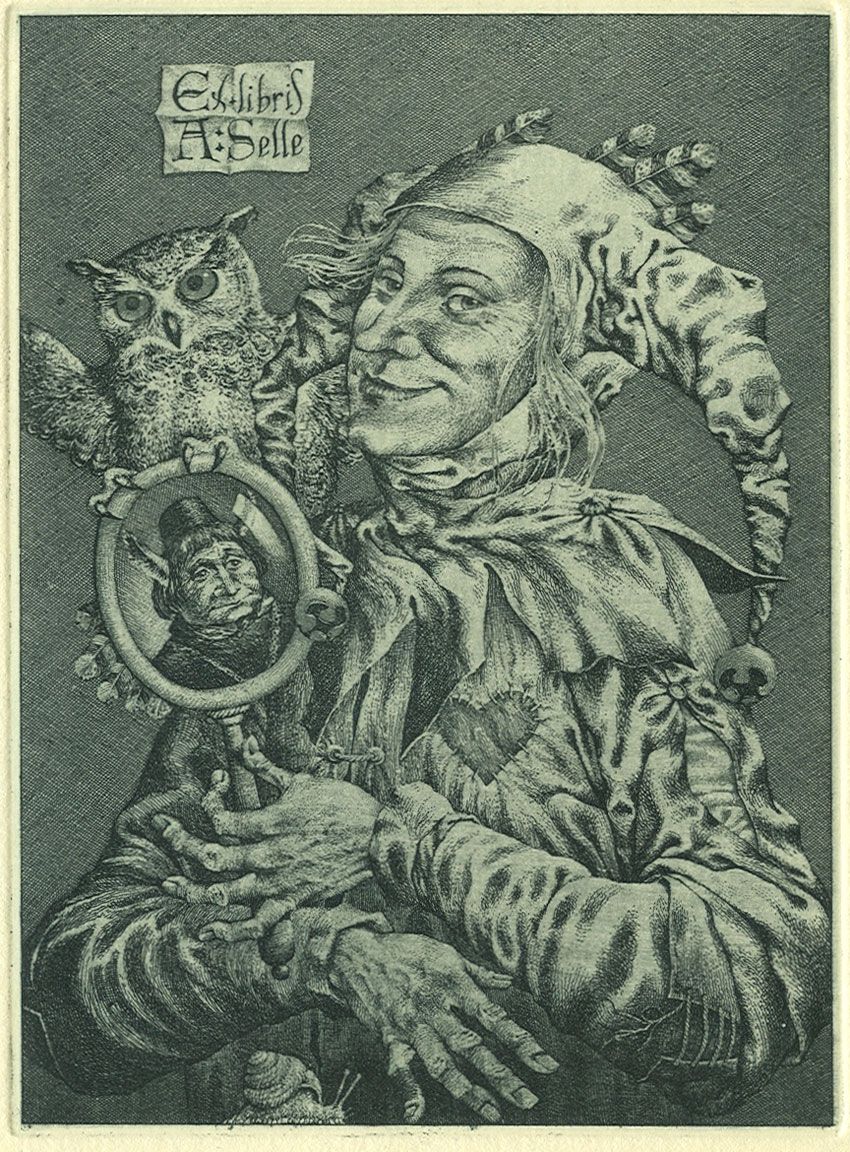
Many times in life, looking back on the decisions I’ve made, I’ve exclaimed, “What a fool I was!” Because I’ve said this so often, the people around me have started to bring it up as a precaution, warning me: “Don’t go overboard this time, or you’ll end up saying ‘What a fool I was!’ all over again.” Well, if I were to receive a message from my future self, I’d want it to go something like this: “You weren’t fool till the end!”…
RO
De foarte multe ori în viață, privind înapoi la deciziile luate, am exclamat: „Ce prost am fost!”. Pentru că am rostit exclamația asta de multe ori, cei din jurul meu au început să mi-o menționeze preventiv, punându-mă în gardă: Nu te mai avânta și de data asta, ca să nu spui iarăși „Ce prost am fost!”. Ei bine, dac-ar fi să primesc un mesaj de la sinele meu din viitor, mi-aș dori ca acela să sune astfel: „N-ai fost prost până la capăt!”…
What’s the best local dish you’ve ever eaten while traveling?
It was one summer, at a small castle in the south of France, where we ate seafood at the invitation of friends of a Frenchman living in Transylvania, who ran a Franco-Romanian friendship association through which he organized cultural activities, literary contests, and, sometimes, trips to France for young French-speaking Romanians. The castle had only one level—the ground floor—but we had dinner outside, in the garden. It was the first and last time I ever ate seafood (various small crustaceans, clams, shrimp, and the like). Even more intriguing than the names and origins of those small, meaty marine creatures were the various pieces of silver cutlery, the proper use of which I didn’t know. I’d be lying if I said I ate with my hands, but that’s pretty much what I felt like doing in the face of such complexity. The food, however, was unexpectedly good, and the Franco-Romanian who had brought me to the south of France said he was pleased that, ever since the Carrefour supermarket chain had opened in Romania, he could finally enjoy such quintessentially French delicacies in Transylvania as well.
RO
Era într-o vară, la un mic castel din sudul Franței, unde am mâncat fructe de mare la invitația prietenilor unui francez stabilit în Transilvania, care avea o asociație de prietenie franco-română prin intermediul căreia desfășura activități culturale, concursuri literare și, uneori, excursii în Franța pentru tinerii români francofoni. Castelul avea un singur nivel, parterul, dar cina am luat-o afară, în grădină. A fost pentru mine prima și ultima dată când am mâncat fructe de mare (diferite crustacee mici, scoici sau creveți și altele asemenea). O curiozitate mai mare decât denumirea și originea micilor organisme marine cărnoase erau feluritele tacâmuri de argint, a căror regulă de întrebuințare nu o cunoșteam. Aș minți dacă aș spune că am mâncat cu mâna, dar cam asta îmi venea să fac în fața unui astfel nivel de complexitate. Mâncarea a fost, însă, neașteptat de bună, iar franco-românul care mă adusese în sudul Franței se declara mulțumit că, de când se instalase lanțul de supermarketuri Carrefour și în România, putea în sfârșit să mănânce astfel de bunătăți specific franțuzești și în Transilvania.
I wish schools would teach students not only theoretical knowledge, but also things that help them grow into well-rounded individuals. They should shape not only minds, but also character. Self-control is a virtue that can protect you from many excesses in life. If you have self-control, you won’t want to earn or possess more than you can manage. Self-control can also help you pace your study time: forcing yourself to work when you have time but don’t feel like it, so you don’t end up having to make a Herculean effort when you do feel like it but don’t have much time left. Self-control can also teach you, as an adult, not to work for money beyond what your body can handle—in other words, to avoid getting sick in the long run. Self-control can help you avoid the pitfalls of consumerism and consumer society by teaching you to shop based on your needs and financial limits, rather than on your moods or trends promoted by the media or online influencers. Of course, self-control can also be a great help when it comes to romantic relationships or any other pleasures, helping you not to rush into things when you can’t handle the responsibility, and not to shy away from responsibility once you’ve committed to a path that involves someone other than yourself.
Most likely, self-control can be cultivated in school through physical education (sports), martial arts, philosophy classes, religion and spirituality classes, homeroom sessions with thematic discussions, and team games. But these can only serve as guidelines and starting points from which each student can look within and examine their strengths to discover their own abilities and limitations.
Later, after leaving school, self-control and discipline can be cultivated during a few months of military service, but that’s another discussion. In any case, the military can also serve as a school for those who wish to join or at least undergo a minimal period of training. For others, volunteering and getting involved in various social causes—even community service—can be at least a partial alternative to universal military service.
Finally, earning one’s own money through employment and managing financial resources to support oneself from one month to the next is the best school for self-discipline, but this is no longer the domain of public schools; rather, it falls under the “school of life” or, as the case may be, the school of the family.
In conclusion, self-control should be a discipline that accompanies us throughout our entire lives, but for that to happen, its foundations should be laid as early as elementary school.
RO
Mi-aș dori ca școala să îi învețe pe elevi nu numai cunoștințe teoretice, ci și lucruri care să îi educe să fie oameni. Să formeze nu doar creiere, ci și caractere. Autocontrolul este o virtute care te poate feri în viață de foarte multe excese. Dacă ai autocontrol, nu îți dorești să câștigi sau să posezi mai mult decât poți să administrezi. Autocontrolul te poate ajuta și să îți dozezi timpul de învățare: să te silești să lucrezi atunci când ai timp, dar n-ai chef, ca să nu ajungi la un efort spartan atunci când ai chef, dar nu mai ai prea mult timp. Autocontrolul te poate învăța și ca adult să nu lucrezi pentru bani mai mult decât poate corpul tău să ducă, adică să eviți pe termen lung îmbolnăvirea. Autocontrolul te poate ajuta să eviți capcanele consumerismului și ale societății de consum, învățându-te să îți faci cumpărăturile în funcție de nevoi și de limita resurselor financiare, nu în funcție de stările de spirit și tendințele induse de mass-media sau influencerii de pe Internet. Bine-nțeles, autocontrolul poate fi de mare ajutor și în materie de amor sau de orice alte plăceri, ajutându-te să nu te arunci înainte atunci când nu poți duce răspunderea, și să nu te tragi înapoi de la răspundere odată ce te-ai înhămat la un drum care implică și pe altă persoană în afară de propria persoană.
Cel mai probabil, autocontrolul poate fi cultivat în școală prin educație fizică (sport), arte marțiale, ore de filosofie, ore de religie și spiritualitate, lecții de dirigenție cu discuții tematice și jocuri de echipă. Dar acestea nu pot fi decât niște repere și puncte de plecare pornind de la care fiecare elev își poate sonda interiorul și scruta puterile pentru a își descoperi propriile capacități și limite.
Ulterior, după ieșirea de pe băncile școlii, autocontrolul și disciplina pot fi cultivate de-a lungul câtorva luni de stagiu militar, dar asta e o altă discuție. În orice caz, și Armata poate fi o școală pentru cei care doresc s-o urmeze sau măcar să petreacă un timp de instrucție minimală. Pentru ceilalți, voluntariatul și implicarea în diverse cauze sociale – chiar și munca în folosul comunității – pot fi o alternativă măcar parțială la stagiul militar universal.
În fine, câștigarea propriilor bani prin angajarea la un loc de muncă și gospodărirea resurselor financiare pentru a ajunge propriei întrețineri de la o lună la alta constituie cea mai bună școală a autocontrolului, dar asta deja nu mai este de domeniul școlilor de stat, ci ține mai degrabă de „școala vieții” sau, după caz, de școala familiei.
În concluzie, autocontrolul ar trebui să fie o disciplină care să ne însoțească de-a lungul întregii vieți, dar, pentru asta, bazele ei ar trebui puse încă de pe băncile școlii.
Share a photo of your pet and tell us one thing that makes them uniquely them.
Bobeetza was a small dog who spent a lot of time outside, wandering among the apartment buildings or around the taxi and bus station. With his short legs and the build of a walking 2-liter bottle, when he lay stretched out on the asphalt, it looked as if he were leaning on his own penis. In fact, Bobeetza was a hopeless romantic, willing to die for every female dog in the neighborhood. One day, he ran past a female dog in heat, whom he’d been chasing from a distance greater than the length of the stick her owner was holding, until—still running with his head turned backward—he crashed into the wheel of a car parked at the edge of the alley. Of course, he thought the mean man had done something to him in revenge for chasing his little dog, not realizing that he himself was the one who had hurt himself.
Bobeetza’s funniest mistake was that he could be just as amorous even without a female dog around: he tried to mate with her owners’ throusers. Once, he followed the woman who was the puppy’s owner until he ended up getting on the bus after her. Later on, he chased after the dog’s male owner, who was riding a bicycle, running alongside the bike for nearly a bus stop’s length. All this while that little dog, his imaginary girlfriend, was left at home.
Bobeetza wasn’t discouraged by his romantic setbacks: he always strove to be even more persistent the hundredth time, even if he’d been rejected 99 times. Because hope never dies.
RO
Bobiță era un câine de talie mică, ce petrecea mult timp pe-afară, printre blocuri sau prin stația de taxiuri și autobuze. Având picioare mai scurte și conformația de sticlă de 2 litri umblătoare, când stătea lungit pe asfalt aveai senzația că se sprijinea in propriul penis. De altfel, Bobiță era un mare îndrăgostit, fiind capabil să se omoare pentru cățelușe. Într-o zi, a alergat pe lângă o cățea aflată în călduri, pe care o urmărea de la o distanță mai mare decât lungimea bățului din mâna stăpânului ei, până când, tot alergând cu capul întors înapoi, s-a bușit cu corpul de roata unei mașini parcate la marginea aleii. Bine-nțeles, a crezut că omul cel rău i-a făcut ceva drept răzbunare pentru că îi urmărea cățelușa, nedându-și seama că el singur era cel care se autoflagelase.
Cea mai comică eroare a lui Bobiță era că putea fi la fel de iubăreț și în lipsa unei cățelușe: încerca să se iubească cu pantalonii stăpânilor ei. O dată, pe femeia care era stăpâna cățelușei a urmărit-o până a ajuns să se urce în autobuz după ea. Altă dată, pe bărbatul care era stăpânul cățelușei – și care era biciclist – l-a urmărit alergând după bicicletă cale de aproape o stație de autobuz. Toate astea în timp ce acea cățelușă, iubita lui imaginară, era lăsată acasă.
Pe Bobiță înfrângerile în dragoste nu-l dezamăgeau: mereu se străduia să fie și mai insistent a suta oară, chiar dacă primise 99 de respingeri. Pentru că speranța nu moare niciodată.
What’s the best piece of advice you’ve ever received?
The best advice I ever received, back when I was young and eager to make my mark as a writer, was to read more than I wrote: to read the works of the classics to enrich my vocabulary, and to read the works of established contemporary writers to keep up with current trends. Then, to put my own thoughts down on paper, without trying to copy or let myself be influenced by the works I had read previously, but with a store of old words and ideas at my disposal that would serve as fertile ground for my new, original ideas. At first, I thought this advice was meant to distract me from what I wanted most to do—namely, to write as much as possible and express myself. Now, looking back, I can compare the style I used when I first started writing—back when I hadn’t read much of anyone else’s work—with the richer style I developed later, as I nourished myself with increasingly substantial reading. I don’t think that Step 1 (assimilating great literary works) should inhibit Step 2 (creating new literary works). They can coexist naturally, complementing each other in doses and proportions that each person is free to determine as they see fit. My advice would be quite simple: whether you are writers yourselves or not, never stop being curious and reading the works of as many writers as possible. Because when curiosity dies, creativity dies too.
RO
Cel mai bun sfat pe care l-am primit, pe când eram tânăr și dornic de afirmare în mânuirea condeiului, a fost să citesc mai mult decât să scriu: să citesc operele scriitorilor clasici pentru a îmi îmbogăți vocabularul și să citesc operele scriitorilor contemporani consacrați pentru a mă ține la curent cu mersul lucrurilor. Apoi, să îmi aștern pe hârtie propriile gânduri, fără să încerc să copiez sau să mă las influențat de operele citite anterior, dar având la îndemână un bagaj de cuvinte și idei vechi care vor fi un sol fertil pentru ideile mele noi, originale. La început, am crezut că acest sfat era menit să mă distragă de la ceea ce îmi doream cel mai mult să fac, adică să scriu cât mai mult și să mă exprim pe mine însumi. Acuma, privind înapoi, pot compara stilul în care scriam la început, când nu citisem mai nimic din operele altora, cu stilul îmbogăți pe care îl dezvoltasem mai târziu, pe măsură ce mă hrăneam cu lecturi din ce în ce mai consistente. Nu cred că pasul 1(al asimilării marilor opere literare) ar trebui să inhibe pasul 2 (cel al creării de opere literare noi). Ele pot coexista firesc, completându-se în doze și proporții pe care fiecare e liber să și le stabilească după pofta inimii. Sfatul meu ar fi unul mai simplu: indiferent dacă sunteți la rândul vostru scriitori sau nu, să nu încetați niciodată să fiți curioși și să citiți operele cât mai multor scriitori. Pentru că atunci când curiozitatea moare, și creativitatea moare.
What’s something you used to worry about but don’t anymore?
In the past, I used to worry about how others perceived me. I admit that this was a concern I inherited from my school days, when I had to be careful not to upset my teachers and to please my parents. But as I grew older and my personal convictions began to take precedence over social pressures, I learned to be myself and to stop caring about how others see me. I admit, it wasn’t just my love for truth and sincerity that made me become unfiltered, but also the observation that the bravest or most vocal people are more readily accepted by society, regardless of whether they’re right or wrong. And since it’s not fair for that to work only for some, it had to be the same for me, too.
RO
În trecut, îmi făceam griji în legătură cu felul în care mă percepeau ceilalți. Recunosc că aceasta era o grijă moștenită din școală, când trebuia să fiu atent să nu-i supăr pe profesori și să-mi mulțumesc părinții. Dar, pe măsură ce am înaintat în vârstă și convingerile personale au început să prevaleze față de presiunile sociale, am învățat să fiu eu însumi și să nu-mi mai pese cum mă privesc ceilalți. Recunosc, nu doar dragostea pentru adevăr și sinceritate m-au făcut să devin o fire necenzurată, ci și observația că cei mai curajoși sau vocali sunt mai repede acceptați de societate, indiferent dacă au sau nu dreptate. Și, cum nu-i corect ca asta să funcționeze doar pentru unii, a trebuit să fie la fel și pentru mine.
What’s a quote that perfectly describes your outlook on life?
„Juris praecepta sunt haec: honeste vivere, alterum non laedere, suum cuique tribuere” (Ulpian).
„The basic principles of law are: to live honestly, not to harm other people, and to give everyone their due”. (Ulpian)
These three basic rules seem simple and concise, but almost all conflicts between people stem from breaking them: if you don’t live honestly, you harm others who suffer as a result of your lack of integrity. If you harm others, it’s clear that you’re not giving them what they’re entitled to. If you don’t give everyone their due, you turn those you’ve cheated into enemies.
Conversely, if you give everyone their due, it means you owe nothing to others, and they have no reason to quarrel with you. If you do not harm others, it means you live in peace with the community to which you belong: others do not suffer because of you, so they have no reason to cause you trouble in return. And living honestly means living off the money you’ve earned through your own work—that is, not being a burden to others, thus not harming them, and having the means to give everyone their due.
Unfortunately, we live in a society where many people take more than their fair share, and many consider themselves more important or special than others. This kind of behavior gives rise to discontent and unhappiness. People who don’t live in balance may complain that the world is being unfair to them, but in reality, the world is simply mirroring their own attitude back at them.
Even if everyone were to violate these three principles, there is still one reason why I would follow them: to have a clear conscience that I’ve done everything in my power to live in harmony with others, regardless of whether they value harmony and honesty or not.
RO
„Preceptele dreptului sunt acestea: să trăiești cinstit, să nu dăunezi altuia, să dai fiecăruia ceea ce i se cuvine” (Ulpian).
Aceste 3 reguli de bază par simple și succinte, dar din încălcarea lor derivă mai toate conflictele dintre oameni: dacă nu trăiești cinstit, îi păgubești pe ceilalți oameni care au de pierdut de pe urma lipsei tale de corectitudine. Dacă îi păgubești pe ceilalți oameni, e clar că nu le dai ceea ce li se cuvine. Dacă nu dai fiecăruia ceea ce i se cuvine, îi transformi pe cei păgubiți de tine în dușmani.
În mod invers, dacă dai fiecăruia ce este al său înseamnă că nu ai datorii la alții și nici ei nu au motive să se certe cu tine. Dacă nu dăunezi celorlalți înseamnă că trăiești în pace cu comunitatea din care faci parte: ceilalți nu suferă de pe urma ta, prin urmare nu au de ce să îți cauzeze la rândul lor neplăceri. Iar a trăi cinstit înseamnă a trăi din banii câștigați prin munca ta, adică a nu le fi celorlalți o povară, deci a nu le dăuna celorlalți și a avea de unde să dai fiecăruia ceea ce i se cuvine.
Din păcate, trăim într-o lume în care mulți se întind mai mult decât le este limita și mulți se consideră mai importanți sau speciali decât ceilalți. Din acest tip de comportament apar nemulțumirile și neplăcerile. Oamenii care nu trăiesc echilibrat se pot plânge că lumea e rea cu ei, dar, de fapt, lumea le întoarce propria lor atitudine.
Chiar dacă toți oamenii ar încălca aceste trei principii, încă există un motiv pentru care eu le-aș aplica: pentru a avea conștiința împăcată că am făcut tot ce a depins de mine pentru a trăi în armonie cu ceilalți, indiferent dacă ei preferă armonia / cinstea sau nu.
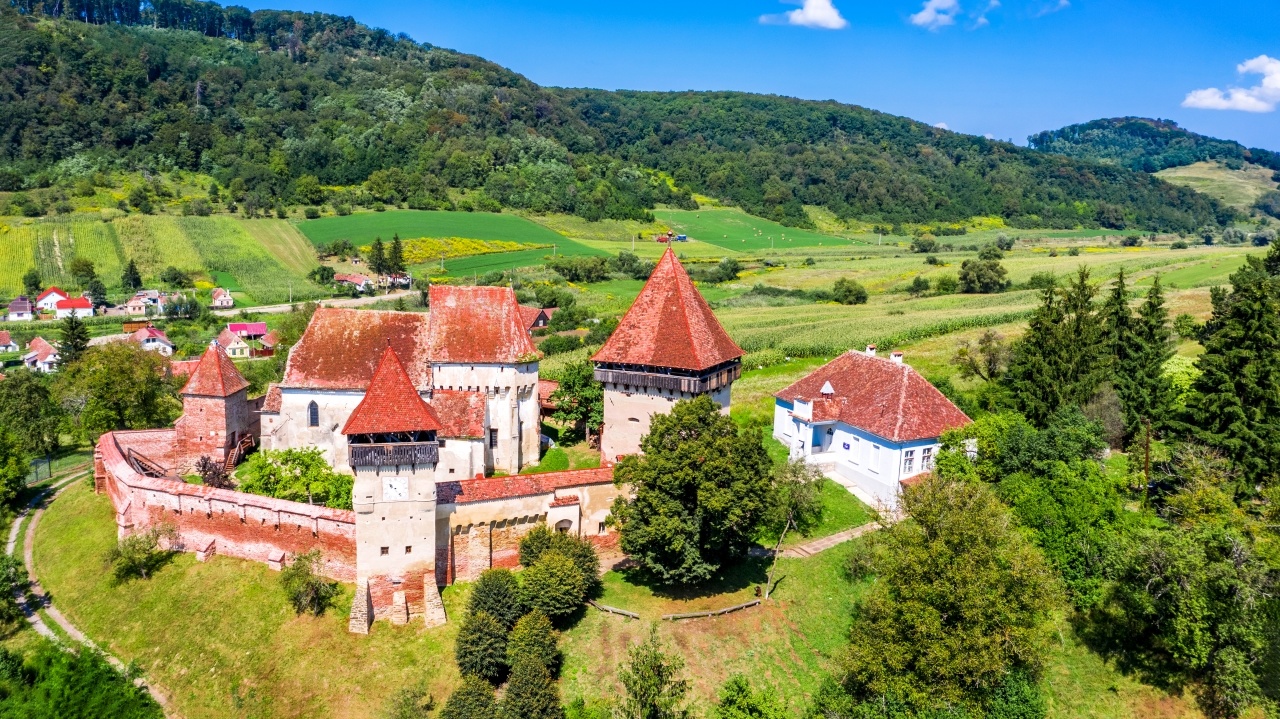
Mediaș for its historic buildings, traditional wines and folk music festival.
Alba Iulia for its magnificent citadel, imposing cathedrals and national ceremonies.
Cluj-Napoca for its cultural life, historic buildings, renowned university, and the haunted ‘Baciu’ forest.
Craiova for the Romanescu Park, the historic center, the old churches, and the friendliest train station in Romania. During the summer, you can attend the ‘Adrian Păunescu‘ Folk & Poetry Festival, and during the winter, the most beautiful and open-air Christmas market in Romania.
Bucharest for its nightlife, theatres, the Old Town, the People’s Palace (the Parliament building), the National Cathedral, the Romanian Athenaeum, the University and the nearby statues, the ‘Bellu’ cemetery and the ‘urban delta.’
This is a subjective and non-exhaustive list; the tourist destinations are not listed in order of importance or prestige. It would be best to read a little about each city or region and decide for yourself which ones you find most appealing.
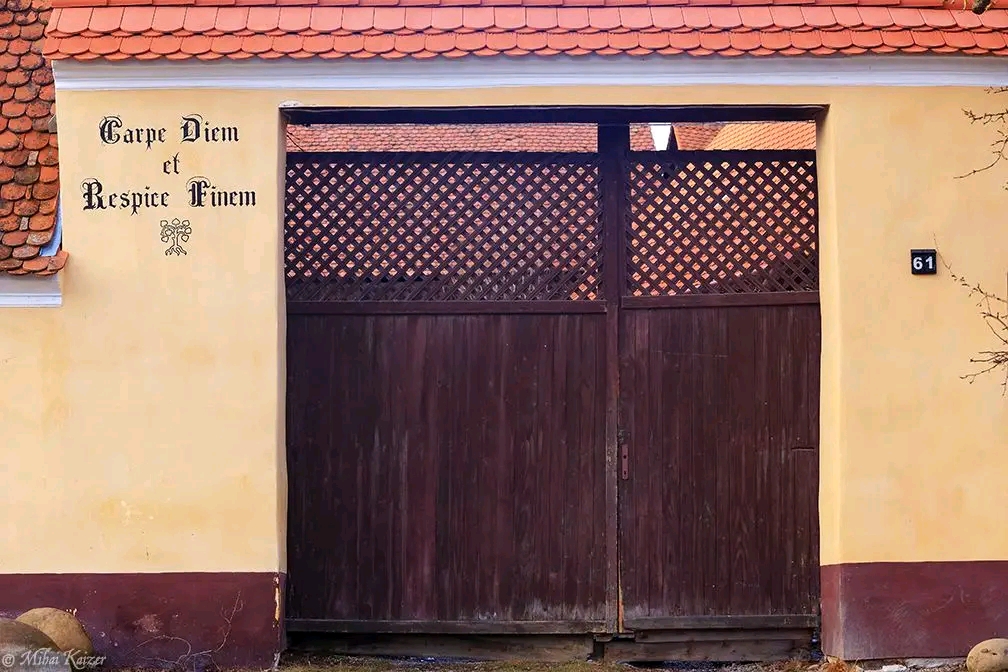
| Words written on a gate of a house built in Viscri (Brașov, Transylvania, România) by Michael Fernolend in 1840 and renovated in 2014 by Dietmar Gross, as an incription on the facade says. The words represent two different sayings taken from different (con)texts: the well-known „Carpe Diem” taken from the Roman poet Horace’s work „Odes” I, 11, 8 (23 BC): „Carpe diem, quam minimum credula postero” (~ „Seize the day and trust, as little as you may, in tomorrow”) and „Respice finem” that apparently appears in the 103th chapter of „Gesta Romanorum” [a collection of anecdotes and tales, compiled in Latin, probably by a priest – at the end of 13th century, beginning of 14th century, first two editions published around 1440 and the third edition, probably based directly on Harleian manuscript 5369 (British Museum), was published by Wynkyn de Worde in 1524. The collection became so popular throughout Western Europe that copies were multiplied, often with local additions, so that now it isn’t possible to determine whether it was originally written in England, Germany, or France.]: „Quidquid agas, prudenter agas, et respice finem” [~ „Whatever you do, do cautiously, and look to the end ((/consider that everything has an end or/and consider the end result of your action))”].||
RO
|| Cuvinte scrise pe poarta unei case construite în Viscri (Brașov, Transilvania, România) de Michael Fernolend în 1840 și renovată în 2014 de Dietmar Gross, așa cum spune o inscripție de pe fațadă. Cuvintele reprezintă două expresii luate din două (con)texte diferite: bine- cunoscutul ”Carpe Diem” ce apare în opera poetului roman Horațiu ”Ode” I, 11, 8 (23 Î.Hr): „Carpe diem, quam minimum credula postero” [~ „Trăiește clipa și încrede-te cât se poate de puțin în ziua de mâine”] și ”Respice Finem” ce apare în capitolul 103 din ”Gesta Romanorum” [o culegere de anecdote și povestiri, scrise în limba latină, cel mai probabil de către un preot către sfârșitul secolului al XIII-lea, începutul secolului al XIV-lea, primele două ediții apărând în jurul anului 1440 și cea de-a treia, bazată cel mai probabil pe manuscrisul Harleian 5369 (aflat în Colecția British Museum), fiind publicată de Wynkyn de Worde in 1524. Colecția a devenit atât de populară în Europa Occidentală încât s-au răspândit multe copii, adesea cu adăugiri locale, încât acum este imposibil de determinat dacă aceasta a fost scrisă prima dată în Anglia, Germania sau Franța]: ”Quidquid agas, prudenter agas, et respice finem” [~ ”Orice ai face, trebuie să faci acest lucru cu precauție, privind către sfârșit (/considerând că totul are un sfârșit sau/și luând în considerare consecințele acțiunilor tale)”].|
If you had to give one life-changing tip, what would it be?
Wake up early in the morning and go to sleep before midnight! This way, you’ll lead a healthier life, and the tasks you need to complete during the day won’t be put off until they interfere with your nighttime rest.