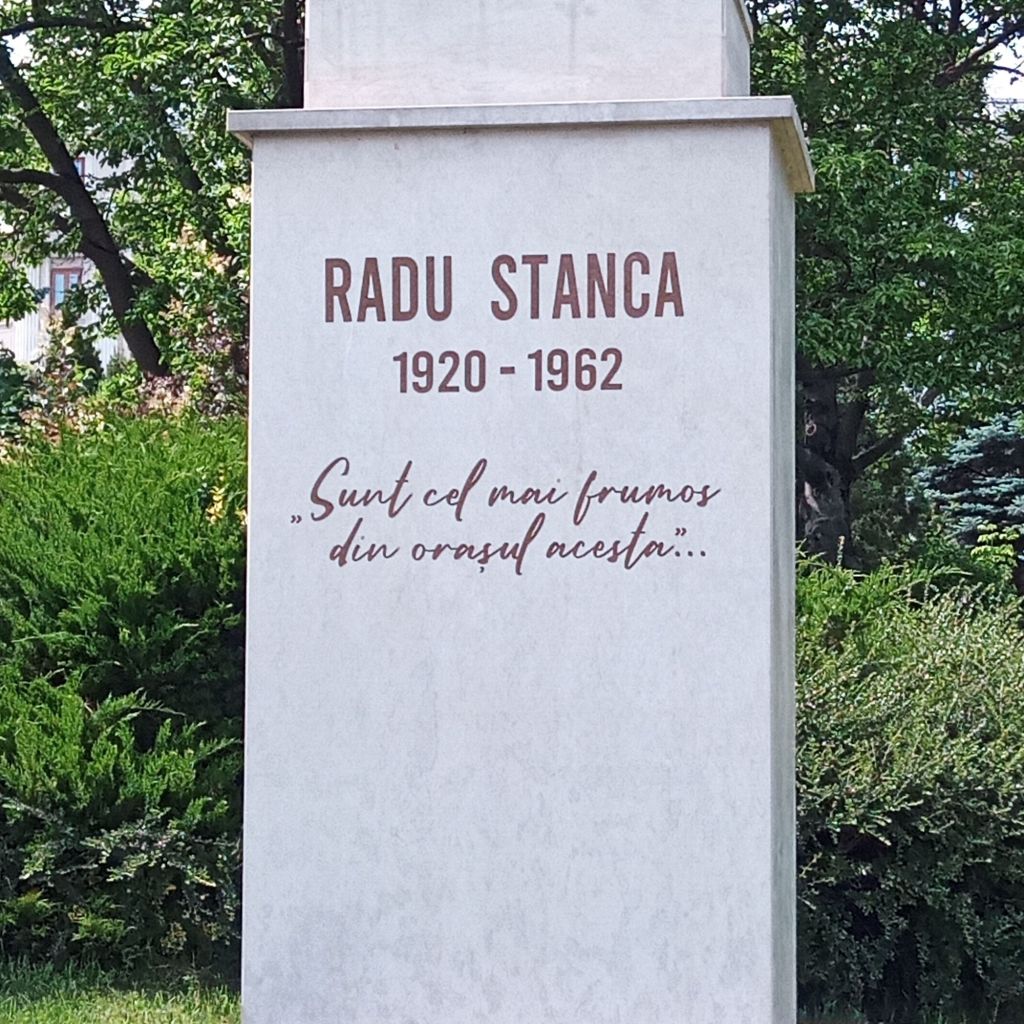
Radu Stanca, the poet who believed he were the most beautiful man in town

Radu Stanca: Poet, playwright, director

In Sibiu, on 31 May 1947, the collective of the Sibiu Theatre staged the play “Păcat de tine, Tony” by Puiu Maximilian, starring young Radu Stanca as Dorel Slăvescu. It was then that the man who has become the patron of the Sibiu Theatre joined the local theatre group.


Radu Stanca (1920-1962), acclaimed playwright, poet, essayist, director, and actor, graduated from the “King Ferdinand” School of Letters and Philosophy in Cluj, with a BA thesis on The Problem of Reading. Starting 1943, he was an assistant professor at the Philosophy Department headed by Lucian Blaga. He was a member of the Sibiu Literary Circle and editor of the magazine Curțile dorului. He won the Sburătorul Prize for his play “Dona Juana” and collaborated with numerous publications of the time, including Tribuna, Contemporanul, Viața românească.


On 13 February 1949, Sibiu saw the premiere of “Căsuța din câmpie” by Samuil Marshak, the first play directed by Radu Stanca alongside technical director Boby Tiberiu, scenographer Olga Muțiu, and actors Angela Păcuraru, Mircea Axente, Virginia Stoicescu, Sabina Mușatescu, Constantin Th. Stănescu, Mircea Hîndoreanu, Septimiu Sever, Nora Vasilescu, Anișoara Dornescu, Eugenia Dimitriu, Nicolae Albani, Vasile Bojescu. Radu Stanca’s works, whether his texts or his stagings, revolutionized theatre; an example to this end is his “A Lost Letter” directed in Sibiu as the first performance in black and white.


He worked as a director of the Sibiu Theatre until 1961, when he left for Cluj-Napoca, where he became the first director of the National Theatre.


Throughout his activity in Sibiu, Radu Stanca was an iconic director who staged numerous productions appreciated by the audience, developed and brought to life a well-oiled theatre group, thus becoming a trailblazer for the exceptional evolution in time of the Sibiu Theatre that now bears his name.
The street with 4 churches

Mitropoliei Street in Sibiu / Hermannstadt is a peculiar street which hosts four churches: The „Holy Trinity” Orthodox Cathedral, The Reformed Church, The „Holy Trinity” Roman-Catholic Church (situated between Piata Mare and Piata Mica – Big Square and Small Square) and Saint Mary Lutheran Cathedral (situated in the Huet Square). Although the last two churches have different addresses, they are united by the same line of the Mitropoliei Street.

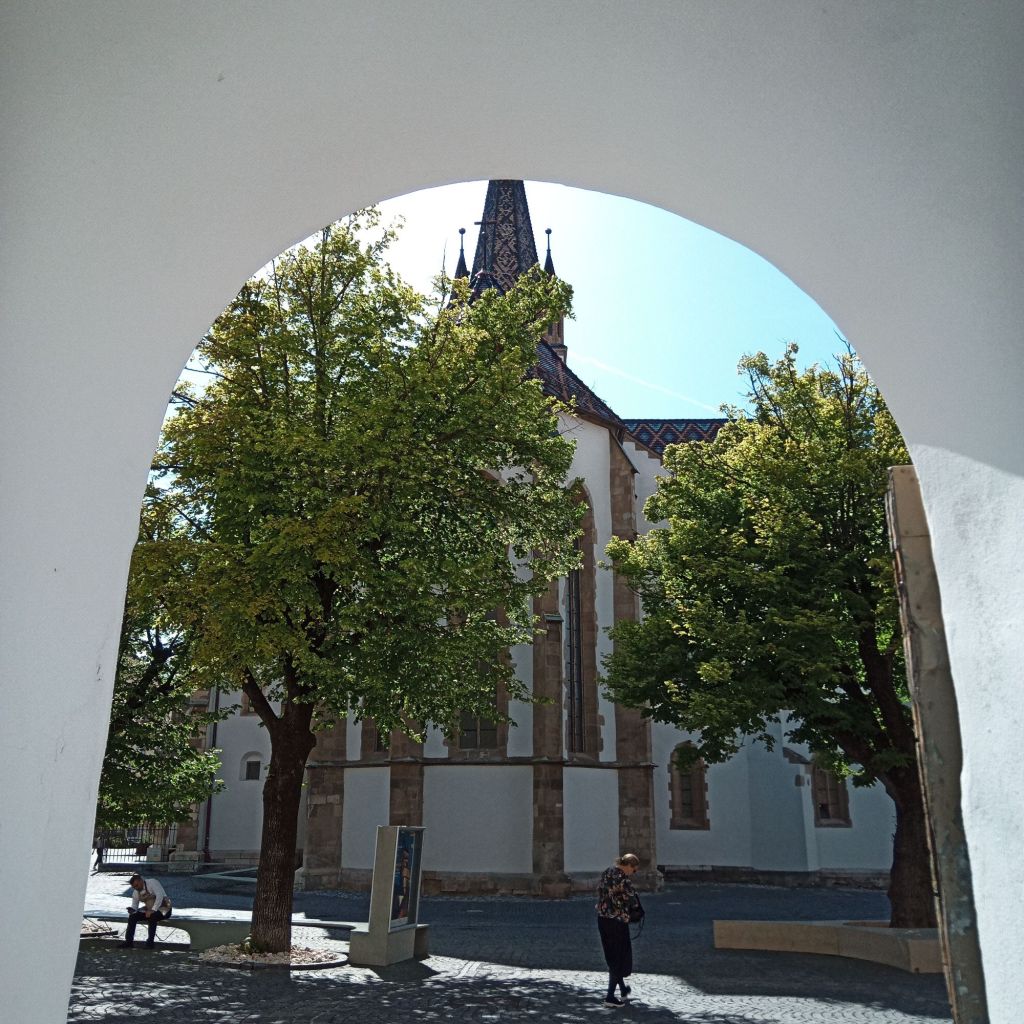
Piata Mica (Small Square) and Piata Huet (Huet Square) are linked by the shortcut of a passageway. In the photo below you can admire the Lutheran Cathedral seen from that passageway:

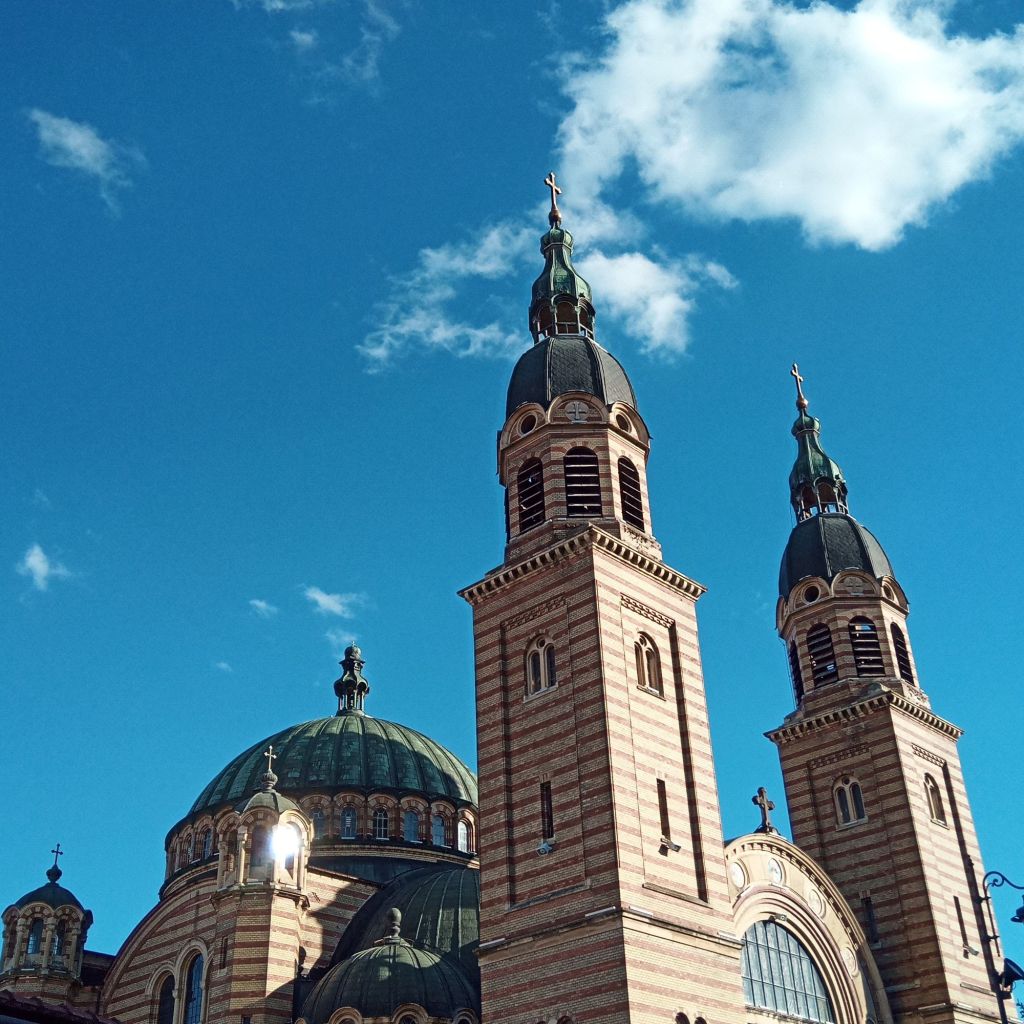
But let’s go back to the Mitropoliei Street, the headquarter of the Romanian Orthodox Metropolitan Seat of Transylvania. Its cathedral church was built in 1906 and was intended to be a smaller copy of the Byzantine Imperial Cathedral of Hagia Sophia, in Constantinople. And this, in compensation of the fact that, in order to build the nowadays cathedral, the Romanian Orthodox community had to demolish an older smaller Greek Orthodox church. In return, the two Orthodox communites got a copy of the Hagia Sophia Cathedral from Istanbul, the eternal nostalgia of the Greeks…

Once upon a travel

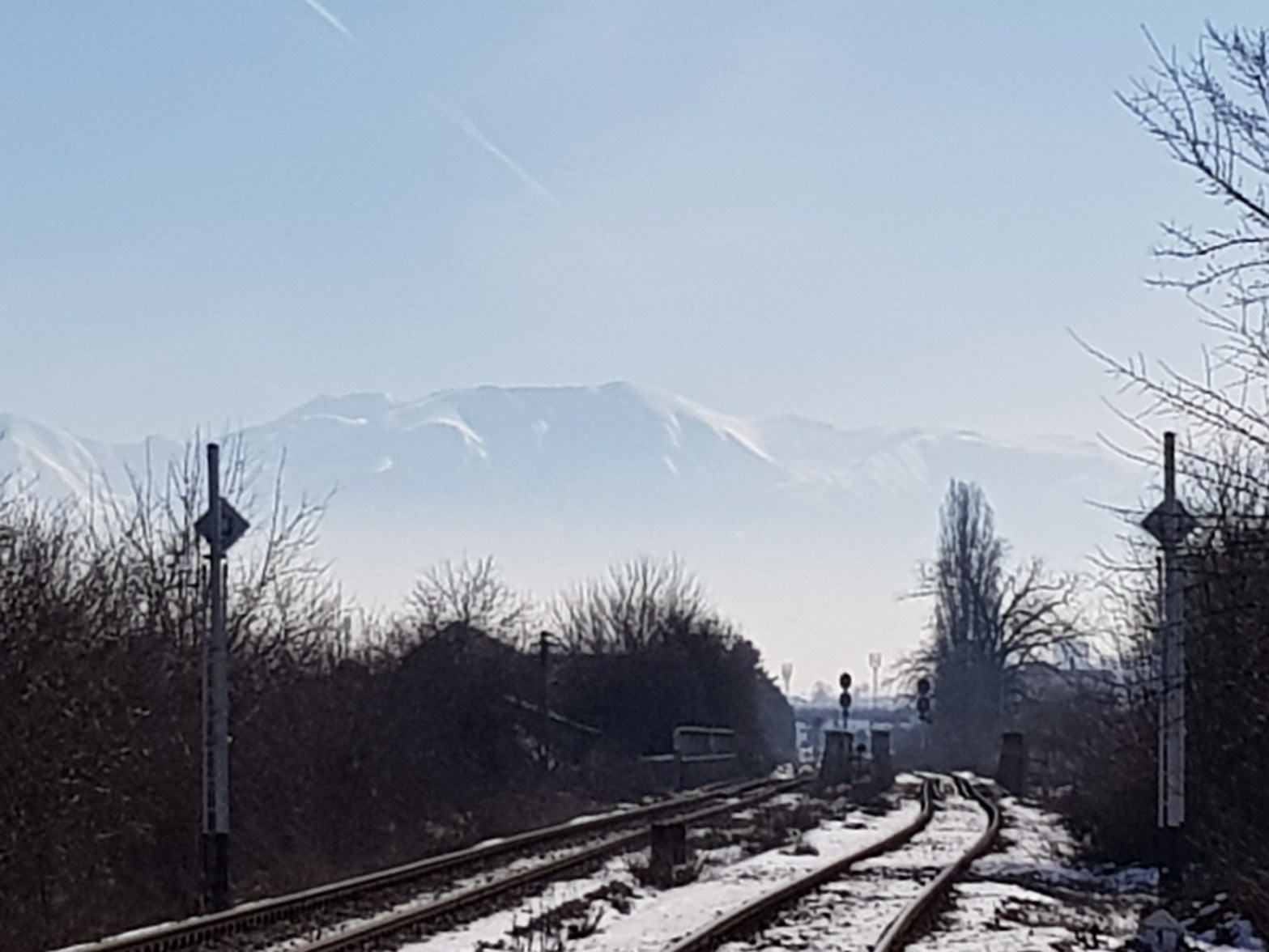
Let’s start this blog with an invitation to a journey in Transylvania, the heart of Romania. You have to take your time, because in this region the lack of speed is characteristic for all things, from people who peacefully ride their bikes to trains who take 3 – 4 hours in order to arrive from one big city to another. Meanwhile, you have plenty of time to admire the landscape, which is composed mainly of hills and mountains, covered by ancient woods. Because ‘Transylvania’ in latin means ‘the country beyond the woods’ (forests). It’s still winter time this part of the year, so feel free to enjoy the snow and gaze at the white colour of the Carpathian Mountains, while drinking some hot ‘palinka’ in order to warm up your soul!