Do you think we’re shaped more by our experiences or by who we are?
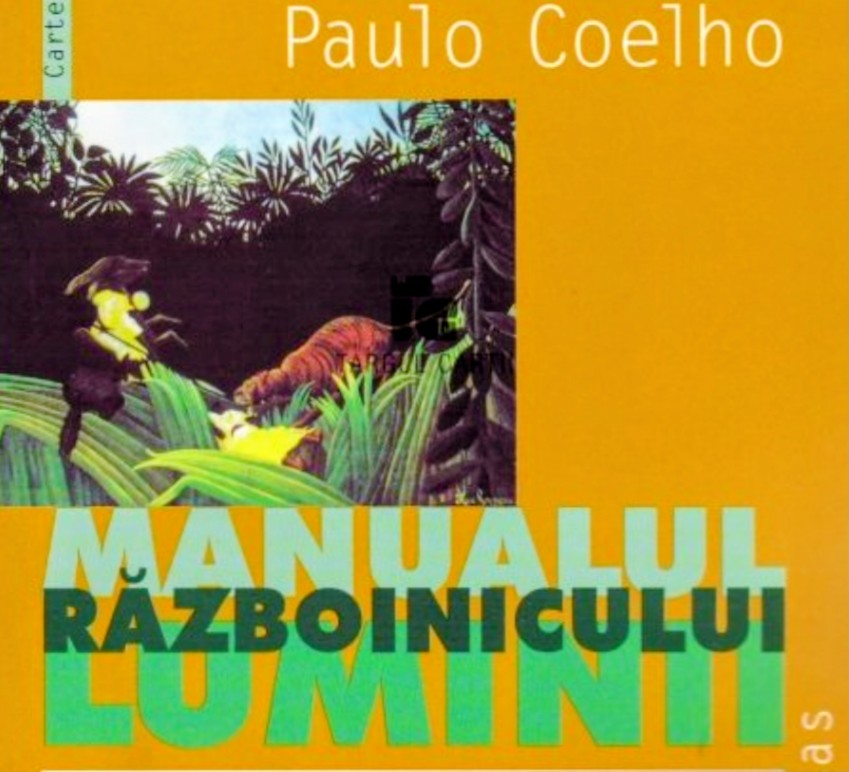
Without trying to pretend to be the diplomatic rabbi who told his quarreling parishioners that everyone was right, I believe that both the experiences we go through and our character define who we are. During our formative years, the experiences we go through—whether we seek them out or not—leave their mark on our behavior. A child whose family members clip his wings by telling him he’s good for nothing will most likely grow up to be a shy and withdrawn person. Thus, a negative experience to which they were subjected for a long time has shaped their personality. When a person starts their own family, they often carry with them into this new context both the joys and the traumas of their childhood. But this new context offers new kinds of experiences that, over time, can either deepen or heal the traumas of childhood. Finally, when a person reaches emotional maturity, they are able to define themselves by who they are, not by the sum of their past experiences. That is why we encounter, on the one hand, people who navigate unpleasant experiences (imprisonment, illness, stress, loneliness) with serenity, and, on the other hand, people who navigate positive experiences with sadness. They have already grown enough that experiences can no longer shape them; instead, they come to leave their own personal mark on those experiences. It’s up to us whether we choose to rise above the waves of life’s events or let ourselves be drowned by them. As Paulo Coelho says in The Manual of the Warrior of Light: a person doesn’t drown because they fell into the water, but because they choose to stay underwater.
RO
Fără să încerc să mă prefac în rabinul diplomat care le spunea enoriașilor certați că fiecare are dreptate, consider că atât experiențele prin care trecem, cât și caracterul nostru, ne dau măsura a ceea ce suntem. În perioada de creștere și învățare, experiențele prin care trecem și la care suntem supuși cu sau fără voia noastră își pun amprenta asupra comportamentului nostru. Un copil căruia membrii familiei îi retează aripile spunându-i că nu e bun de nimic va deveni, cel mai probabil, un om timid și retras. Deci, o experiență negativă la care a fost supus timp îndelungat i-a modelat felul de a fi. Când omul își întemeiază propria familie, de cele mai multe ori cară după sine în noul context atât bucuriile, cât și traumele din copilărie. Dar noul context îi oferă noi tipuri de experiențe care, cu timpul, pot fie să adâncească, fie să vindece traumele copilăriei. În fine, când omul ajunge la vârsta maturității emoționale, reușește să se definească drept ceea ce este el, nu drept suma experiențelor prin care a trecut. De aceea putem întâlni, pe de o parte, oameni care trec cu seninătate prin experiențe neplăcute (detenție, boală, stress, singurătate), iar, pe de alta, oameni care trec cu tristețe prin experiențe pozitive. Deja au crescut suficient de mult încât experiențele să nu-i mai poată modela, ci să ajungă ei să își pună amprenta personală asupra experiențelor. Depinde de noi dacă alegem să fim deasupra valurilor întâmplărilor vieții sau să ne lăsăm înecați de acestea. Vorba lui Paulo Coelho în Manualul războinicului luminii: un om nu se îneacă pentru că a căzut în apă, ci pentru că alege să rămână sub apă.

